
In the bustling world of construction, the significance of a well-designed office cannot be overstated. A construction site office serves as the operational heart of any project, providing a space for planning, communication, and coordination among teams. When it comes to ensuring efficiency and productivity on-site, understanding the essentials of temporary site office construction is crucial.
A thoughtfully designed construction site office can significantly enhance workflow and productivity. It acts as a hub where project managers can strategize, workers can communicate effectively, and resources can be managed efficiently. Moreover, a comfortable workspace promotes employee morale and fosters collaboration among team members.
When considering the design of a construction site office, several key features come into play. Essential elements include adequate space for meetings, storage for tools and documents, and access to technology such as computers and internet connectivity. Additionally, incorporating areas for breaks or relaxation is vital in maintaining worker well-being during long hours on-site.
Navigating local regulations is an essential step in setting up your construction site office. Compliance with zoning laws ensures that your temporary site office meets all legal requirements while avoiding costly fines or project delays. Furthermore, understanding specific building codes related to temporary structures will help streamline your temporary site office construction process.
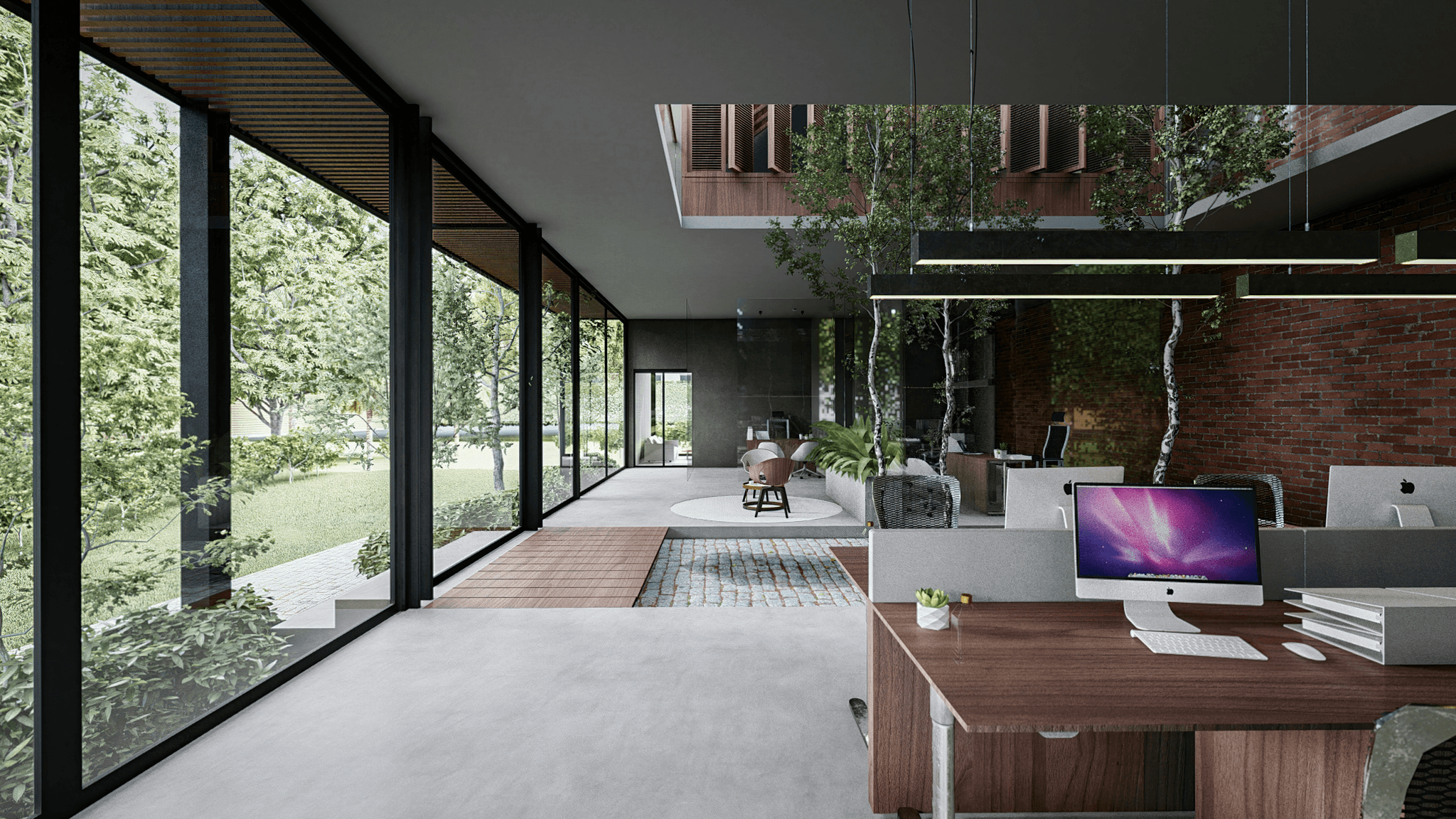
Creating a functional and efficient construction site office is pivotal for the success of any project. A well-equipped office not only enhances productivity but also fosters a positive work environment. This section will delve into the must-have tools and equipment, design principles for comfort and functionality, and space optimization strategies to ensure your construction site office meets all requirements.
When setting up a construction site office, it’s essential to equip it with the right tools and equipment. Key items include computers with project management software, printers for blueprints, communication devices like walkie-talkies, and safety gear such as helmets and first aid kits. Additionally, having a reliable internet connection is crucial for keeping in touch with suppliers and clients—after all, no one wants to be stuck waiting for a fax in 2023!
Don’t forget about storage solutions; filing cabinets or mobile storage units can help keep important documents organized. You might also want portable whiteboards or flip charts for brainstorming sessions or quick updates during team meetings. Having these essentials at hand ensures that your temporary site office construction runs smoothly from day one.
Designing your construction site office should prioritize both functionality and comfort to maximize worker productivity. Ergonomic furniture is key—consider adjustable chairs that support good posture during long hours of planning or reviewing contracts. Natural lighting can also play a significant role in creating an inviting atmosphere; large windows or skylights can reduce fatigue while improving morale.
Incorporating break areas within the design allows workers to recharge without leaving the premises completely. A small kitchenette can provide coffee breaks that boost energy levels throughout the day while fostering team bonding over shared meals or snacks. Balancing comfort with practicality will make your construction site office not just functional but also enjoyable.
Space optimization is crucial when designing a temporary site office, especially if you're working within limited square footage on-site. Start by creating an open layout that encourages collaboration among team members while ensuring each area serves its intended purpose effectively—think designated zones for meetings, paperwork processing, and relaxation breaks!
Utilizing multi-functional furniture can save space without sacrificing comfort; foldable tables or stackable chairs are great options if you need flexibility in your setup as projects evolve over time. Vertical storage solutions like shelving units can help free up floor space while keeping everything organized—a must-have when dealing with numerous documents related to construction site office requirements.

When it comes to managing a construction project, having a well-equipped temporary site office can be a game-changer. These structures not only provide essential workspace but also enhance communication and coordination among teams. Moreover, they can be tailored to meet specific project needs, making them an ideal choice for any construction site.
Temporary site offices offer flexibility that traditional offices simply can't match. They can be quickly erected and dismantled as project timelines dictate, allowing for seamless transitions between different phases of construction. Additionally, these structures are often more cost-effective than permanent facilities, enabling budget-conscious projects to allocate funds more efficiently while still meeting construction site office requirements.
Furthermore, temporary structures can be customized to fit the unique demands of a construction site office design. Whether you need space for meetings, storage for equipment, or areas for rest and recuperation, these versatile solutions can adapt accordingly. This adaptability not only enhances functionality but also boosts worker morale by creating comfortable environments where teams can thrive.
Selecting the right provider for your temporary site office and camp is crucial to ensure you receive quality service and products that meet your needs. Begin by researching local options—searching construction site office near me will yield providers who understand regional regulations and logistics. Look for companies with a solid reputation in temporary site office construction; customer reviews and testimonials are invaluable resources.
Additionally, consider the range of services offered by potential providers; some may offer complete packages that include setup and maintenance while others might only supply the structure itself. It's important to choose a provider who aligns with your project's scale and complexity—after all, you want your temporary site office to function seamlessly from day one! Lastly, don’t hesitate to ask about their experience with similar projects; this insight could save you time and money in the long run.
When setting up your temporary site office or camp solutions, several key considerations should guide your planning process. First off is location—ensure that your chosen spot is easily accessible yet safe from potential hazards associated with ongoing construction activities. Proximity to power sources and water supplies is crucial too; after all, no one wants to deal with logistical headaches when they could focus on building!
Next up is compliance with local zoning regulations—failure to adhere could lead to costly delays or fines down the line! Familiarize yourself with necessary permits related specifically to temporary structures as part of fulfilling overall construction site office requirements in your area. Finally, think about how you'll furnish the space: incorporating ergonomic furniture will not only enhance comfort but also promote productivity among workers during long hours on-site.

Designing a construction site office requires a careful balance of functionality, safety, and aesthetics. These principles ensure that the workspace not only meets the needs of the workers but also enhances productivity and morale. By focusing on these design elements, you can create an efficient and pleasant environment for your team.
Safety should always be a top priority in any construction site office design. This includes ensuring that all materials used are fire-retardant and that there are clear evacuation routes marked throughout the office space. Additionally, incorporating features such as non-slip flooring, ergonomic furniture, and adequate lighting can significantly reduce workplace accidents in your temporary site office and camp.
Moreover, it's essential to provide safety equipment storage areas within the construction site office to keep tools organized and accessible while minimizing hazards. Regular safety training sessions should be integrated into the workspace routine to promote awareness among workers about potential risks on-site. When considering construction site office requirements, remember that a safe environment is not just compliant; it fosters trust and productivity.
While functionality is critical in a construction site office, aesthetics shouldn't be overlooked either! A well-designed space can boost employee morale and create a positive atmosphere conducive to collaboration and creativity. Using color schemes that reflect energy—like yellows or greens—can invigorate the workspace while also making it visually appealing.
Incorporating natural light through windows or skylights can enhance mood and reduce fatigue during long hours on-site. Additionally, consider adding plants or artwork to personalize the space; these small touches can transform a basic temporary site office construction into an inviting hub for teamwork. Remember: an aesthetically pleasing environment is not just about looks; it's about creating a space where people feel comfortable working long hours.
Sustainability is becoming an increasingly important aspect of modern construction site office design. Utilizing eco-friendly materials not only helps reduce environmental impact but also aligns with many companies' corporate social responsibility goals. Consider options like recycled materials for furnishings or energy-efficient appliances for your temporary site office and camp setup.
Implementing waste reduction strategies—such as recycling bins throughout the construction site office—can also encourage responsible practices among workers while maintaining compliance with local regulations regarding waste management. Moreover, designing spaces with proper insulation will reduce energy consumption over time, making your operations more cost-effective in the long run. Embracing sustainable design practices will not only enhance your company's image but may also lead to future savings on operational costs.
 Container Houses vs Traditional Construction: 7 Reasons Modular Buildings Are Reshaping the Industry in 2026
 9States Welcomes Paraguayan and Brazilian Delegation: A New Chapter for Modular Buildings in South America
 Container Houses vs Traditional Construction: 2026 Cost, Time and Sustainability Comparison
 Modular Construction Market Trends to Watch in Summer 2026
