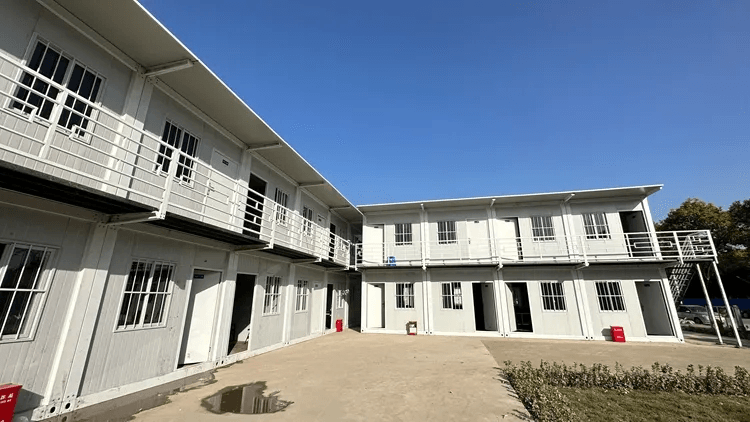
In the ever-evolving landscape of worker accommodation, container dormitories have emerged as a revolutionary solution for construction projects. These innovative structures offer numerous benefits, including cost-effectiveness and rapid deployment, making them an ideal choice for companies looking to house their workforce efficiently. With the right construction dorm building plans, businesses can create comfortable living spaces that enhance productivity and morale.
Container dormitories are not just a trend; they represent a practical approach to housing workers in remote locations or on large construction sites. The primary benefits include their affordability compared to traditional housing options, reduced construction time, and environmental sustainability through recycling shipping containers. Additionally, the modular nature of these dorms allows for flexible design options that can adapt to various site requirements and worker needs.
Construction dorm buildings serve a crucial role in providing temporary or semi-permanent accommodation for laborers engaged in demanding projects. These structures are designed with durability and functionality in mind, ensuring that workers have access to essential amenities while remaining comfortable during their stay. From basic sleeping quarters to more elaborate setups featuring communal areas and kitchens, there is a wide range of possibilities when it comes to construction dorm building layouts.
Efficient worker housing is paramount for ensuring the well-being and productivity of employees on any construction site. Properly planned accommodations can significantly reduce turnover rates and improve job satisfaction by providing a safe and comfortable living environment. By investing in thoughtful construction dorm building designs and considering factors such as location, layout, and cost—similar to what is seen in the New Residence Hall University of Oregon floor plan—companies can enhance their project outcomes while fostering a positive work culture.

When it comes to housing workers on construction sites, the choice of accommodation can significantly impact productivity and morale. Construction dorm buildings serve as temporary residences, providing essential shelter and amenities for employees. Understanding the various aspects of these structures is crucial for making informed decisions about construction dorm building plans.
Construction dorm buildings are specially designed facilities that offer lodging for workers involved in construction projects. Their primary purpose is to provide a comfortable and secure living environment close to job sites, minimizing travel time and enhancing efficiency. By housing workers on-site or nearby, these structures help foster a sense of community while ensuring that laborers are well-rested and ready to tackle their daily tasks.
There are several types of construction dorm buildings, each catering to different needs and budgets. Traditional wooden structures can be found alongside modern modular designs, which often utilize shipping containers as a base material. The variety allows project managers to choose options that best fit their construction dorm building cost constraints while addressing the specific requirements of their workforce.
Container-based dormitories have gained popularity in recent years due to their unique advantages over traditional housing options. They are not only cost-effective but also quick to assemble, making them ideal for short-term projects requiring swift deployment of worker accommodations. Moreover, container designs can be easily modified or expanded based on changing needs, allowing for flexible construction dorm building layouts that optimize space utilization.
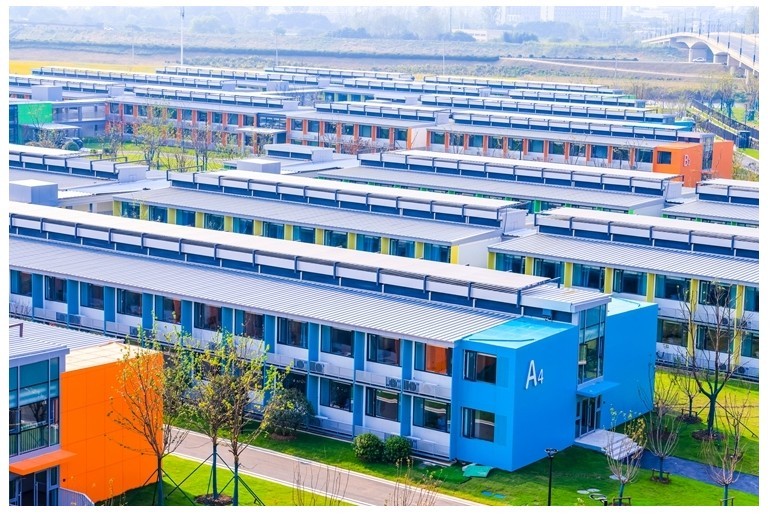
Planning a construction dorm building is no small feat; it requires a blend of creativity, practicality, and foresight. Whether you’re catering to a bustling construction crew or looking to provide temporary housing for university students, the design must be functional and welcoming. With container dormitories gaining popularity, understanding how to effectively plan these spaces can lead to successful projects that meet both budgetary constraints and comfort needs.
When diving into the planning phase of your construction dorm building, several key considerations come into play. First off, location is paramount; proximity to the job site or campus can significantly affect worker satisfaction and productivity. Additionally, consider local regulations and zoning laws—compliance will save you from headaches down the road.
Another crucial aspect is understanding your target demographic; different groups have varying needs in terms of amenities and space. For instance, if you're developing plans for a new residence hall at the University of Oregon, think about what features would appeal most to students—study areas, communal spaces, or even recreational facilities could enhance their living experience. Finally, don’t forget about sustainability; integrating eco-friendly practices can reduce long-term costs while appealing to environmentally conscious users.
Creating effective construction dorm building plans involves more than just sketching out rooms on paper—it’s about envisioning how each space will function together harmoniously. Start by determining the number of occupants and then work backward from there: how many bedrooms do you need? What shared spaces are essential?
A well-thought-out plan should also include flexibility for future changes; as workforce sizes fluctuate or student populations shift, adaptable layouts can save time and money in renovations later on. Utilizing modular designs allows for easy expansion or reconfiguration without significant structural changes—a perfect fit for dynamic environments like construction sites or universities.
Moreover, incorporating modern technology into your plans can streamline operations—think smart locks for security or energy-efficient systems that minimize utility costs over time. When considering construction dorm building cost versus traditional housing options, these innovative features often prove invaluable in enhancing overall value.
Efficient space layout is at the heart of any successful construction dorm building project—it's where form meets function! A well-designed layout maximizes available square footage while ensuring that residents feel comfortable and connected with their surroundings. For instance, consider open-plan living areas that promote interaction among roommates while still providing private sleeping quarters.
Moreover, an efficient layout enables smooth traffic flow throughout the facility; this is especially important in high-occupancy buildings where movement can become congested during peak hours like meal times or shift changes on a job site. By strategically placing common areas such as kitchens and lounges near entrances or exits, you create an inviting atmosphere that encourages socialization without sacrificing convenience.
Lastly, don't underestimate the power of aesthetics! Thoughtfully designed spaces not only enhance functionality but also contribute positively to residents' mental well-being—a critical factor when planning any new residence hall at institutions like the University of Oregon. Balancing comfort with efficiency ensures your construction dorm building stands out as a desirable place to live.

When diving into the world of construction dorm buildings, understanding the costs involved is crucial for effective planning and budgeting. The costs can vary significantly based on several factors, ranging from materials to location. Knowing these variables can help you make informed decisions that align with your financial goals while creating a comfortable living space for workers.
Several key factors influence the overall construction dorm building cost. First, the choice of materials plays a significant role; opting for high-quality or specialized materials can increase expenses but may enhance durability and comfort in the long run. Additionally, site location affects costs due to land prices, accessibility, and local labor rates, which can fluctuate widely depending on where your project is based.
Another critical consideration is the design complexity of your construction dorm building plans. A simple layout will typically be more cost-effective than a complex one requiring custom features or extensive modifications to standard container designs. Lastly, compliance with local regulations and permits may introduce additional expenses that should be factored into your budget early in the planning process.
When comparing construction dorm building costs to traditional housing solutions, container-based options often emerge as a more budget-friendly alternative. Traditional housing typically involves higher labor costs and longer build times due to brick-and-mortar construction methods, whereas container dormitories can be assembled relatively quickly at a fraction of the expense. This efficiency not only saves money but also minimizes downtime for workers who need immediate accommodation.
Furthermore, container dorms offer flexibility in design without sacrificing quality or comfort—features that are sometimes lacking in traditional setups due to their rigid structures and layouts. For example, if we look at floor plans like those for new residence halls at universities such as the University of Oregon, we see how container designs can provide similar amenities while being far more economical over time. In short, when considering both initial investment and long-term value, container dorm buildings often come out ahead.
Budgeting effectively for your construction dorm building requires careful planning and consideration of all associated costs from inception to completion. Begin by outlining your core objectives: how many workers need accommodation? What amenities are essential? Once you have established these parameters within your construction dorm building plans, you can better estimate material and labor needs.
Next up is calculating ongoing operational costs such as utilities and maintenance specific to container units versus traditional housing options—this will give you a clearer picture of total ownership expenses over time. Don’t forget to include contingency funds; unexpected issues often arise during any construction project! By taking these steps into account when budgeting for container dorms, you'll ensure that you're not only prepared financially but also set up for success in providing efficient worker housing solutions.
 Container Houses vs Traditional Construction: 7 Reasons Modular Buildings Are Reshaping the Industry in 2026
 9States Welcomes Paraguayan and Brazilian Delegation: A New Chapter for Modular Buildings in South America
 Container Houses vs Traditional Construction: 2026 Cost, Time and Sustainability Comparison
 Modular Construction Market Trends to Watch in Summer 2026
