
In the ever-evolving landscape of construction, fire resistance has become a crucial topic that every builder and homeowner should understand. The rise of shipping container homes has brought with it a unique set of challenges and opportunities regarding fire safety. As more people explore the benefits of container dwellings, evaluating their fire safety features becomes essential to ensure that these innovative structures are not just stylish but also secure.
Fire resistance in construction refers to the ability of materials and structures to withstand fire or slow its spread. This is particularly important for any dwelling, including a fire resistant storage container house, where safety is paramount. Understanding how different materials react under extreme conditions can help homeowners make informed choices about their living spaces.
Shipping container homes have surged in popularity due to their affordability, sustainability, and versatility. These unique structures can be customized into stylish residences while providing many advantages over traditional homes. However, as the trend grows, so does the need for awareness about potential risks and how to mitigate them through effective design and appropriate container materials.
When considering a container home, it's vital to evaluate its fire safety features thoroughly. This includes looking at insulation types, structural integrity, and the overall design that impacts fire resistance. By focusing on these elements, homeowners can ensure they choose a safe environment for themselves and their families while enjoying all the benefits that come with living in a shipping container home.

The materials used in constructing these container dwellings play a pivotal role in enhancing their fire resistance. Understanding the nuances of what makes a fire resistant storage container house truly fireproof can help potential homeowners make informed decisions.
The foundation of any fire resistant storage container house lies in its materials. Shipping containers are typically made from corten steel, which is not only durable but also offers a degree of resistance to heat and flames. However, to elevate the fire safety standards further, many builders incorporate additional elements like non-combustible insulation materials and specialized coatings that enhance the overall resilience of these structures against high temperatures.
In addition to steel, other materials such as gypsum board and mineral wool insulation can be integrated into the design of container homes. These components are essential for creating barriers that slow down heat transfer and prevent flames from spreading rapidly within the dwelling. When selecting container materials for your shipping container home, it's crucial to prioritize those that meet or exceed industry standards for fire safety.
Local jurisdictions often have specific requirements that dictate how construction should proceed regarding fire resistance, particularly for residential structures like container dwellings. Compliance with these codes not only ensures safety but also helps protect homeowners from potential liabilities in case of accidents.
Many areas require that builders use approved materials and follow established guidelines designed to mitigate risks associated with fires. This includes adhering to regulations concerning spacing between structures, access routes for emergency services, and even landscaping considerations that could impact fire spread. Understanding these regulations will help you create a secure environment while maximizing your investment in a safe living space.
Despite their growing popularity, there are several misconceptions surrounding the fireproofing capabilities of shipping container homes that deserve clarification. One common myth is that all shipping containers are inherently fireproof simply due to their metal composition; however, this isn't entirely accurate as various factors influence their actual performance during a blaze. For instance, while corten steel has excellent properties against heat exposure, without proper insulation and design features, it may still succumb to intense flames.
Another misconception revolves around the idea that once you implement certain features—like using a cabinet for safe storage or installing a fireproof cabinet—you’ve achieved complete protection against fires within your home environment. While these additions enhance safety measures significantly, they cannot replace comprehensive planning regarding material selection and structural integrity throughout the entire building process of your container home.
Lastly, many believe that investing in a single feature guarantees total protection; however, true safety lies in an integrated approach combining quality construction techniques with appropriate materials tailored specifically for each unique situation faced by owners of shipping containers or other types of dwellings alike.
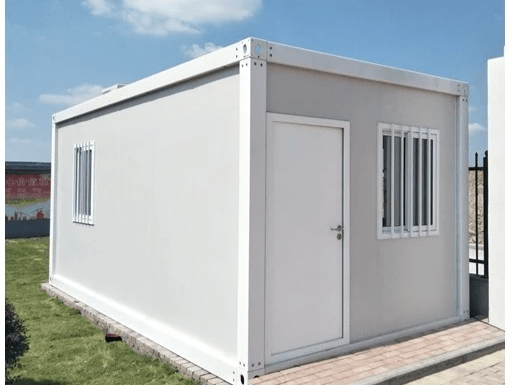
A well-thought-out design can mitigate risks associated with fire hazards, ensuring that container dwellings are not only stylish but also safe. By integrating advanced materials and construction practices, builders can enhance the overall fire resistance of these unique homes.
Quality insulation materials are crucial for any fire resistant storage container house to maintain temperature control and prevent heat transfer during a fire. Insulation acts as a barrier, reducing the chances of flames spreading inside the container home. Investing in high-grade insulation not only improves energy efficiency but also adds an extra layer of protection against potential fire threats.
In many cases, standard insulation simply won’t cut it for shipping container homes; specialized options like rock wool or other non-combustible materials are essential. These materials help ensure that your container dwelling remains safe from both external fires and internal heat buildup. Choosing the right insulation can be the difference between a cozy haven and a disaster waiting to happen.
The structural integrity of a shipping container home significantly affects its ability to withstand fires. Container materials themselves are inherently strong, but how they’re assembled matters just as much as what they’re made from. Proper welding techniques and reinforced joints contribute to a more durable structure that resists deformation under extreme heat conditions.
Additionally, maintaining structural integrity means ensuring that all components work harmoniously together; this includes doors, windows, and any added features like cabinets for safe storage of flammable items. If these elements aren’t designed with fire resistance in mind, they could become points of failure during an emergency situation. Therefore, it's vital for builders to prioritize both strength and safety in their designs.
9States is at the forefront when it comes to enhancing safety features in shipping container homes through innovative design practices. Their commitment to using advanced fireproof cabinet solutions ensures that all valuable belongings are securely stored away from potential hazards while maintaining easy access when needed. This thoughtful approach allows homeowners peace of mind knowing their possessions are safeguarded within their fire resistant storage container house.
Moreover, 9States emphasizes using non-flammable materials throughout their designs—ensuring every aspect contributes towards maximizing safety without compromising on aesthetics or functionality. From selecting premium steel for frames to incorporating state-of-the-art insulation techniques, each element is meticulously considered for optimal performance against fires. With 9States leading the way in smart design choices, you can feel confident about your investment in a secure and stylish container home.
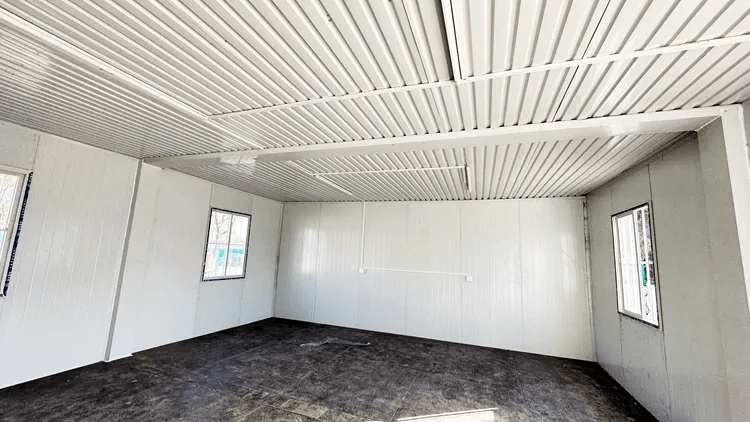
A-Class non-flammable materials are the gold standard when it comes to building a fire resistant storage container house. These materials have been tested and classified based on their ability to resist ignition and limit flame spread, making them ideal for container homes. Using these materials in your construction not only meets building codes but also elevates the safety profile of your entire dwelling.
Incorporating A-Class non-flammable materials can include using specialized coatings or treatments that enhance the fire resistance of traditional container materials. This ensures that your shipping container home stands up against potential fires while maintaining structural integrity. It's crucial to understand that not all materials are created equal; opting for those rated as A-Class is a smart investment in long-term safety.
Rock wool wall panels have emerged as a game changer in the realm of insulation and fire resistance for container dwellings. Made from natural rock fibers, these panels offer exceptional thermal insulation while boasting impressive fire-resistant properties. When used in a fire resistant storage container house, they help contain heat and prevent flames from spreading quickly through walls.
The unique structure of rock wool allows it to withstand high temperatures without melting or releasing harmful gases, making it an ideal choice for eco-conscious builders looking for sustainable options. Additionally, rock wool acts as an effective sound barrier, enhancing comfort within your shipping container home while ensuring safety against potential fires. With this dual functionality, rock wool truly sets itself apart as a must-have feature in any well-designed container home.
When considering fire safety features for your shipping container home, don't overlook the importance of installing fire-proof steel doors. These doors serve as robust barriers against flames and smoke infiltration during a fire incident, providing critical time for occupants to escape safely or for firefighters to respond effectively. In essence, they act like a cabinet for safe keeping—protecting what matters most inside your dwelling.
 Container Houses vs Traditional Construction: 7 Reasons Modular Buildings Are Reshaping the Industry in 2026
 9States Welcomes Paraguayan and Brazilian Delegation: A New Chapter for Modular Buildings in South America
 Container Houses vs Traditional Construction: 2026 Cost, Time and Sustainability Comparison
 Modular Construction Market Trends to Watch in Summer 2026
