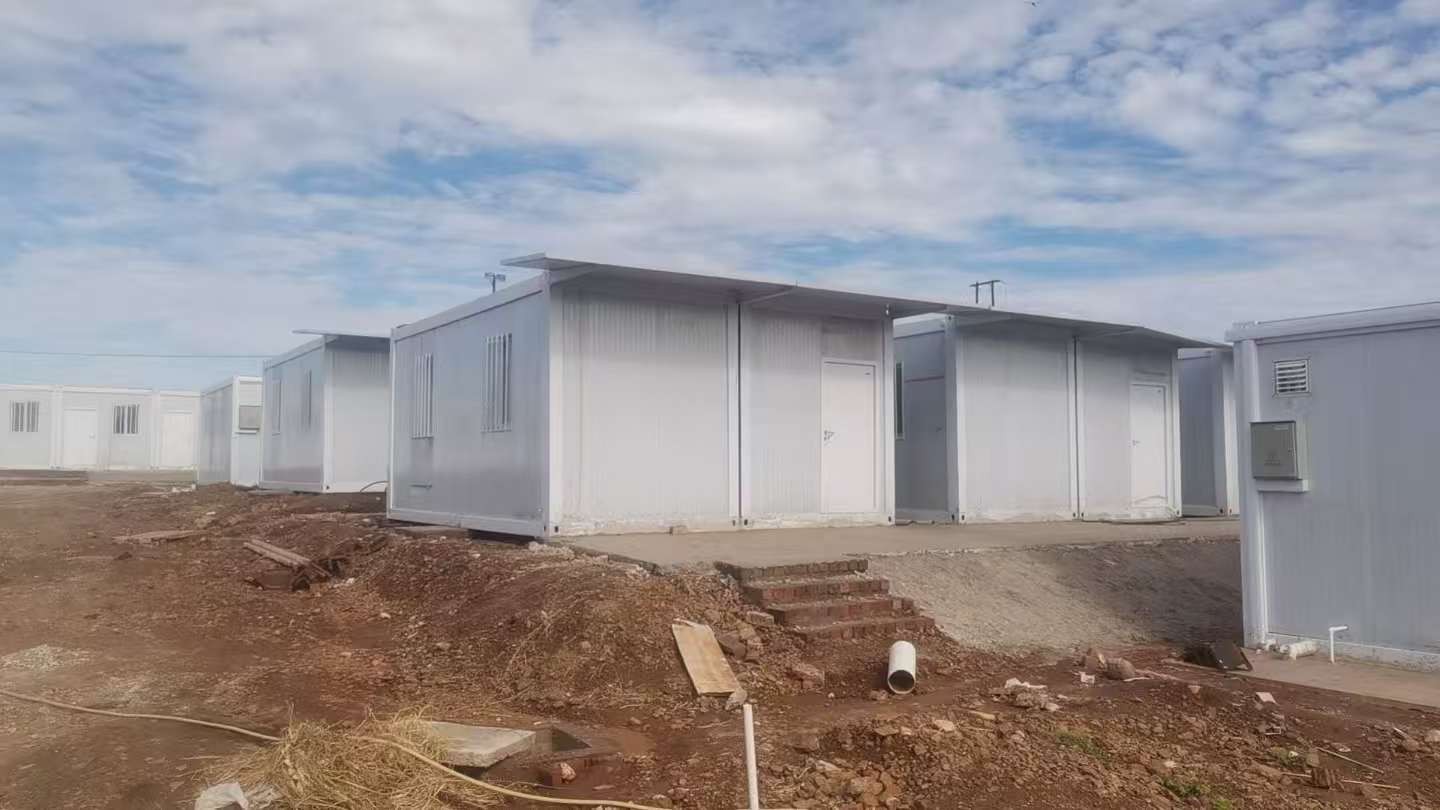
In recent years, the concept of modular temporary housing has gained significant traction, offering innovative solutions for various living situations. But what does modular mean in housing? Essentially, it refers to a construction method where buildings are prefabricated in sections or modules off-site and then assembled on location. This approach not only expedites the construction process but also allows for flexibility and customization that traditional building methods often lack.
Modular temporary housing is designed to provide quick and efficient shelter solutions during times of need, whether for disaster relief or temporary work sites. There are generally three types of modular buildings: permanent modular buildings, relocatable modular buildings, and hybrid models that combine elements of both. These structures can be tailored to meet specific requirements, making them an appealing option for those seeking alternatives to conventional housing.
One standout feature of demountable buildings is their ability to be easily disassembled and relocated, which is particularly beneficial in dynamic environments like construction sites or emergency response areas. The modular temporary housing price often reflects the cost-effectiveness associated with reduced labor time and material waste compared to traditional construction methods. Additionally, these structures can be designed with sustainability in mind, leveraging eco-friendly materials that enhance their overall appeal.
Several key players have emerged in the modular temporary housing industry, each contributing unique designs and services that cater to diverse needs. Companies specializing in this area offer a range of options from basic plans to fully customized solutions tailored for specific applications such as urban development or remote work sites. As awareness grows regarding the benefits of modular designs, more businesses are entering the market, driving innovation and competition within this evolving sector.

The concept of modular temporary housing has gained traction in recent years, transforming how we approach living spaces. But what does modular mean in housing? Essentially, it refers to structures built off-site in sections or modules, which are then transported and assembled on location. This method not only speeds up construction but also offers flexibility and adaptability to meet various needs.
Modular housing isn’t a new phenomenon; its roots can be traced back to the early 20th century when mass production began to influence construction methods. During World War II, the need for quick and efficient housing led to an increase in prefabricated homes, setting the stage for what we now recognize as modular temporary housing. Fast forward to today, this innovative approach has evolved into a diverse market offering solutions ranging from disaster relief shelters to stylish urban apartments.
Today’s modular designs are more than just functional; they embrace aesthetics and sustainability as well. The three types of modular buildings include permanent modular buildings (PMBs), relocatable buildings (RBs), and hybrid models that combine both elements. Current trends showcase eco-friendly materials, smart home technologies, and customizable floor plans that cater to modern lifestyles—all while keeping an eye on the modular temporary housing price point.
Several successful projects have highlighted the versatility of modular temporary housing across various sectors. For instance, after natural disasters like hurricanes or earthquakes, organizations have deployed these structures swiftly as emergency shelters—proving invaluable in disaster relief scenarios. Additionally, urban development initiatives have utilized modular designs to create affordable living spaces that blend seamlessly into city landscapes while maintaining cost-effectiveness through thoughtful modular temporary housing plans.

Demountable structures represent a modern approach to building design, particularly in the realm of modular temporary housing. These innovative constructions can be assembled and disassembled with ease, making them ideal for various applications, from disaster relief to remote work sites. But what does modular mean in housing? Essentially, it refers to buildings that are prefabricated in sections or modules off-site before being transported and assembled at the final location.
Demountable structures are designed to be flexible and adaptable, serving multiple purposes over their lifespan. They can be quickly erected or dismantled, allowing for efficient use of space and resources. This functionality is especially beneficial in scenarios requiring temporary housing solutions; whether it’s for emergency situations or short-term projects, these structures can meet urgent needs without compromising on quality.
The materials used in demountable buildings play a crucial role in their effectiveness as modular temporary housing solutions. Commonly utilized materials include steel frames, insulated panels, and lightweight composites that ensure durability while remaining easy to transport. Additionally, many manufacturers are now focusing on sustainable options such as recycled materials and eco-friendly finishes to enhance the appeal of modular temporary housing plans.
When comparing demountable structures with traditional construction methods, several key differences emerge that highlight the advantages of modular designs. For starters, traditional construction often involves longer timelines due to on-site building processes; however, modular temporary housing can significantly reduce build time thanks to pre-fabrication techniques. Moreover, while conventional buildings may come with high upfront costs associated with labor and materials, the price of modular temporary housing is generally more budget-friendly—especially when considering long-term savings from energy efficiency and lower maintenance requirements.

Sustainability is becoming increasingly crucial in the construction industry, and modular temporary housing is no exception. These innovative structures are designed to minimize environmental impact while maximizing efficiency and functionality. By focusing on eco-friendly materials and practices, energy efficiency, and sustainable solutions, the modular housing sector is paving the way for a greener future.
When we ask, What does 'modular' mean in housing?, it signifies not just a method of construction but also a commitment to sustainability. Modular buildings often utilize eco-friendly materials such as recycled steel, reclaimed wood, and low-VOC paints that contribute to healthier living environments. Additionally, manufacturers are increasingly adopting sustainable practices like waste reduction during production and using renewable energy sources to power their factories.
The three types of modular buildings—permanent, temporary, and relocatable—can all incorporate these eco-conscious materials. For instance, modular temporary housing can be designed with insulation made from recycled content or flooring sourced from sustainably harvested forests. This approach not only reduces the carbon footprint but also aligns with the growing demand for environmentally responsible building solutions.
Energy efficiency is another hallmark of modern modular temporary housing designs. These structures often feature advanced insulation techniques that help maintain comfortable indoor temperatures while reducing heating and cooling costs. With energy-efficient windows and smart technology integration, these homes can significantly lower energy consumption compared to traditional builds.
Moreover, many modular designs incorporate renewable energy systems such as solar panels or wind turbines to further enhance their sustainability credentials. As consumers become more conscious of their ecological footprint, opting for modular temporary housing plans that prioritize energy efficiency becomes an attractive choice for both economic savings and environmental stewardship. The overall result? A reduction in operational costs without sacrificing comfort or style.
9States stands out as a leader in promoting sustainable solutions within the realm of modular temporary housing. Their commitment to using eco-friendly materials aligns perfectly with current trends emphasizing sustainability in construction practices. Moreover, 9States offers customizable options that allow clients to tailor their designs according to specific environmental goals while adhering to budget constraints.
When considering factors such as modular temporary housing price or cost comparisons against traditional building methods, it’s clear that 9States takes an innovative approach by providing comprehensive services that include installation support and ongoing maintenance assistance tailored for sustainability-minded clients. This dedication ensures that every project not only meets immediate needs but also contributes positively to the environment long-term.
In conclusion, through their focus on eco-friendly materials and energy-efficient designs combined with a strong commitment from companies like 9States towards sustainable solutions, modular temporary housing represents a forward-thinking alternative within the construction industry—one where form meets function without compromising our planet’s health.

Modular temporary housing is becoming increasingly popular for various applications, demonstrating its versatility and efficiency. From disaster relief to urban development, these structures provide quick and effective solutions to pressing needs. Let’s explore some of the key areas where modular temporary housing shines.
When disaster strikes, whether it's a hurricane, earthquake, or flood, the need for immediate shelter becomes critical. Modular temporary housing offers rapid deployment options that can be set up in a matter of days, providing essential living spaces for those affected. These structures are designed to be resilient and adaptable, making them ideal for emergency situations where traditional housing may not be feasible.
What does modular mean in housing? Essentially, it refers to buildings constructed from pre-fabricated sections that can be easily transported and assembled on-site. This means that modular temporary housing can be customized quickly based on the specific needs of a community in crisis. Moreover, with modular temporary housing plans tailored for disaster scenarios, organizations can ensure efficient use of resources while maximizing comfort for residents.
In industries such as oil and gas or construction, remote work sites often require short-term accommodations for workers far from urban centers. Modular temporary housing provides an excellent solution by offering comfortable living quarters that can be easily transported to these isolated locations. The flexibility of modular designs allows companies to scale their facilities according to workforce size—ensuring adequate space without excessive costs.
What are the three types of modular buildings? They typically include permanent modular buildings (PMBs), relocatable buildings (RBs), and hybrid models combining elements from both categories. For remote work sites needing quick setups without compromising quality or safety standards, relocatable modular temporary housing is often the preferred choice due to its ease of installation and removal when no longer needed.
As cities expand and affordable housing becomes increasingly scarce, modular temporary housing presents a viable solution for urban development challenges. These structures are not only cost-effective but also environmentally friendly—allowing cities to address their affordable housing crises without sacrificing sustainability goals. By integrating innovative designs with eco-friendly materials, municipalities can create attractive living spaces that cater to diverse populations.
What is another word for temporary housing? Often referred to as transitional or short-term accommodation, these terms highlight the flexible nature of modular units in urban settings. Additionally, understanding modular temporary housing price points helps city planners allocate budgets effectively while meeting urgent demands for residential space in growing communities.
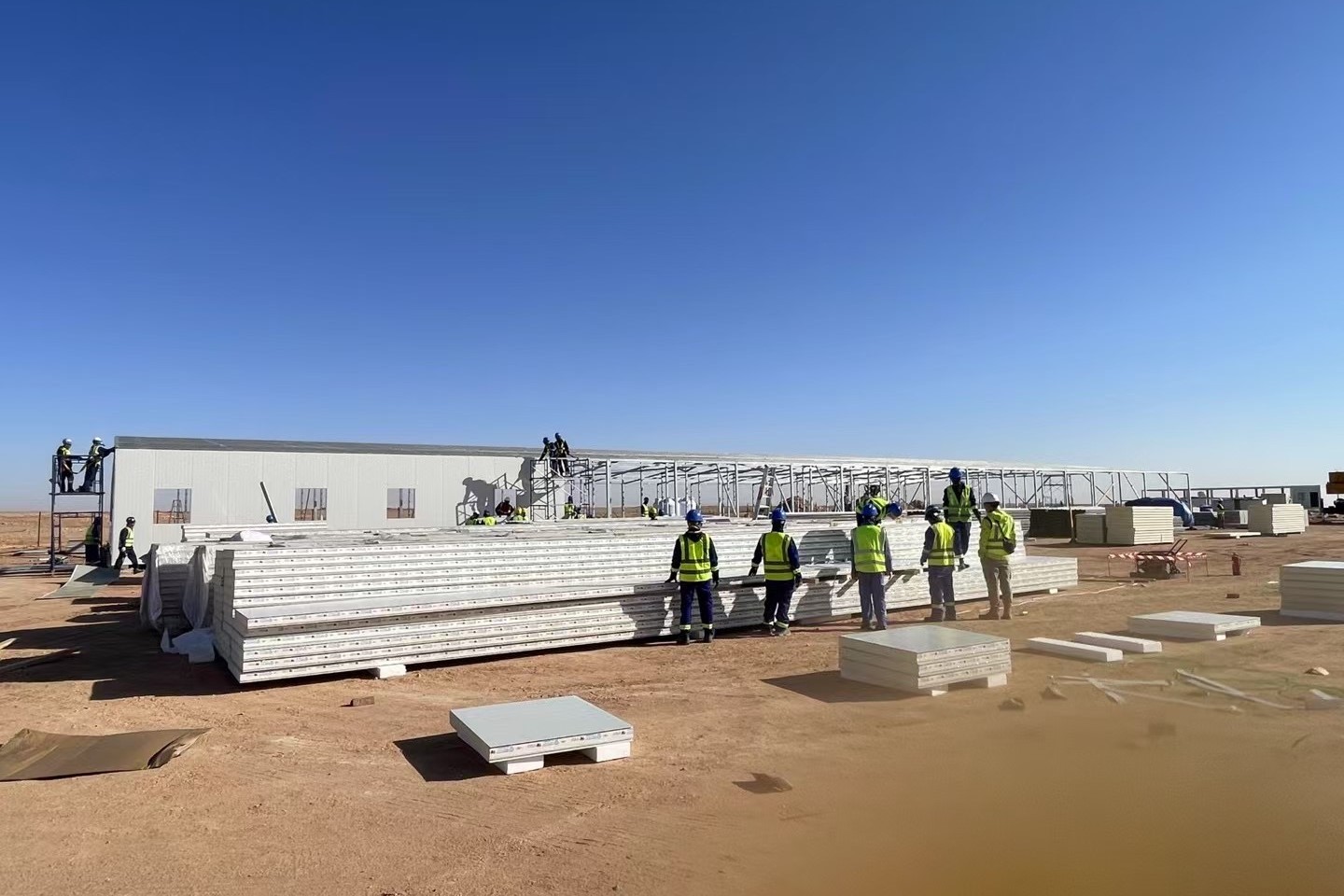
When it comes to modular temporary housing, 9States offers a comprehensive suite of solutions that cater to diverse client needs. The company understands the unique requirements of various sectors, from disaster relief to urban development, and tailors its offerings accordingly. With a focus on quality and efficiency, 9States ensures that every modular building project is executed seamlessly from start to finish.
At 9States, the goal is to provide clients with everything they need for their modular temporary housing projects. This includes not only the design and construction of the buildings but also assistance with planning and logistics. By offering a complete package, clients can rest assured that their modular housing plans will be realized without unnecessary complications or delays.
Moreover, 9States prides itself on being a one-stop shop for all things related to what is meant by modular building. Whether it's providing information about what does modular mean in housing or discussing the three types of modular buildings—permanent, relocatable, and transportable—clients receive expert guidance at every step. This comprehensive approach helps demystify the process of acquiring modular temporary housing and makes it accessible for everyone.
9States provides specialized teams trained in assembling these structures quickly while adhering to safety standards and regulations. With their expertise in installing various types of demountable buildings, clients can expect timely completion without compromising quality.
Additionally, ongoing support is an integral part of their service offering; should any issues arise post-installation, 9States stands ready to assist with troubleshooting or repairs as needed. Their commitment extends beyond just installation; they aim for long-term satisfaction with every project undertaken in the realm of modular temporary housing cost management as well as maintenance support.
By focusing on robust installation services combined with reliable support systems, 9States ensures that clients can fully leverage their investment in modular buildings without any hiccups along the way.
Customization is at the heart of what makes each project unique at 9States when it comes to modular temporary housing solutions. Clients have access to a variety of design options tailored specifically to meet their functional requirements while also considering aesthetics—creating spaces that feel like home rather than mere structures. From layout adjustments to finishes, there’s plenty of room for personal expression within these versatile designs.
Furthermore, flexibility extends beyond just appearance; customers can choose energy-efficient features or eco-friendly materials based on sustainability goals they wish to achieve through their new living spaces. This adaptability aligns perfectly with current trends in modular designs while keeping costs manageable—a win-win situation!
Ultimately, whether you’re curious about modular temporary housing price points or seeking detailed plans tailored specifically for your needs, 9States has you covered across all fronts—from initial inquiry through final touches on your customized build.
As we wrap up our exploration of modular temporary housing, it’s clear that this innovative approach to construction is not just a passing trend but a pivotal shift in how we think about building spaces. The future of modular temporary housing looks bright, with advancements in design and technology making these structures more adaptable and efficient. From disaster relief to urban development, the versatility of modular designs positions them as key players in addressing various housing challenges.
Looking ahead, the future of modular temporary housing promises exciting developments that could redefine our living environments. With the ongoing evolution of materials and construction techniques, what does modular mean in housing? It signifies a method where buildings are constructed off-site in sections (or modules) before being assembled on location—offering speed and efficiency like never before. As urbanization continues to rise, the demand for affordable and flexible living solutions will likely lead to an increase in modular temporary housing options.
Choosing demountable buildings comes with numerous benefits that make them an attractive option for various applications. For starters, these structures can be easily relocated or reconfigured based on changing needs—perfect for those seeking flexibility without sacrificing quality or style. Additionally, when considering modular temporary housing price versus traditional construction costs, many find that demountable options can offer significant savings without compromising on aesthetics or functionality.
In this landscape of innovation and flexibility, 9States stands out as a leader in providing comprehensive solutions for clients interested in modular temporary housing plans. Their commitment to customization means clients can tailor their spaces to fit unique requirements while benefiting from professional installation services and ongoing support. By focusing on sustainable practices and energy-efficient designs, 9States is not just meeting current demands but also paving the way for a greener future in modular construction.
 9States Delivers Fast-Assembly Modular Offices for Shanghai Xuhui Urban Greening Company
 Container Houses vs Traditional Construction: 7 Reasons Modular Buildings Are Reshaping the Industry in 2026
 9States Welcomes Paraguayan and Brazilian Delegation: A New Chapter for Modular Buildings in South America
 Container Houses vs Traditional Construction: 2026 Cost, Time and Sustainability Comparison
