
In today’s fast-paced world, modular accommodation is emerging as a game changer in the construction industry. With its innovative approach to building, it offers numerous benefits that traditional construction methods simply can’t match. So, what does modular mean in housing? It refers to structures that are pre-fabricated off-site and then assembled on location, resulting in faster build times and reduced costs.
One of the standout features of modular accommodation is its efficiency; projects can be completed in a fraction of the time compared to conventional buildings. This means you can move into your new space sooner, whether it's a cozy home or a stylish modular hotel. Additionally, modular accommodation often comes at a lower cost—modular accommodation prices are competitive and make high-quality living accessible to more people.
Choosing modular buildings for your projects opens up a world of possibilities—these structures are not only quick to assemble but also customizable. If you’re wondering what are modular hotels? They’re an excellent example of how versatile this approach can be, providing unique lodging experiences while maintaining quality and design integrity
The versatility of modular accommodation solutions is truly impressive; they cater to diverse needs ranging from temporary housing during construction projects to permanent residences that reflect personal style. What are the three types of modular buildings? They include container houses for quick setups, prefab houses for tailored designs, and mobile homes offering flexible living options that adapt to changing lifestyles. As demand grows, so does innovation within this sector, making it clear that modular accommodation is not just a trend—it’s here to stay.

Modular accommodation is revolutionizing the way we think about housing and temporary living spaces. These innovative structures are built off-site in a controlled environment and then transported to their final location for assembly. But what does modular mean in housing? It refers to the method of construction where buildings are made from pre-fabricated sections, or modules, that can be easily assembled on-site, offering flexibility and efficiency.
Modular accommodation buildings encompass a variety of structures designed for different purposes, including residential homes, hotels, and temporary facilities. Essentially, they are prefabricated units that can be customized to suit individual needs while maintaining high standards of quality and design. So what are modular hotels? They function similarly to traditional hotels but utilize modular construction techniques to provide quick setup and flexibility in design.
These buildings often include modern amenities such as energy-efficient systems, customizable layouts, and sustainable materials that appeal to eco-conscious consumers. Additionally, modular housing architecture allows for creative designs that can adapt to various environments—whether urban or rural—making these units highly sought after.
Choosing modular accommodation offers several advantages over traditional construction methods that can't be overlooked. For starters, the speed of construction is significantly reduced; many modular units can be completed in a fraction of the time it takes for conventional builds due to streamlined manufacturing processes. Furthermore, when considering modular accommodation cost and prices, you'll often find them more budget-friendly compared to traditional options—without compromising on quality or aesthetics.
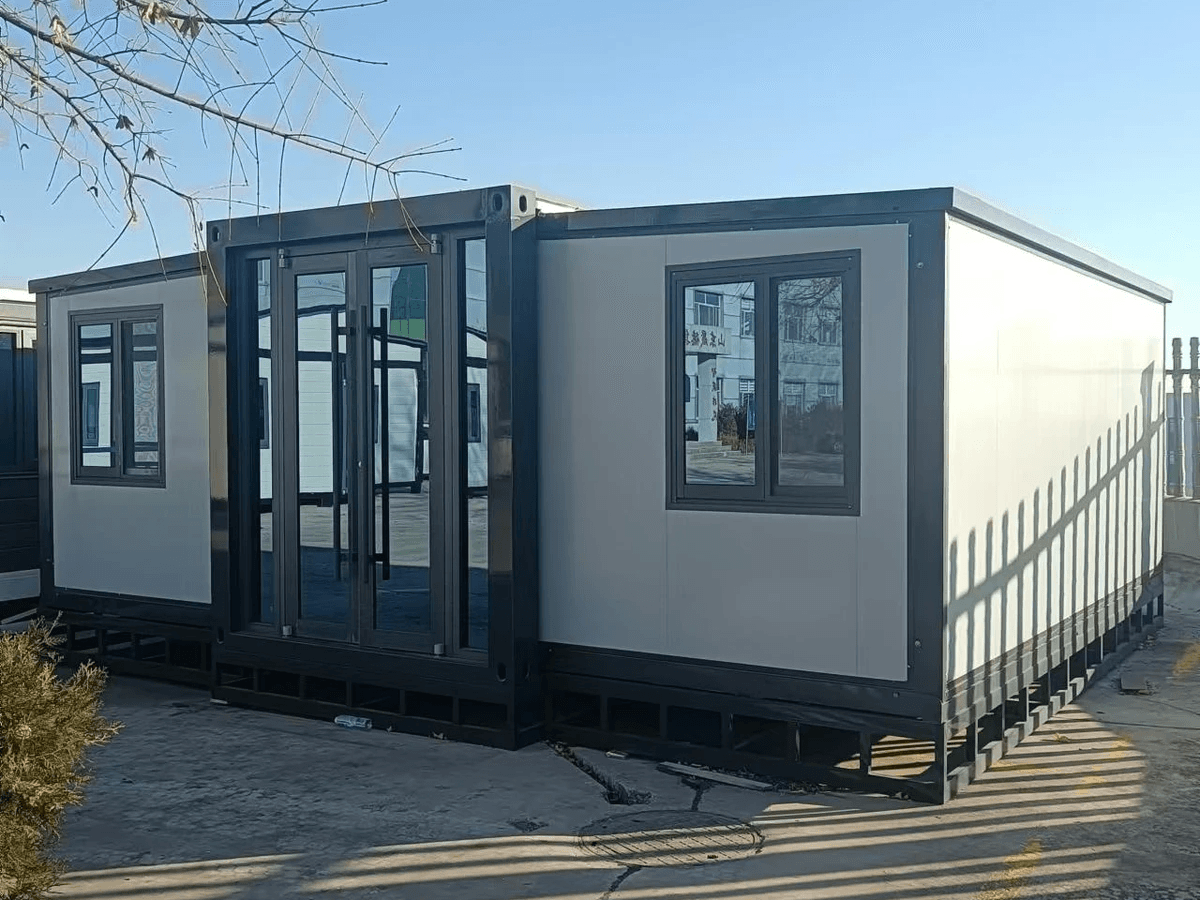
Container houses are a fantastic option when speed is of the essence in your modular accommodation project. These structures utilize repurposed shipping containers, allowing for rapid assembly without sacrificing quality or durability. What does modular mean in housing? It means these container homes can be easily transported and set up on-site, making them ideal for temporary housing or emergency shelters.
The appeal of container houses lies not only in their quick setup but also in their robust design and affordability compared to traditional construction methods. With prices often lower than conventional homes, they provide an attractive solution for budget-conscious individuals or organizations seeking efficient housing options. Plus, their unique architecture offers a modern aesthetic that stands out from typical residential designs.
Container homes exemplify the versatility of modular accommodation by being highly customizable while maintaining a low carbon footprint. As more people look towards sustainable living solutions, these innovative structures continue to gain popularity among eco-conscious buyers who appreciate both form and function.
Prefab houses represent another exciting facet of modular accommodation that allows homeowners to express their individuality through design choices. Unlike container houses that often retain their original structure, prefab homes are built from factory-produced components tailored to meet specific architectural styles and personal preferences. This level of customization means you can create your dream home with ease while still benefiting from the efficiencies associated with modular building techniques.
What are modular hotels? They’re essentially prefabricated structures designed specifically for hospitality purposes—think stylish rooms assembled off-site and installed quickly at your chosen location! With prefab houses becoming increasingly popular in both residential and commercial sectors, they offer an array of configurations suitable for families or businesses alike.
When considering modular accommodation costs associated with prefab houses, it's essential to keep in mind that while initial prices might vary based on customization levels, long-term savings on energy efficiency can make them an economically viable choice over time. Emphasizing quality craftsmanship alongside innovative designs ensures these homes stand out as prime examples of modern modular housing architecture.
Mobile homes offer unparalleled flexibility within the realm of modular accommodation solutions—perfect for those who value mobility without compromising comfort! Designed with convenience in mind, mobile homes can be relocated with relative ease compared to traditional structures, allowing residents to adapt their living situations based on changing circumstances or personal preferences.
What is meant by modular building? Essentially, it refers to any structure made up of pre-fabricated sections that can be assembled on-site—mobile homes fit this definition perfectly! They come equipped with essential amenities found in standard residences while providing owners with the freedom to travel or relocate whenever necessary.
Modular accommodation prices for mobile homes tend to be competitive compared to site-built alternatives; however, potential buyers should carefully evaluate factors such as size and features before making a decision. The result is not only an affordable living option but also one that aligns well with today’s fast-paced lifestyle—making mobile homes an appealing choice among modern homeowners seeking convenience without sacrificing quality.

When it comes to modular accommodation, several key players stand out in the industry, each contributing unique attributes and innovations. Among these, 9States Shanghai Modular Building Co., Ltd. has carved a niche for itself with a strong reputation for quality and versatility. Understanding who the major players are can help you make informed decisions about your modular housing needs.
9States Shanghai Modular Building Co., Ltd. is a leading name in the modular accommodation landscape, specializing in innovative building solutions that cater to various needs. Their portfolio includes a diverse range of modular buildings, from homes to hotels, showcasing what modular means in housing today. With an emphasis on sustainable practices and modern design, their offerings reflect the latest trends in modular housing architecture.
One of the standout features of 9States is their commitment to enhancing your building experience through customization and efficiency. They offer tailored solutions that allow clients to choose layouts and finishes that fit their specific requirements—perfect for those asking what are modular hotels? Moreover, with competitive pricing strategies, they ensure that modular accommodation costs remain accessible without compromising on quality or design.
While 9States leads the charge, other notable companies also contribute significantly to the modular accommodation market. Firms like ModSpace and Katerra focus on different aspects of modular building; ModSpace excels in temporary structures while Katerra emphasizes technology-driven construction processes. Collectively, these companies illustrate the three types of modular buildings available today: permanent homes, temporary units like mobile homes, and customized prefab structures—all catering to diverse needs at varying prices.

When diving into the world of modular accommodation, there are several key factors to keep in mind to ensure you make the best choice for your needs. Understanding your budget, evaluating the quality and design of various options, and comprehending installation services are paramount in this process. Each consideration plays a crucial role in determining the overall success of your modular building project.
Budgeting for modular accommodation can sometimes feel like navigating a maze, but it doesn’t have to be overly complicated. First, take a close look at modular accommodation prices; they can vary widely based on size, features, and customization options. Keep in mind that while initial costs may seem lower than traditional construction methods, you should also account for long-term savings on energy efficiency and maintenance when considering what does modular mean in housing.
Additionally, consider hidden costs that may arise during the planning and installation phases. For example, site preparation or necessary permits might not be included in the initial quote for your modular building. Ultimately, having a clear budget will help you avoid surprises down the road while ensuring you get the most bang for your buck.
Not all modular buildings are created equal; some may boast innovative architecture while others might cut corners on materials or craftsmanship. Investigate various manufacturers to see what they offer regarding modular housing architecture—look for companies that prioritize durability without sacrificing aesthetic appeal.
Consider visiting model units or showrooms to get a firsthand experience of different designs and layouts available within the three types of modular buildings: container houses, prefab houses, and mobile homes. This hands-on approach will provide insight into how well these structures meet your expectations regarding space utilization and comfort levels. Remember that investing time upfront into finding high-quality designs will pay off significantly when it comes time to live or work in your new space.
Understanding installation services is another critical aspect when purchasing modular accommodation that often gets overlooked. While many think about just buying a building kit or unit itself, knowing how it will be installed is equally important—after all, no one wants their dream home turned into a construction nightmare! Research whether companies provide comprehensive installation services as part of their package or if you'll need to hire external contractors separately.
Moreover, inquire about timelines associated with both delivery and setup; delays can lead to additional costs if you're not careful! A reputable company should offer clear communication throughout this process so you know exactly what steps are being taken towards completing your project efficiently and effectively—this level of transparency helps ensure you're getting value for every dollar spent on modular accommodation.
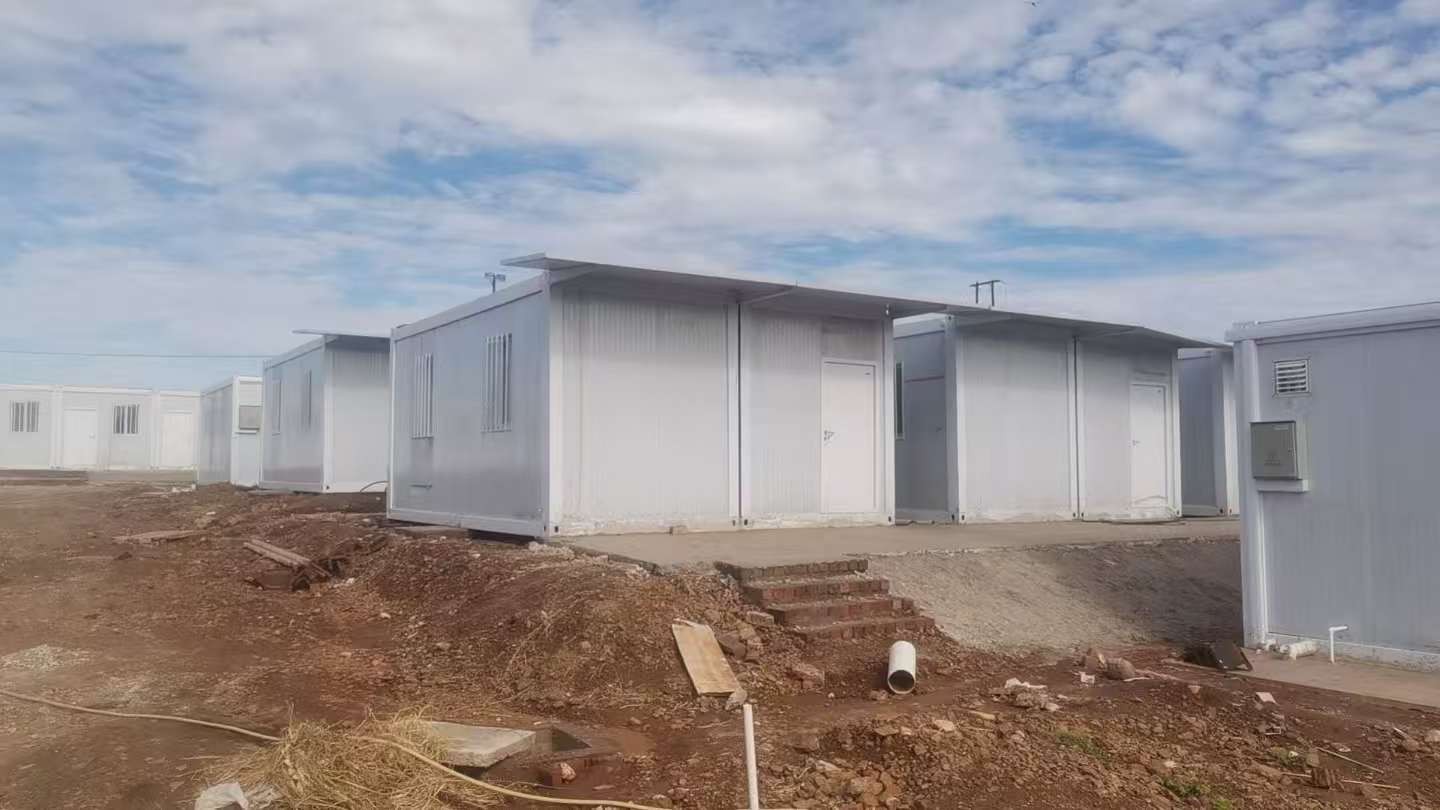
The future of modular accommodation is bright, with a growing acceptance and enthusiasm for this innovative construction method. As more people recognize its benefits, the landscape of housing is evolving to embrace modular solutions that cater to diverse needs. From residential homes to commercial spaces, modular buildings are becoming increasingly popular due to their efficiency and adaptability.
What does modular mean in housing? Essentially, it refers to structures built from pre-fabricated sections or modules that are assembled on-site. This approach allows for quicker construction times and reduced labor costs, making it an appealing option for developers and homeowners alike. Among the rising trends in modular housing are designs that emphasize flexibility and functionality—think open floor plans and multi-use spaces that adapt to changing lifestyles.
Another trend shaping the future of modular accommodation is the integration of smart home technology. Homebuyers are increasingly looking for features like energy-efficient systems, automated controls, and connectivity options that enhance their living experience. As a result, manufacturers are focusing on incorporating these technologies into new modular buildings to meet consumer demand.
Sustainability is becoming a cornerstone of modern construction practices, and modular accommodation is no exception. With an increasing focus on reducing carbon footprints, many companies are prioritizing eco-friendly materials and energy-efficient designs in their modular housing architecture. This commitment not only helps protect the environment but also appeals to consumers who value sustainability.
Moreover, the efficient manufacturing process associated with modular buildings often results in less waste compared to traditional construction methods. By using precise measurements and cutting materials off-site before assembly begins, manufacturers can minimize excess material use significantly. As awareness around environmental issues grows, sustainable practices will likely become standard within the industry.
Technological advancements continue to reshape how we think about building structures—especially when it comes to modular accommodation solutions. Innovations such as 3D printing are being explored as a means of creating components for these buildings faster than ever before while maintaining quality standards. What are modular hotels? These innovative lodging options leverage technology by offering customizable rooms built from prefabricated modules designed for swift assembly.
Additionally, virtual reality (VR) tools allow potential buyers or renters to experience their future homes before they’re even constructed! With VR walkthroughs becoming more accessible, customers can visualize layouts and make design choices tailored specifically to their preferences without stepping foot on site until completion. This tech-driven approach not only enhances customer satisfaction but also streamlines project timelines significantly.
In wrapping up our exploration of modular accommodation, it's essential to recognize the myriad benefits these structures offer. With their flexibility and efficiency, modular buildings are redefining what it means to create living and working spaces. Whether you're considering a modular hotel or a custom-designed home, understanding your options will help you make an informed choice.
Selecting the right modular accommodation involves evaluating your specific needs and preferences. Start by asking yourself: What does modular mean in housing? Essentially, it refers to structures built in sections or modules off-site, allowing for quick assembly on location. Understanding the three types of modular buildings—container houses, prefab houses, and mobile homes—will guide you toward the best fit for your lifestyle or project.
When considering modular accommodation cost, it's crucial to factor in not only the initial price but also long-term savings on energy and maintenance. Additionally, explore various designs within modular housing architecture that can be tailored to your aesthetic preferences while still meeting functional requirements. By carefully weighing these considerations, you'll be well-equipped to choose a solution that resonates with both your budget and vision.
The rise of modular accommodation is not just a passing trend; it's a response to evolving societal needs and environmental challenges. As urbanization continues to surge and affordable housing becomes increasingly scarce, innovative solutions like modular hotels are stepping up as viable alternatives. These structures provide quick turnaround times without sacrificing quality or design—a combination that appeals greatly in today’s fast-paced world.
Moreover, sustainability plays a significant role in why modular solutions are here to stay. Modular buildings often utilize eco-friendly materials and construction methods which significantly reduce waste compared to traditional building techniques. This focus on sustainability aligns with growing consumer demand for environmentally responsible choices in housing.
Now that you've gained insights into modular accommodation options, it’s time to take actionable steps toward bringing your vision to life! Begin by researching reputable companies specializing in this field; many offer comprehensive services from design consultation through installation services for seamless project execution. Don't forget to evaluate their past projects—this will give you a clearer picture of what you can expect regarding quality and craftsmanship.
As you dive into budgeting for your new space, keep an eye on varying prices across different types of modular buildings; this knowledge will empower you during negotiations with suppliers or builders. Finally, embrace technological innovations within the industry—these advancements often translate into enhanced functionality and efficiency for modern living spaces.
 9States Delivers Fast-Assembly Modular Offices for Shanghai Xuhui Urban Greening Company
 Container Houses vs Traditional Construction: 7 Reasons Modular Buildings Are Reshaping the Industry in 2026
 9States Welcomes Paraguayan and Brazilian Delegation: A New Chapter for Modular Buildings in South America
 Container Houses vs Traditional Construction: 2026 Cost, Time and Sustainability Comparison
