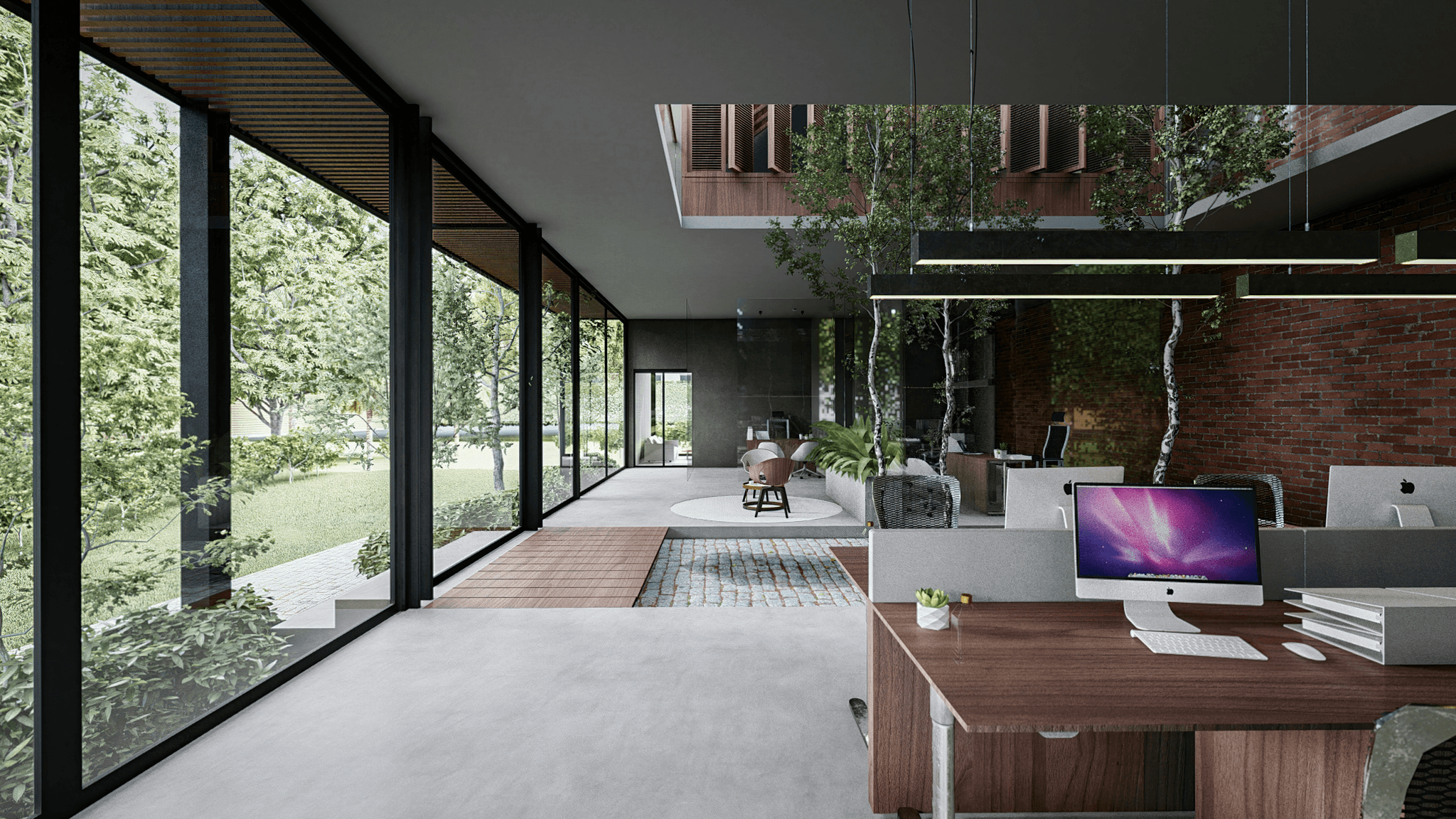
In an ever-evolving landscape of workspace solutions, prefab offices have emerged as a smart and efficient choice for businesses seeking flexibility and cost-effectiveness. These prefabricated modular building systems offer a unique blend of functionality and affordability, making them an attractive option for startups, growing companies, or even established enterprises looking to expand their operations without the hefty price tag of traditional construction. With the rise of modular construction, understanding the benefits of portable offices has never been more crucial.
Prefab offices are revolutionizing the way we think about workspace design by providing quick assembly times and reduced labor costs compared to conventional buildings. The key benefits include enhanced customization options, allowing businesses to tailor their spaces according to specific needs while maintaining a budget-friendly approach. Additionally, these modular structures can be relocated easily, offering unparalleled flexibility for companies that may need to adapt or change locations in response to market demands.
The rise of modular construction has transformed the building industry by introducing innovative methods that prioritize efficiency and sustainability. Prefabricated construction techniques allow entire sections of buildings to be manufactured off-site before being transported and assembled on location—saving time and minimizing waste in the process. As businesses increasingly prioritize sustainable practices, this shift towards modular building is not just a trend but a fundamental change in how we construct our environments.
Choosing affordable solutions like prefab offices can significantly impact a company's bottom line while still offering high-quality workspaces that meet modern standards. With rising real estate costs and lengthy construction timelines becoming common challenges for many organizations, opting for prefabricated modular building systems provides a practical alternative that aligns with financial constraints without sacrificing quality or aesthetics. Ultimately, investing in portable office solutions can lead to long-term savings while ensuring that businesses remain agile in today's fast-paced market.

Prefab offices are revolutionizing the way we think about workspace solutions. These innovative structures utilize prefabricated modular building systems that allow for quick assembly and flexibility in design. In essence, prefab offices represent a modern approach to creating functional work environments without the lengthy timelines associated with traditional construction.
Prefab offices, or prefabricated modular buildings, are pre-manufactured structures designed for efficient assembly at the final location. They come in various sizes and configurations, making them suitable for diverse needs—from small portable offices to larger corporate spaces. This method of construction simplifies the building process by allowing sections of the office to be constructed off-site before being transported and assembled on-site.
One of the standout features of prefab offices is their versatility; they can be customized to meet specific requirements, from layout changes to aesthetic preferences. Additionally, these modular structures often incorporate advanced technology for energy efficiency and sustainability, such as solar panels or high-quality insulation materials. Furthermore, prefab construction typically allows for faster installation compared to traditional methods, minimizing disruption at your location.
When comparing prefab offices with traditional office buildings, several advantages become evident. For starters, cost-effectiveness is a significant benefit; prefabricated construction often results in lower overall expenses due to reduced labor costs and shorter project timelines. Moreover, because these portable offices can be relocated as needed or expanded easily over time, they offer unmatched flexibility that conventional buildings simply can't match.

The world of prefabricated construction is evolving, making prefab offices more accessible than ever. With the increasing demand for efficient and cost-effective building solutions, many are turning to prefabricated modular building systems as a viable alternative to traditional construction. This section will explore how these affordable options are reshaping the landscape of portable offices.
When weighing the costs, prefab offices often come out on top compared to traditional buildings. The streamlined process of modular construction reduces labor costs and minimizes waste, leading to significant savings. In fact, studies show that investing in prefabricated construction can save up to 30% when compared to conventional methods due to lower material costs and quicker assembly times.
One major factor driving down expenses is the reduced time frame for project completion associated with building prefab structures. While traditional construction can take months or even years, modular structures can often be erected in a fraction of that time—sometimes in just a few weeks! This means less disruption and lower overhead costs for businesses eager to get up and running.
Additionally, prefab offices come equipped with modern features that enhance functionality while keeping prices competitive. With customizations available at various price points, businesses can find a solution that meets their needs without breaking the bank.
Today’s market offers an array of budget-friendly solutions within the realm of prefabricated construction. From basic portable office designs to fully customized modular structures, there’s something for everyone looking for an economical workspace option. Many manufacturers now provide pre-designed models that allow businesses to choose from established layouts at reduced costs—perfect for those who need quick setups without sacrificing quality.
Moreover, advancements in technology have led to innovative materials being used in building prefab units which are both cost-effective and durable. For instance, eco-friendly options like recycled steel or sustainable wood not only help reduce overall expenses but also appeal to environmentally conscious companies looking for greener alternatives.
As demand grows for affordable workspace solutions, many providers are now offering packages that include installation services along with their prefab offices—ensuring a seamless transition from purchase to setup without any hidden fees or surprises down the line.
Financing options have become increasingly flexible when it comes to acquiring modular structures like prefab offices. Various lenders now offer specialized loans tailored specifically for prefabricated construction projects, making it easier than ever for small businesses or startups to secure funding without excessive financial strain.
Leasing is another popular choice among companies seeking budget-friendly solutions; this allows them access to high-quality portable office spaces while preserving capital for other operational needs! Many leasing agreements also include maintenance services which further alleviate concerns about upkeep costs over time.
Finally, government grants and incentives aimed at promoting sustainable building practices may also be available depending on your location—providing an additional financial boost when opting for innovative prefabricated construction methods like those seen in modern modular buildings today!
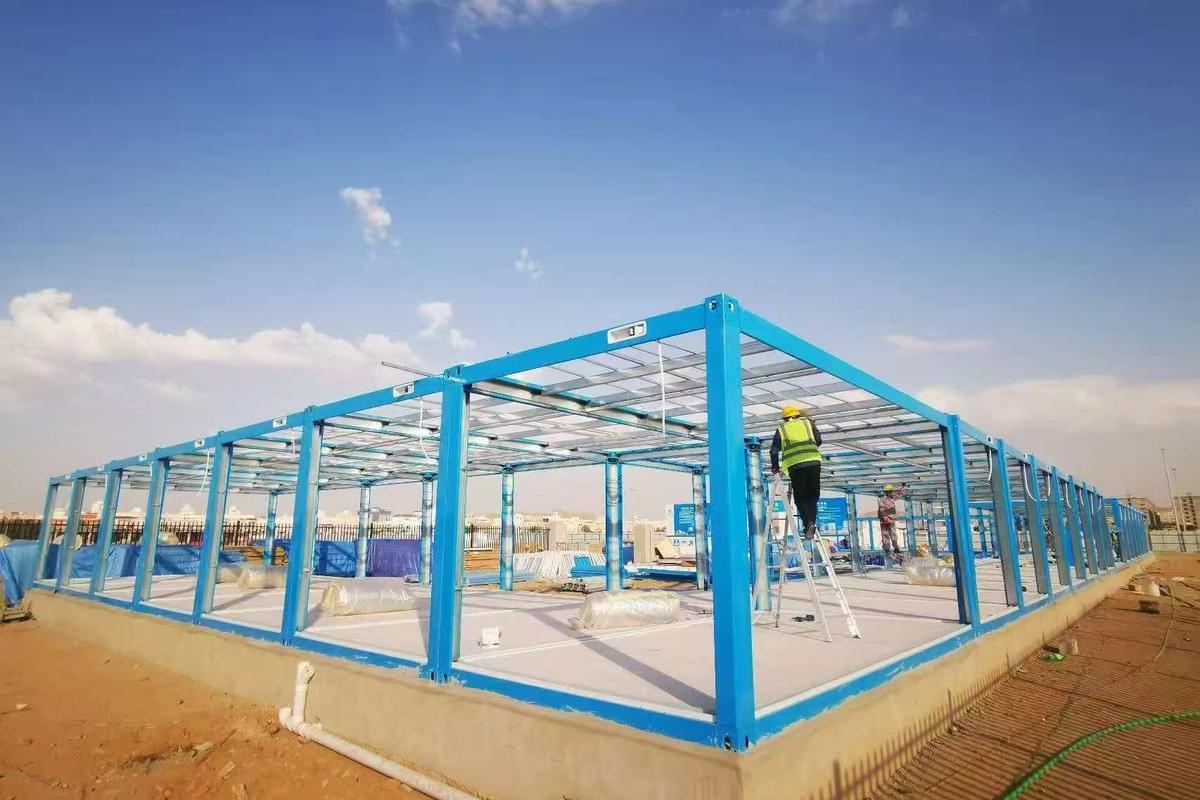
When delving into the world of prefab offices, it's crucial to identify reputable providers who excel in prefabricated modular building systems. The market has a variety of companies that specialize in portable office solutions, each offering unique advantages and features tailored to different needs. In this section, we’ll spotlight a leading player and explore other notable companies while emphasizing the importance of quality and customer service.
9States Shanghai Modular Building Co., Ltd. stands out as a premier provider in the realm of prefab offices and modular construction. With years of experience under their belt, they have honed their expertise in building prefab structures that are not only cost-effective but also highly customizable to suit various business requirements. Their commitment to quality is evident in every aspect of their prefabricated construction processes, ensuring that clients receive durable and aesthetically pleasing portable offices.
The company offers an impressive range of designs that cater to diverse industries, making it easy for businesses to find the perfect fit for their operational needs. From sleek modern aesthetics to functional layouts, 9States prioritizes both form and function in its modular structures. Additionally, their strong focus on sustainability means you can feel good about your choice when opting for one of their eco-friendly prefab solutions.
When choosing a provider for your prefab offices or other modular structures, evaluating quality and customer service should be at the forefront of your decision-making process. A reliable company will not only deliver high-quality prefabricated construction but also support you throughout the entire process—from design through installation—ensuring everything runs smoothly with minimal stress involved. Look for reviews or testimonials from previous clients; these can provide valuable insights into how well a company communicates and resolves issues.
Moreover, consider whether potential providers offer warranties or guarantees on their products; this shows confidence in their craftsmanship while giving you peace of mind regarding your investment in portable office solutions. Great customer service often translates into better overall experiences during setup as well as ongoing support after installation is complete—an essential factor if any issues arise later down the line with your modular buildings.

When diving into the world of portable offices, there are several essential considerations that can make or break your experience. From understanding space requirements to navigating local regulations, choosing the right prefab office is crucial for ensuring functionality and compliance. Moreover, sustainability and energy efficiency should also be top priorities in today’s eco-conscious world.
Before you even think about building prefab, it’s vital to assess your space requirements and layout preferences. Whether you need a cozy nook for a few employees or an expansive area for collaborative work, the size of your modular structures will dictate much of your design process. Additionally, consider how the layout will facilitate workflow; open spaces can encourage communication while designated areas can provide privacy.
It's also important to keep future scalability in mind when planning your portable office space. If you're anticipating growth or changes in team dynamics, opting for prefabricated modular building systems that allow easy expansion is a smart move. Remember, good design not only looks appealing but also enhances productivity.
Navigating local regulations and permits is another critical step when considering prefabricated construction. Each region has its own set of rules governing modular construction that can affect everything from zoning to safety standards. It’s essential to familiarize yourself with these regulations before you start building prefab; otherwise, you may face delays or costly fines.
Engaging with local authorities early on can help streamline the permitting process and ensure that your portable office meets all necessary codes. This proactive approach allows you to focus on what truly matters—creating an efficient workspace tailored to your needs. Plus, adhering to regulations ensures safety for everyone who will use the prefab offices.
In our rapidly changing environment, sustainability should be at the forefront of any construction project—including prefabricated modular buildings. Opting for eco-friendly materials and energy-efficient designs not only helps reduce your carbon footprint but can also lead to long-term cost savings through lower utility bills. Many modern prefab offices come equipped with features like solar panels or high-efficiency insulation that contribute positively to energy consumption.
Additionally, choosing sustainable options often enhances the overall appeal of your portable office by aligning with consumer preferences towards environmentally responsible practices. This not only boosts employee morale but also attracts clients who value sustainability in their partnerships. As we look towards a greener future, prioritizing sustainability in modular structures becomes more than just an option; it’s a necessity.
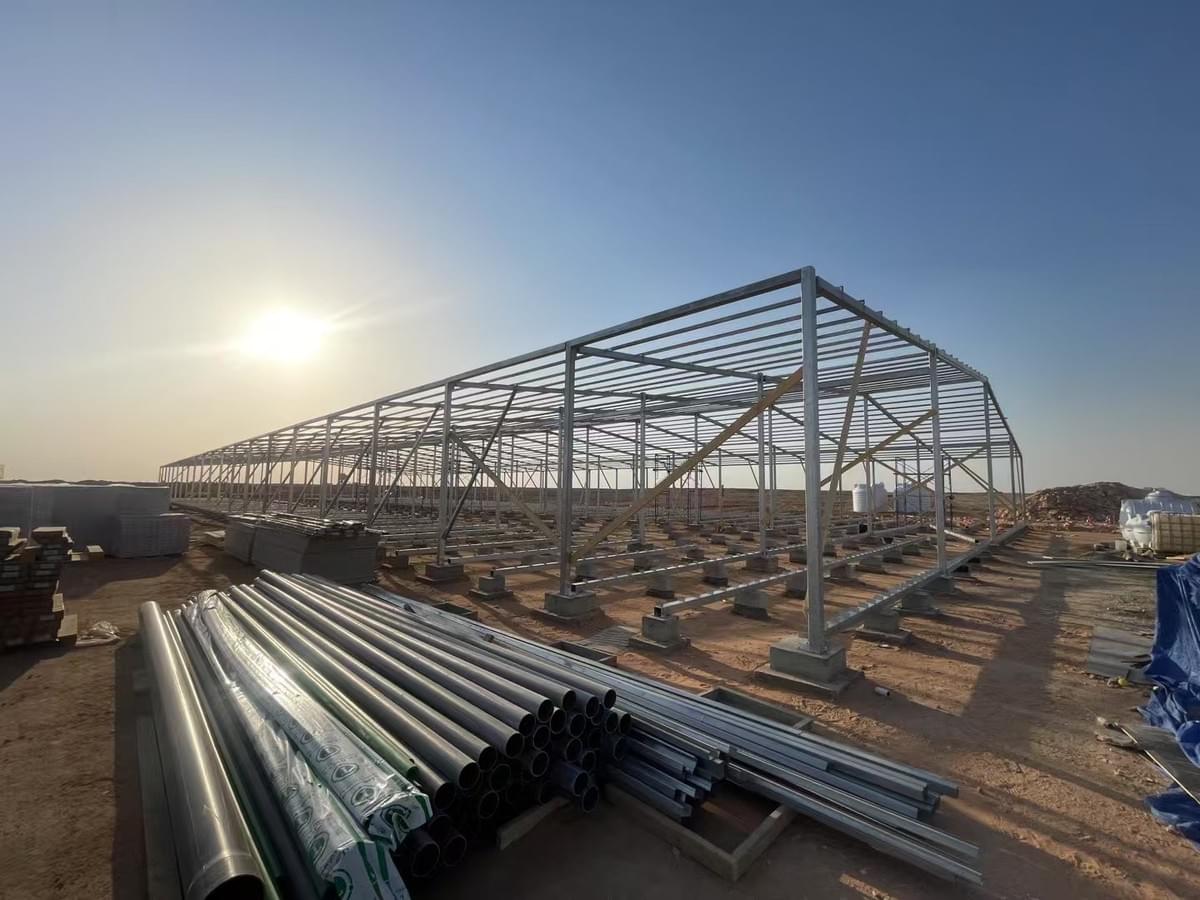
Building prefab offers a streamlined approach to creating functional spaces, particularly in the realm of portable offices and modular structures. Understanding the phases involved in prefabricated construction can help businesses and individuals navigate this innovative process with ease. From conceptualization to installation, each step is designed to maximize efficiency while minimizing costs.
The process of modular construction is divided into several key phases that ensure a smooth transition from design to completion. Initially, architects and designers collaborate to create plans tailored for prefab offices, focusing on functionality and aesthetics within prefabricated modular building systems. Following this, components are manufactured off-site under controlled conditions, which significantly reduces construction time compared to traditional building methods.
Once the components are ready, they are transported to the installation site where assembly begins. This phase emphasizes precision and coordination among various teams, ensuring that every piece fits together seamlessly. With an efficient setup process in place, businesses can enjoy their new portable office sooner than they would with conventional construction.
The timeline for building prefab can vary based on project complexity but generally follows a predictable pattern. After finalizing designs for the modular structures—often within weeks—the actual manufacturing process can take anywhere from a few days to several months depending on the scale of the project. Once fabrication is complete, delivery and installation usually occur rapidly, often within days rather than months.
This compressed timeline is one of the most appealing aspects of prefabricated construction; it allows companies to establish their workspaces quickly without sacrificing quality or design integrity. Moreover, because much of the work happens simultaneously (designing while building), overall project timelines are significantly shortened compared to traditional approaches where each phase must be completed sequentially.
To ensure a smooth setup when building prefab offices or other modular structures, careful planning is essential at every stage of construction. Start by assessing space requirements early on; understanding how much room you need will guide decisions about layout and design features in your portable office setup.
Additionally, it’s crucial to stay informed about local regulations and permits that may impact your project timeline or costs; navigating these requirements upfront helps avoid delays later on in the process. Lastly, selecting experienced contractors who specialize in prefabricated construction will not only enhance quality but also contribute valuable insights into achieving an efficient assembly.
As we wrap up our exploration of prefab offices, it's clear that the future of prefabricated modular building systems is bright and full of potential. The increasing demand for flexible, cost-effective solutions in the workspace is propelling the growth of portable offices and modular construction. With advancements in technology and design, building prefab has never been more efficient or appealing.
The future landscape of prefab offices promises innovation and adaptability that traditional construction methods simply can’t match. As businesses continue to seek out sustainable practices, prefabricated construction offers a pathway to greener solutions without compromising on style or functionality. Modular structures are not just a trend; they represent a shift toward smarter, more efficient ways to create workspaces that meet evolving needs.
Cost-effectiveness is one of the most compelling reasons to consider prefab offices over conventional buildings. With reduced labor costs and shorter construction timelines, investing in prefabricated modular building systems can lead to substantial savings for businesses looking to expand or relocate. Moreover, affordable options in modular construction allow companies to allocate resources elsewhere while still achieving high-quality results.
In conclusion, prefabricated construction stands out as a viable solution for modern-day workspace challenges. Whether you're seeking a portable office for temporary needs or a permanent structure designed with sustainability in mind, there's no denying that modular solutions are paving the way forward. As we look ahead, embracing these innovative approaches will undoubtedly enhance how we think about office spaces—making them more efficient, affordable, and environmentally friendly.
 How to Install a Modular Container Home: A Step-by-Step Construction Guide
 How Modular Container Hospitals Are Delivering Healthcare to Underserved Regions: A Practical Guide
 How Modular Container Hotels Are Redefining Hospitality in Remote Destinations
 What Makes Flat-Pack Container Homes a Smart Choice for Remote Areas: A Complete Technical Breakdown
