In recent years, the retail landscape has undergone significant transformations, with innovative concepts reshaping how consumers engage with brands. One of the most exciting developments is the emergence of shipping container stores, which offer a unique and flexible approach to retailing. These modular spaces not only cater to the needs of modern entrepreneurs but also provide an opportunity for customization that traditional retail environments often lack.
The rise of pop-up shops has revolutionized how businesses connect with customers, allowing for temporary yet impactful retail experiences. Shipping container stores have become a cornerstone of this trend, providing an adaptable solution that can be easily transported and repurposed. With their industrial aesthetic and sustainable roots, these containers appeal to both eco-conscious consumers and innovative retailers looking for fresh ways to stand out in a crowded market.
So, what exactly is fueling the popularity of shipping container stores? For starters, they are cost-effective alternatives to conventional brick-and-mortar shops; many entrepreneurs ask themselves, What is the cost of a 40 ft container? This affordability opens doors for small businesses and startups eager to establish their presence without breaking the bank. Additionally, as more people wonder, Can I turn a shipping container into a shop? it’s clear that these versatile structures are becoming synonymous with creativity and entrepreneurship.
Customization is at the heart of what makes shipping container stores so appealing. Retailers can tailor their spaces to reflect their brand identity while enhancing functionality through thoughtful design choices. With options ranging from layout adjustments to incorporating sustainable materials—like reclaimed wood or energy-efficient systems—business owners can create unique shopping environments that resonate with customers while addressing questions like “How much is a used container in Saudi Arabia?” Ultimately, embracing customization not only sets your store apart but also fosters meaningful connections between your brand and its audience.
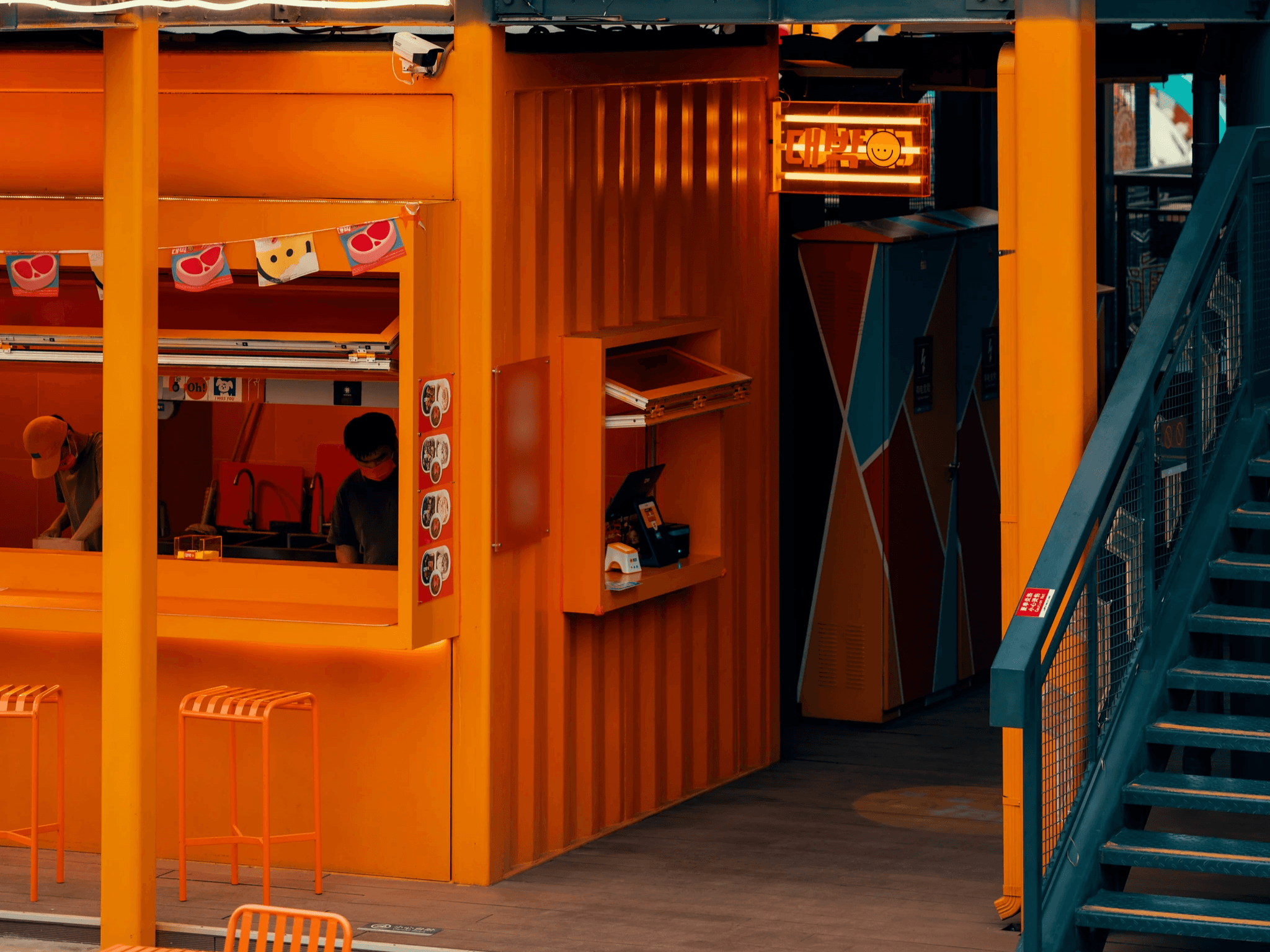
Shipping container stores are transforming the retail landscape, offering a fresh, innovative approach to shopping. These unique spaces not only capture attention but also provide flexibility and sustainability that traditional brick-and-mortar shops often lack. As this trend gains traction, many entrepreneurs are asking themselves: Can I turn a shipping container into a shop? The answer is a resounding yes!
One of the primary benefits of shipping container retail is cost-effectiveness. A common question is, What is the cost of a 40 ft container? Prices can vary significantly based on condition and location, but they generally offer an affordable alternative to conventional retail spaces. Additionally, these containers are portable and can be relocated as needed, making them perfect for businesses that aim to adapt quickly to changing market demands.
Another advantage lies in their eco-friendliness; using recycled shipping containers reduces waste and promotes sustainable practices in retail design. Moreover, these stores require less energy to maintain than traditional buildings due to their smaller size and insulation properties. With growing consumer interest in sustainability, operating a shipping container store can enhance your brand’s image while attracting environmentally conscious shoppers.
Around the globe, numerous inspiring examples showcase the versatility of shipping container stores. For instance, in cities like Los Angeles and New York City, vibrant pop-up shops made from repurposed containers have become popular attractions for both locals and tourists alike. These creative setups often feature everything from artisanal food vendors to trendy boutiques—demonstrating how adaptable these spaces can be for various types of businesses.
In Saudi Arabia, where urban development is booming, many entrepreneurs are exploring how much a used container costs in their quest for unique retail solutions. By transforming standard shipping containers into chic storefronts or cafes adorned with local artwork and greenery, they create inviting environments that captivate customers' attention. Such examples highlight how shipping container stores not only serve functional purposes but also contribute aesthetically to their surroundings.
The rise of pop-up shops has further fueled interest in shipping container stores as temporary yet impactful retail solutions. With low overhead costs associated with setting up shop in a converted container—coupled with the ability to easily relocate—businesses can experiment with new locations without long-term commitments or hefty expenses. This trend aligns perfectly with consumers’ ever-changing preferences for unique shopping experiences.
Pop-up shops allow brands to create buzz around product launches or seasonal promotions while simultaneously testing new markets before committing fully to permanent locations. Many entrepreneurs now ask themselves how to get free shipping container store options through community initiatives or partnerships that promote local businesses while minimizing startup costs. This innovative approach not only benefits retailers but also fosters community engagement by bringing diverse offerings directly into neighborhoods.

When it comes to creating a shipping container store, customization is key to setting your business apart from the competition. From layout and design to features and materials, every aspect can be tailored to reflect your brand’s identity while maximizing functionality. This flexibility not only enhances customer experience but also allows for unique expressions of creativity in retail spaces.
Designing your unique retail space within a shipping container store involves considering both aesthetics and practicality. You can play with colors, finishes, and layouts that resonate with your target audience while ensuring an inviting atmosphere. Can I turn a shipping container into a shop? Absolutely! The compact nature of containers encourages innovative design solutions, making it easier to create an engaging shopping environment.
Additionally, incorporating effective signage and branding elements can significantly enhance visibility and attract foot traffic to pop-up shops or permanent locations alike. Think outside the box—literally! Use modular furniture or movable displays that allow for easy reconfiguration as your needs evolve over time.
To ensure that your shipping container store is not just visually appealing but also functional, certain essential features should be prioritized. Start with proper ventilation and lighting; these elements are crucial for creating a comfortable shopping experience that keeps customers coming back. How much is a used container in Saudi Arabia? Prices vary based on condition and modifications needed, so it's wise to factor these costs into your budget when planning essential upgrades.
Moreover, consider integrating technology such as point-of-sale systems or digital displays that enhance customer engagement and streamline transactions. A well-thought-out layout will guide customers through the space efficiently while making the most out of limited square footage—a challenge many retailers face in today’s market.
Sustainability is more than just a buzzword; it's becoming increasingly important in retail design—especially when utilizing shipping containers as stores. By choosing sustainable materials for flooring, fixtures, and decor, you can reduce environmental impact while appealing to eco-conscious consumers who prefer brands aligned with their values. When exploring how to get free shipping container store options or low-cost alternatives like reclaimed wood or recycled metal accents, remember that sustainability doesn't have to break the bank.
Incorporating energy-efficient lighting solutions can further enhance your store's sustainability profile while cutting down on operational costs over time—an added bonus! Ultimately, embracing eco-friendly practices not only contributes positively to the environment but also positions your brand as forward-thinking in an ever-evolving marketplace.
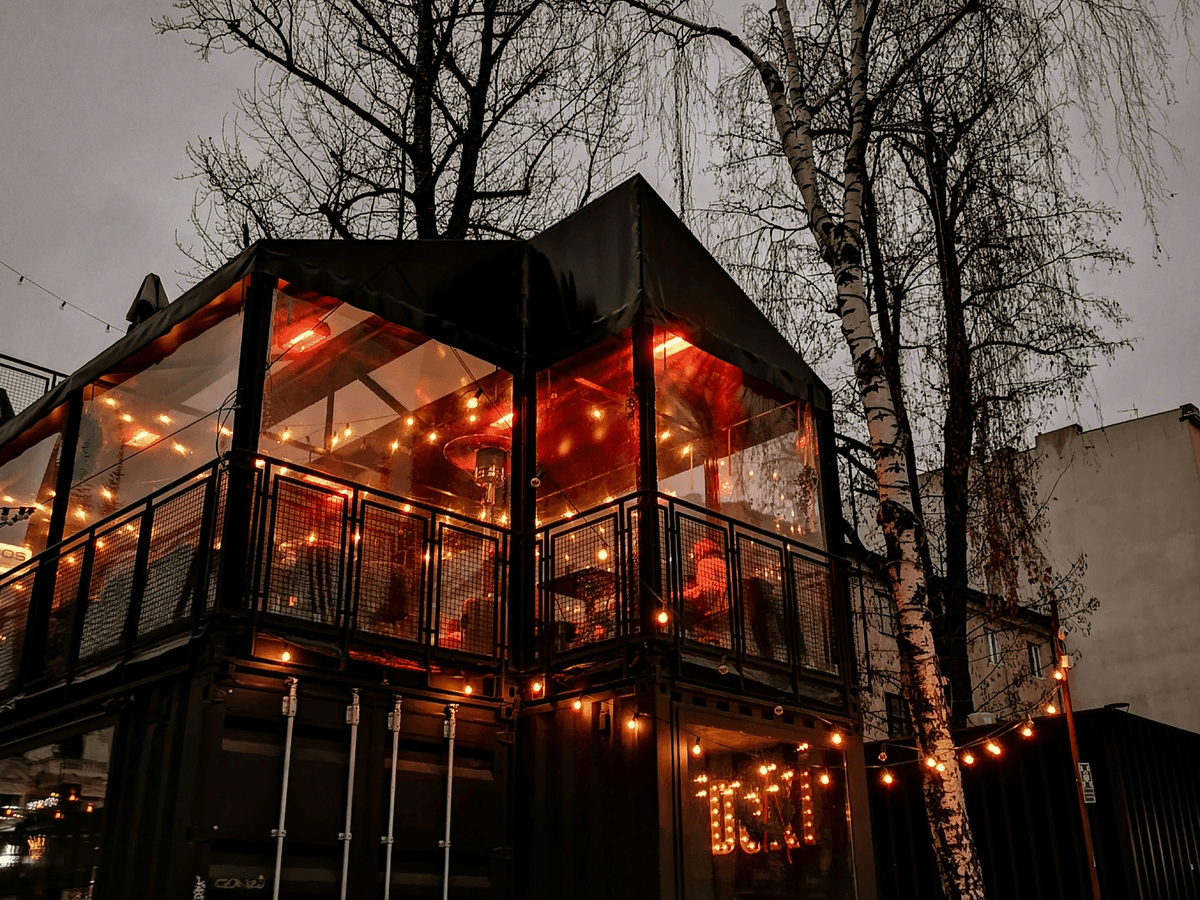
When diving into the world of shipping container stores, understanding costs is crucial for aspiring entrepreneurs. The price of a shipping container can vary widely based on factors such as condition, location, and market demand. Budgeting for your new venture also includes modifications and setup costs, which can transform a basic container into a functional retail space.
The cost of a 40 ft container typically ranges from $2,000 to $5,000 depending on its condition and whether it’s new or used. For those asking, “What is the cost of a 40 ft container?” it's essential to consider additional expenses like delivery fees and potential modifications needed for your shipping container store. Prices can fluctuate based on geographic location; thus, researching local suppliers can yield better deals.
If you’re eyeing the Middle Eastern market for your shipping container store aspirations, you might be wondering: “How much is a used container in Saudi Arabia?” Generally speaking, prices for used containers in this region range from approximately $1,500 to $3,500. It’s worth noting that factors such as demand fluctuations and import tariffs may affect these prices; thus keeping an eye on market trends will help you snag the best deal.
Budgeting effectively for modifications and setup involves more than just acquiring the shipping container itself; it requires careful planning around what features you want in your retail space. Consider costs associated with insulation, electrical work, plumbing (if necessary), shelving installation, and aesthetic enhancements that make your shipping container store inviting to customers. Additionally, if you're curious about how to get free shipping containers or discounts through local businesses or community programs—networking could be key in reducing initial expenses while still creating an appealing pop-up shop environment.

When diving into the world of shipping container stores, it's crucial to understand the regulations and permits that come into play. Each locality has its own set of rules that can significantly impact your plans for a shipping container store. Therefore, navigating these legal waters is essential to ensure your pop-up shop or permanent retail space operates smoothly and within the law.
Local zoning laws dictate how land can be used in specific areas, which directly affects whether you can turn a shipping container into a shop. Before purchasing or modifying a shipping container, it’s wise to check with local authorities about zoning restrictions that might apply to your desired location. Some areas may have specific regulations regarding the placement of retail containers, while others may even encourage innovative uses like pop-up shops.
Once you've confirmed that your location is suitable for a shipping container store, you'll need to secure the necessary permits before you start construction or modifications. These permits often cover everything from building codes to health and safety standards, ensuring that your shop meets all required regulations. Failing to obtain these permits can lead to fines or even forcing you to dismantle your new retail space—definitely not an ideal situation!
Safety regulations are another critical aspect when setting up a shipping container store. You'll want to ensure that your design complies with fire codes, structural integrity guidelines, and accessibility requirements for customers with disabilities. Ignoring these safety measures could not only jeopardize the success of your business but also put customers at risk—something every retailer wants to avoid.

Finding the perfect shipping container for your retail space can be an adventure, especially with the growing trend of shipping container stores. From exploring free options to selecting reliable suppliers, there are numerous ways to secure a container that fits your vision and budget. Let’s dive into the essentials of sourcing your very own shipping container store.
You might be wondering, How to get a free shipping container store? While it may sound like a dream come true, there are some creative avenues you can explore. Start by checking local businesses or warehouses that might have surplus containers they’re willing to part with for free or at a minimal cost; sometimes companies just want them gone! Additionally, consider reaching out to community groups or online forums where people discuss their experiences with pop-up shops and shipping containers—there’s often someone willing to share leads on available containers.
Once you’ve exhausted your search for freebies, it’s time to think about purchasing from a reputable supplier like 9States. This company specializes in providing high-quality shipping containers tailored for retail needs, ensuring you get what you pay for without compromising on quality. When choosing a supplier, always check reviews and ask about their return policy—after all, investing in a shipping container store is no small feat!
When contemplating how much is a used container in Saudi Arabia or any other location, several factors come into play beyond just price tags. First off, consider the condition of the container; rust and structural integrity should be top priorities when evaluating potential purchases. Additionally, think about customization options—can I turn a shipping container into a shop that reflects my brand? The right supplier will offer various modifications and accessories that allow your new space to shine as one of those trendy pop-up shops everyone raves about!
In the ever-evolving landscape of retail, shipping container stores are emerging as a transformative trend that captures both the imagination and the entrepreneurial spirit. These innovative spaces not only offer flexibility and affordability but also present a unique opportunity for businesses to stand out in a crowded market. As we look to the future, it's clear that shipping container stores will play a pivotal role in shaping how we think about retail environments.
The future of retail is undoubtedly leaning towards more adaptable solutions like shipping container stores. As consumers increasingly value experience over mere transactions, these modular spaces can be tailored to create engaging pop-up shops that draw in curious customers. Moreover, with questions like What is the cost of a 40 ft container? becoming commonplace among entrepreneurs, it’s evident that many are considering this option for their next business venture.
Customization stands at the forefront of what makes shipping container stores so appealing to modern retailers. The ability to turn a standard shipping container into a uniquely branded shop allows businesses to express their identity while catering specifically to their target audience. Whether you're pondering Can I turn a shipping container into a shop? or exploring various design options, one thing is certain: customization is not just an option; it’s essential for success in today’s competitive market.
Sustainability has become more than just a buzzword; it’s now an expectation among consumers who seek eco-friendly practices in every aspect of life—including shopping experiences at shipping container stores. By utilizing recycled materials and energy-efficient designs, retailers can significantly reduce their carbon footprint while attracting environmentally conscious customers. Additionally, inquiries such as How much is a used container in Saudi Arabia? highlight the growing interest in sustainable practices within the retail sector.
 How to Install a Modular Container Home: A Step-by-Step Construction Guide
 How Modular Container Hospitals Are Delivering Healthcare to Underserved Regions: A Practical Guide
 How Modular Container Hotels Are Redefining Hospitality in Remote Destinations
 What Makes Flat-Pack Container Homes a Smart Choice for Remote Areas: A Complete Technical Breakdown
