In recent years, prefab homes have gained significant traction as a modern housing solution. These innovative structures are built off-site and then transported to their final location, offering a unique blend of efficiency and affordability. As the demand for sustainable and cost-effective living options rises, many are turning their attention to the world of modular construction.
Prefab homes, short for prefabricated homes, are constructed in sections or modules before being assembled on-site. This approach allows for greater precision in building while minimizing waste and reducing construction time compared to traditional methods. The modular house trend has emerged as an attractive option for those seeking flexibility in design and functionality without breaking the bank.
The cost of prefab homes is often significantly lower than that of conventional houses, making them an appealing choice for budget-conscious buyers. Additionally, prefab construction can lead to faster occupancy since these homes can be built more quickly than traditional structures. With lower labor costs and efficient manufacturing processes, many homeowners find that investing in a modular home is not only practical but also financially savvy.
The popularity of prefabricated homes has surged over the past decade as more people seek alternatives to conventional housing methods. Factors such as environmental concerns, rising real estate prices, and the desire for customizable living spaces have contributed to this trend's momentum. As we embrace innovative designs and sustainable practices, it's clear that prefab living is here to stay.
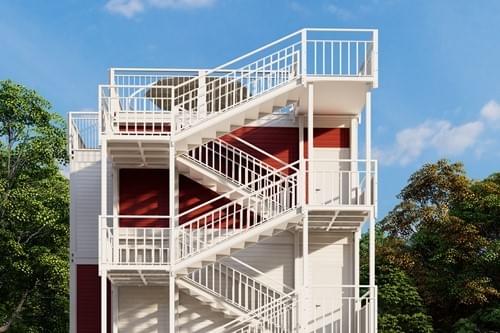
When diving into the world of prefab homes, understanding the cost is crucial. The cost of prefab homes can vary significantly based on multiple factors, including location, design, and materials used. By breaking down these elements, prospective homeowners can make informed decisions about their modular dream.
Several factors play a role in determining the cost of prefab homes. First and foremost is the size and complexity of the modular house; larger structures with intricate designs typically come with a higher price tag. Additionally, geographical location affects costs due to varying labor rates and material availability—building a modular structure in a remote area might increase transportation expenses.
Another key factor influencing pricing is customization options; while basic models may be affordable, adding unique features or upgrades can quickly elevate prefab construction costs. Furthermore, local building codes and regulations may necessitate additional expenses for compliance—something often overlooked when budgeting for prefabricated homes cost. Ultimately, understanding these influences helps buyers navigate their options more effectively.
When comparing prefab homes to traditional construction methods, it's essential to consider both upfront costs and long-term value. Generally speaking, modular construction tends to be more economical than conventional building techniques due to reduced labor time and streamlined manufacturing processes. This means that you could potentially save thousands on your modular home compared to a site-built counterpart.
However, it's important not to solely focus on initial expenses; long-term maintenance and energy efficiency should also factor into your decision-making process. While traditional houses may require ongoing upkeep that can add up over time, many modern prefab structures are designed with sustainability in mind—potentially leading to lower utility bills down the road. Ultimately, weighing these considerations will help you understand if prefabricated homes cost aligns with your financial goals.
While many people are drawn to the affordability of prefab houses, hidden costs can sometimes lurk beneath the surface like an unsuspecting pothole on an otherwise smooth road. One common oversight involves site preparation; clearing land or leveling terrain before installation can incur significant expenses that aren't always factored into initial quotes for modular structures.
Additionally, transportation fees for delivering your prefabricated home components should never be underestimated—especially if you're located far from manufacturing facilities or have unique logistical challenges (like narrow roads). Finally, don't forget about potential financing fees or insurance premiums that could arise during your journey toward owning a modular house; they might not seem like much at first but can accumulate quickly over time.

Prefab homes come in various shapes, sizes, and styles, each catering to different preferences and budgets. Understanding the distinctions among these types can help potential homeowners make informed decisions about their future living spaces. From modular houses to container homes, the world of prefab construction offers innovative solutions for modern living.
Modular homes are a type of prefab construction that involves assembling pre-manufactured sections or modules at a building site. These modular structures are built in controlled factory environments, ensuring quality and efficiency while minimizing waste and delays associated with traditional construction methods. The cost of prefab homes can vary based on design complexity, materials used, and local regulations; however, many find that modular houses offer significant savings compared to traditional builds.
One of the appealing aspects of modular homes is their customization options. Homebuyers can choose from a variety of layouts and finishes to create a space that reflects their personal style while keeping an eye on the overall prefab house cost. Additionally, since these homes are constructed off-site, they often experience quicker build times than conventional houses—meaning you could be settling into your new abode sooner than expected!
When discussing types of prefab homes, it's essential to clarify the difference between manufactured homes and mobile homes. While both categories fall under the umbrella of prefabricated housing, manufactured homes are built according to federal standards set by HUD (Housing and Urban Development), whereas mobile homes were constructed before these standards were established in 1976. Today’s manufactured structures are designed with improved safety features and energy efficiency in mind.
The cost associated with manufactured housing is generally lower than traditional site-built options due to streamlined production processes; however, it’s crucial for buyers to consider long-term factors such as property value depreciation when examining prefabricated homes cost. Mobile homes may still hold some appeal for those seeking affordable housing solutions but tend to have more limitations regarding financing options and land ownership compared to newer manufactured models. Ultimately, understanding these differences allows prospective homeowners to choose what best suits their needs.
Container homes have gained popularity as an eco-friendly alternative within the realm of prefab living—turning old shipping containers into stylish dwellings is not only creative but also sustainable! These unique modular structures boast durability while offering endless design possibilities for those looking for something out-of-the-ordinary without breaking the bank on prefab construction costs. Plus, they provide excellent insulation properties when properly modified.
The initial investment for container houses may appear lower than traditional builds; however, it's essential to consider factors like site preparation or modifications needed for plumbing and electrical systems when calculating overall expenses related to prefabricated home projects. Many homeowners appreciate the charm that comes from repurposed materials combined with contemporary design elements—making container living an attractive option for environmentally conscious individuals seeking affordable housing solutions without sacrificing style or comfort!
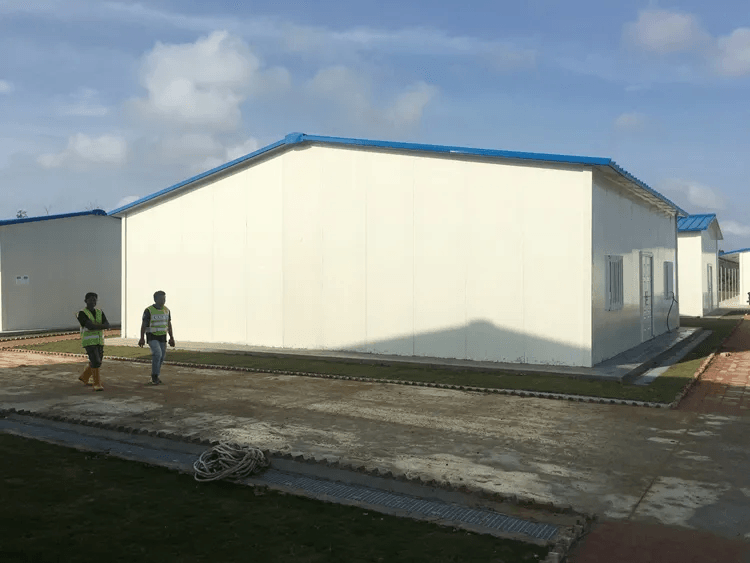
Financing your prefab dream can feel like navigating a maze of options, but fear not! With the right information, you can find a path that leads to your modular home oasis. Understanding the cost of prefab homes and how to fund them is essential for turning your vision into reality.
When it comes to financing a modular home, there are several common options available. Traditional mortgages are often applicable for modular structures, allowing buyers to secure loans based on the projected value of the prefab construction once completed. Alternatively, personal loans or construction loans may be viable for those looking at smaller projects or unique financing situations, especially when considering the overall prefab house cost.
Another popular option is a FHA loan designed specifically for manufactured homes, which can help ease some financial burdens while offering lower down payment requirements. However, keep in mind that not all lenders are familiar with modular homes; therefore, it’s crucial to find one who understands the nuances of modular construction and prefabricated homes cost. Ultimately, choosing the right financing option can significantly impact your ability to afford and enjoy your new modular house.
Many prospective homeowners are pleasantly surprised by the availability of government incentives and grants aimed at promoting affordable housing solutions like prefab homes. Various state and federal programs offer financial assistance that could reduce the overall cost of prefab homes significantly. These incentives may include tax credits or grants for energy-efficient building practices often associated with modern modular structures.
Additionally, some regions provide subsidies specifically for first-time homebuyers seeking prefabricated homes or those willing to build in designated areas needing revitalization. By researching local programs and federal initiatives like USDA Rural Development loans or HUD's Title I Property Improvement Loan program, you might uncover opportunities that make owning a modular home more accessible than ever before. Don't overlook these potential savings as they could be pivotal in making your dream home a reality!
Securing a loan for your dream prefab house requires preparation and strategy—think of it as assembling your own DIY financing toolkit! Start by improving your credit score; lenders typically favor borrowers with strong credit histories when determining loan eligibility and interest rates—this will ultimately affect the overall cost of prefab homes over time. Additionally, gather all necessary documentation such as income statements and tax returns well ahead of time so you’re ready when it's time to apply.
It’s also wise to shop around for lenders who specialize in modular construction; their familiarity with these unique properties can streamline the approval process significantly compared to traditional mortgage providers unfamiliar with prefabricated structures. Lastly, don’t hesitate to negotiate terms; every dollar saved on interest contributes directly toward reducing your overall investment in this exciting venture into modern living!
Getting a prefab home off the ground—literally and figuratively—can be an exciting journey. Understanding the installation process is crucial for anyone considering modular construction. After all, the cost of prefab homes isn’t just about purchasing; it’s also about how smoothly everything comes together once the pieces arrive.
When your modular house finally arrives, you can expect a well-orchestrated setup that’s both efficient and impressive. Typically, the major components of your prefab construction will be delivered on trucks and assembled on-site within days, not weeks. This rapid timeline can significantly reduce labor costs compared to traditional building methods, making it an attractive option for those concerned about overall prefab house cost.
During installation, you'll see skilled crews working diligently to ensure that each modular structure fits together seamlessly. They’ll handle everything from securing the foundation to connecting utilities like electricity and water, ensuring your new home is ready for you in no time. While this process is generally straightforward, it's wise to stay informed and involved so you can understand any potential additional costs that might arise.
Partnering with a reputable company like 9States Shanghai Modular Building can make all the difference in your modular home experience. They specialize in high-quality prefabricated homes and have extensive knowledge of local regulations and zoning laws, which can help streamline your project significantly. Their expertise not only ensures compliance but also helps you avoid hidden pitfalls that could lead to unexpected increases in your overall costs.
Communication is key when working with any construction team; 9States emphasizes transparency throughout the entire installation process. You’ll receive regular updates on progress and any challenges encountered along the way—keeping surprises at bay! This proactive approach helps mitigate issues before they escalate into costly delays or redesigns.
While installing a modular home is usually more efficient than traditional building methods, there are still some common challenges that can arise during this phase of construction. Weather conditions are one factor; rain or high winds can delay delivery or assembly timelines, potentially impacting your budget if you’re not prepared for these hiccups in schedule and cost of prefab homes. Additionally, site preparation must be meticulously planned; any unforeseen issues with land grading or access roads could lead to increased expenses.
Another challenge involves coordinating between various contractors who may be involved in different aspects of the installation process—from electricians to plumbers—and ensuring they’re all on the same page regarding timelines and expectations. Miscommunication here could result in overlapping schedules or delays that affect overall project completion timeframes as well as budget considerations related to prefabricated homes cost.
Being aware of these potential hurdles allows you to plan better and allocate resources wisely so that when it’s time for installation day, everything goes off without a hitch!
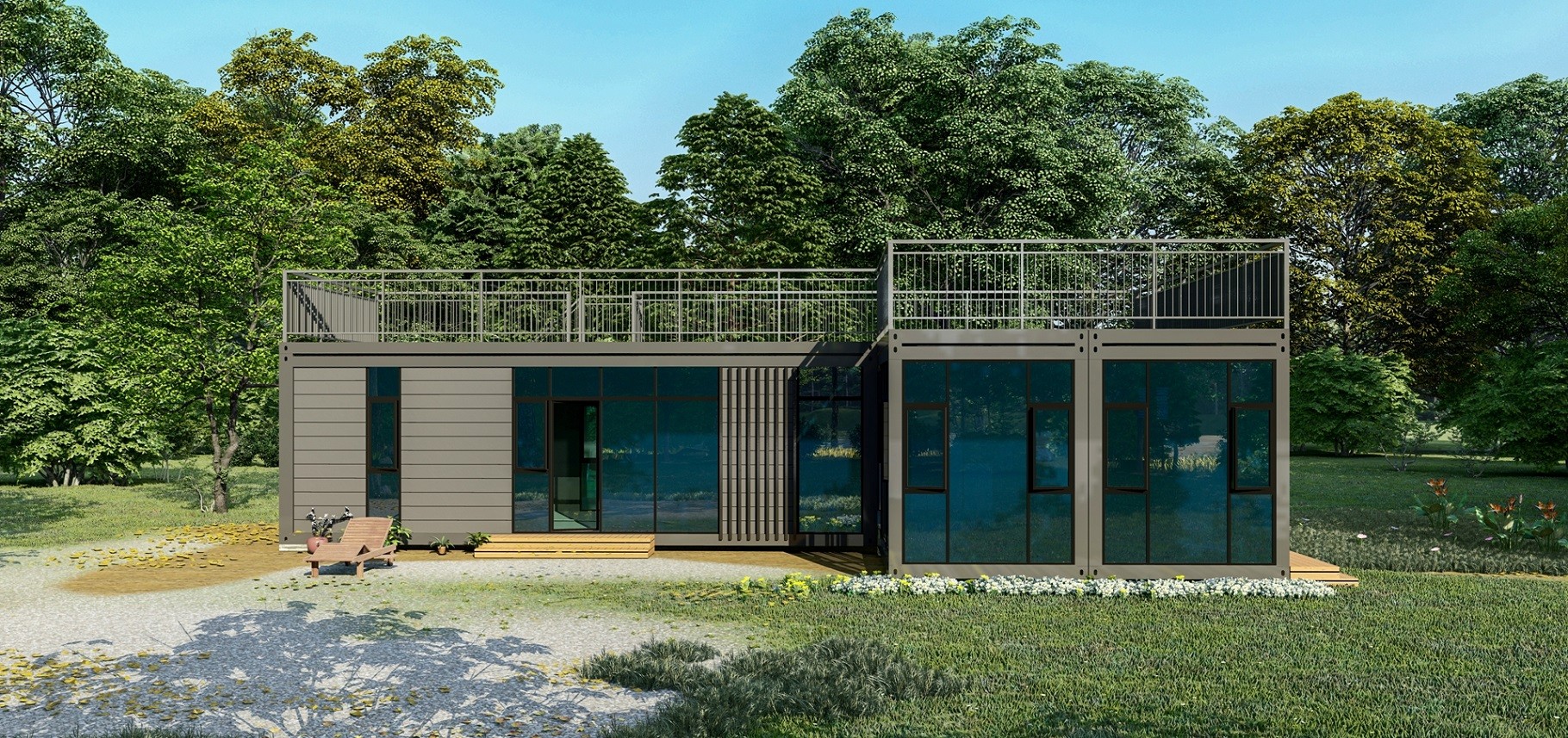
Personalizing your prefab home can be as simple or elaborate as you desire. You can choose everything from the exterior finish and roofing materials to interior layouts that fit your lifestyle perfectly. This level of customization not only enhances the livability of your space but also ensures that your modular structures reflect your personal style, making it truly feel like home.
While customizing a modular home is thrilling, it's essential to keep an eye on the cost of prefab homes during the process. High-end finishes and unique features can quickly add up, potentially pushing you beyond your budget if you're not careful. Therefore, balancing cost and design becomes crucial; prioritize what matters most to you while being mindful of how each choice impacts the overall prefab house cost.
When considering upgrades for prefabricated homes, some features consistently top homeowners' wish lists. Energy-efficient appliances, open floor plans, and smart home technology are popular choices that enhance both functionality and aesthetics in modular homes. These upgrades not only improve daily living but can also lead to long-term savings—making them worthwhile investments in terms of both comfort and cost-effectiveness.
As you reach the end of this exploration into prefab homes, it's essential to weigh the cost of prefab homes against their value. While the upfront investment in a modular home can sometimes be higher than traditional options, the benefits often outweigh these initial expenses. The efficiency of modular construction, combined with modern design possibilities, makes it a compelling choice for many.
When evaluating the cost of prefab homes, it's important to consider what you're getting in return. Modular structures are designed with precision and built off-site, which often translates to fewer delays and reduced labor costs compared to traditional builds. Additionally, many prefabricated homes come with energy-efficient features that can lead to significant savings over time, enhancing their overall value.
Investing in a modular house can lead to substantial long-term savings that aren't always evident at first glance. The prefabricated homes cost may seem daunting initially; however, lower utility bills and maintenance costs contribute positively to your budget over time. Moreover, many modular constructions are built using sustainable materials and techniques that not only save you money but also benefit the environment.
Ultimately, deciding if a prefab home is right for you hinges on personal preferences and financial considerations. If you're looking for a customizable living space that offers speedier construction times without sacrificing quality or aesthetics, then modular construction might be your best bet. On the other hand, if traditional methods resonate more with your vision of homeownership—complete with all its quirks—then perhaps sticking with conventional builds is the way to go.
 How to Install a Modular Container Home: A Step-by-Step Construction Guide
 How Modular Container Hospitals Are Delivering Healthcare to Underserved Regions: A Practical Guide
 How Modular Container Hotels Are Redefining Hospitality in Remote Destinations
 What Makes Flat-Pack Container Homes a Smart Choice for Remote Areas: A Complete Technical Breakdown
