
In the realm of modern construction, PEB structures have emerged as a game changer, redefining how we think about building design and efficiency. Short for Pre-Engineered Buildings, these innovative structures are crafted using a combination of steel and other materials, providing durability and flexibility that traditional methods simply can't match. As we delve deeper into PEB structure design, it becomes clear that understanding what PEB stands for in construction is just the beginning of a fascinating journey.
PEB structures are designed to be both cost-effective and time-efficient, which is crucial in today's fast-paced construction landscape. They consist of pre-fabricated components that are manufactured off-site and assembled on location, drastically reducing construction time compared to traditional methods. The PEB file structure plays a significant role in this process by allowing for precise planning and execution—ensuring that every piece fits perfectly when it arrives at the job site.
One of the standout advantages of using PEB structures is their ability to minimize labor costs while maximizing structural integrity. Unlike conventional building techniques such as RCC (Reinforced Cement Concrete), where extensive labor is required on-site, PEB allows for quicker assembly with less manpower needed. Additionally, what is the difference between PEB and RCC? Simply put: while RCC provides strength through concrete mass, PEB offers lightweight yet robust solutions that can be tailored to specific needs.
The increasing demand for sustainable building practices has fueled the popularity of PEB structures across various industries—from warehouses to commercial buildings. With their reduced environmental impact and energy efficiency, it's no wonder more developers are opting for this modern approach over traditional methods like RCC or even standard steel frameworks. As we explore further into topics such as peb structure cost and the significance of windows in these designs, it's evident that the future looks bright for Pre-Engineered Buildings.

PEB, or Pre-Engineered Building, structure design is a modern approach to constructing buildings that are pre-manufactured in a factory setting before being assembled on-site. This method significantly reduces construction time and costs while ensuring high-quality standards. The importance of PEB lies in its ability to provide flexible and scalable solutions for various construction needs, making it a popular choice in today’s fast-paced building environment.
When we talk about PEB structure design, we're referring to an innovative framework that combines efficiency with versatility. What does PEB stand for in construction? It stands for Pre-Engineered Building, which highlights the emphasis on advanced engineering techniques and prefabrication. The importance of this approach cannot be overstated; it allows builders to save time and resources while delivering structures that meet specific client requirements.
PEB structures find their place in a variety of applications across different industries. Common uses include warehouses, manufacturing facilities, sports complexes, and retail spaces—essentially anywhere that requires large open areas without intrusive columns or supports. The adaptability of the PEB structure makes it ideal for businesses looking to optimize their space efficiently while minimizing construction disruptions.
Understanding the PEB file structure is crucial for anyone involved in the design and implementation of these buildings. The file structure typically includes detailed specifications such as architectural drawings, structural calculations, and material lists tailored specifically for each project’s unique needs. What is the difference between PEB and RCC? While RCC (Reinforced Cement Concrete) relies heavily on site-cast methods requiring extensive labor and time, the streamlined nature of the PEB file structure allows for quicker project turnaround times.

When delving into the world of construction, particularly when discussing modern building techniques, you may come across the term PEB. This acronym stands for Pre-Engineered Building, which refers to a structure that is designed and manufactured in a factory setting before being assembled on-site. Understanding what PEB stands for in construction is crucial as it lays the groundwork for appreciating its advantages over traditional building methods.
PEB structures are designed with efficiency and adaptability in mind. The term pre-engineered indicates that many components of the building are pre-fabricated, allowing for faster assembly and reduced labor costs on-site. This innovative approach leads to a more streamlined construction process, making PEB structure design an attractive option for various projects.
The concept of pre-engineered buildings isn't new; it has evolved significantly since its inception in the mid-20th century. Initially, these structures were primarily used for industrial purposes, but their versatility has led to widespread adoption across diverse sectors such as commercial spaces, warehouses, and even residential homes. As we explore what does PEB stand for in construction today, it's important to recognize how historical advancements have shaped its current applications.
In today's fast-paced construction landscape, PEB plays a pivotal role by meeting the demand for sustainable and efficient building solutions. With growing awareness around environmental impact and resource conservation, many developers are turning to pre-engineered buildings as a way to minimize waste while maximizing functionality. Additionally, understanding what is the difference between PEB and RCC (Reinforced Cement Concrete) highlights how modern trends favor flexibility and speed—qualities that define PEB structures.
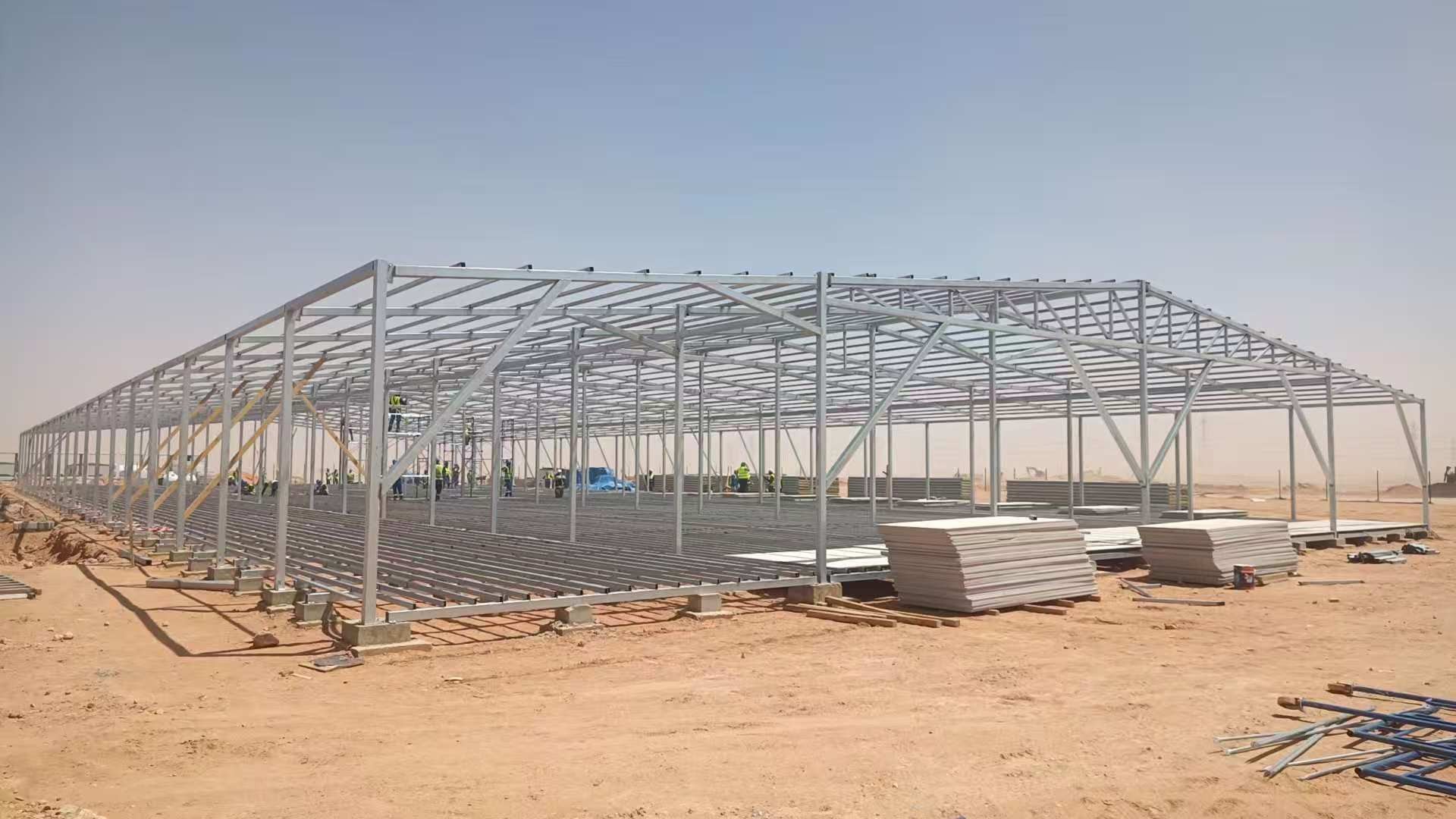
When it comes to construction, the choice between Pre-Engineered Building (PEB) structures and Reinforced Cement Concrete (RCC) can be a pivotal one. Both methods have their unique advantages, yet they cater to different needs and preferences in the building industry. Understanding what does PEB stand for in construction and how it contrasts with RCC is essential for making an informed decision.
The primary difference between PEB and RCC lies in their structural design and materials used. PEB structures are typically made from steel components that are prefabricated off-site, allowing for quick assembly on-site, whereas RCC involves pouring concrete into molds, which can be time-consuming. Additionally, the PEB file structure allows for greater flexibility in design options compared to the more rigid forms of traditional RCC.
Another notable distinction is weight; PEB structures tend to be lighter than their reinforced concrete counterparts, which can significantly impact foundation requirements and overall project costs. This difference also contributes to faster construction times for PEB projects when compared to traditional methods like RCC. Furthermore, while both types of structures offer durability, the longevity of a well-designed peb structure often surpasses that of standard reinforced concrete due to its resistance to various environmental factors.
One of the standout advantages of using a peb structure is its cost-effectiveness over time. The initial investment may seem comparable or even higher than an RCC project; however, when factoring in reduced labor costs and quicker completion times associated with pre-engineered designs, many find that peb structure cost ultimately leads to savings in overall expenses. Moreover, maintenance costs tend to be lower since steel components are generally easier to repair or replace than extensive concrete systems.
Flexibility is another key benefit; with a well-planned PEB structure design, modifications or expansions can be carried out with minimal disruption compared to traditional buildings that require significant alterations during renovation phases. This adaptability makes it easier for businesses or organizations looking for scalable solutions as their needs evolve over time. Additionally, aesthetic considerations can also favor PEB structures since they allow for innovative designs that incorporate large open spaces without compromising structural integrity.
Choosing between a peb structure and an RCC system often depends on specific project requirements such as budget constraints, timeline expectations, and intended use of the building space. If rapid construction is a priority—perhaps due to seasonal demands or market conditions—opting for a pre-engineered building will likely yield better results than waiting on lengthy concrete curing processes associated with traditional methods like RCC.
Furthermore, if your project requires large spans free from columns—think warehouses or manufacturing facilities—a peb structure shines due to its inherent design capabilities utilizing structural steel components effectively without compromising strength or safety standards. On the other hand, if you’re working within strict regulations regarding thermal mass or fire resistance where reinforced concrete might excel due to its inherent properties—then choosing an RCC approach could make more sense despite its longer build time.
In conclusion, understanding what is the difference between PEB and RCC helps stakeholders make informed decisions based on their unique circumstances while considering factors like cost efficiency and design flexibility essential in modern construction practices.
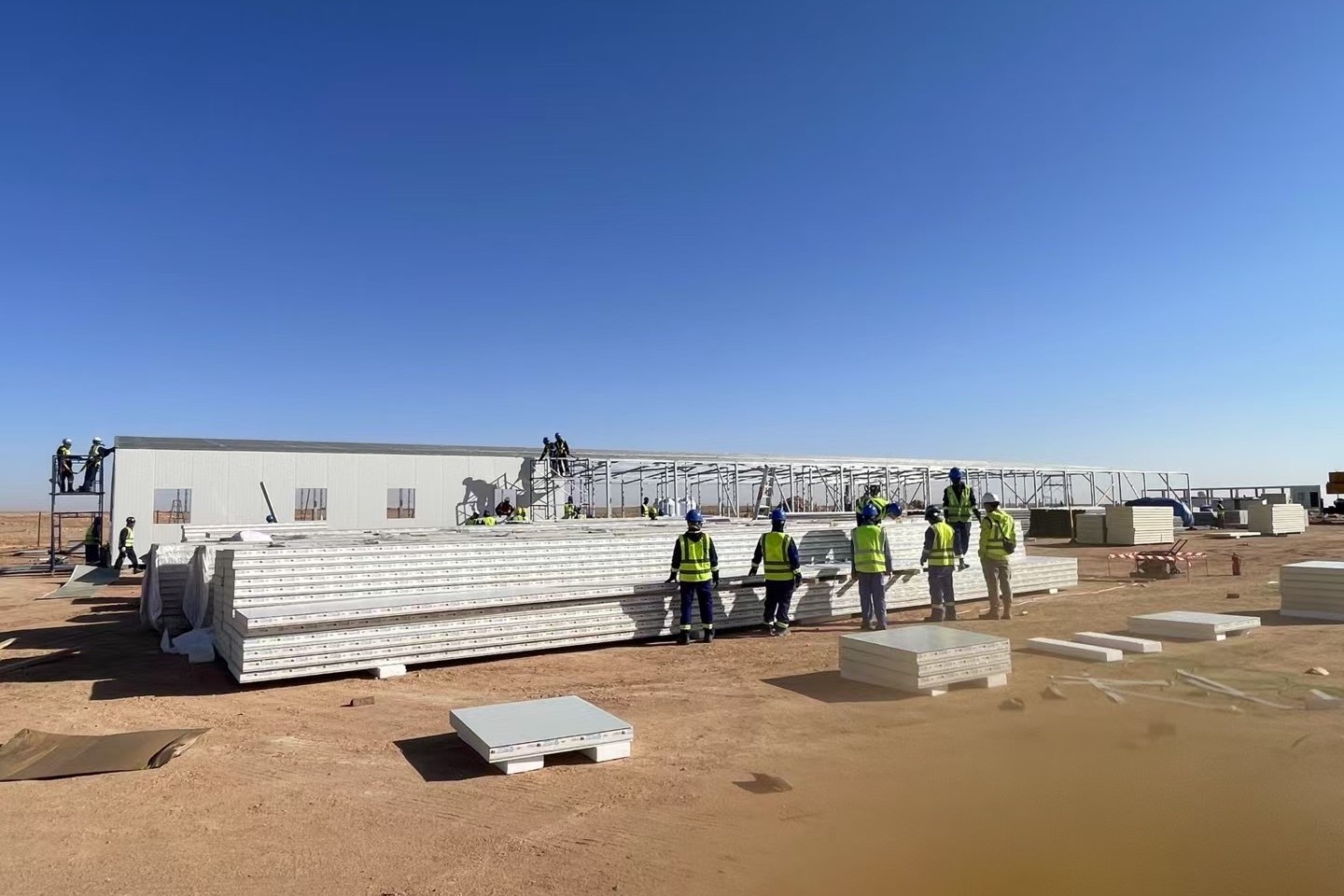
When considering a PEB structure, understanding the costs involved is crucial for any construction project. The cost of a PEB structure can vary significantly based on various factors, including design complexity, material choices, and site conditions. Therefore, it’s essential to analyze these elements carefully to ensure you stay within budget while achieving your desired outcome.
Several factors influence the cost of a PEB structure, making it vital to consider them during the planning phase. First and foremost is the design complexity; intricate designs often require more materials and labor, driving costs up. Additionally, local labor rates, availability of materials, and even transportation costs can impact the overall price—especially if your project requires specialized components or finishes.
Another significant factor is the size and scale of the project; larger structures typically benefit from economies of scale but may also present unique challenges that could increase expenses. Furthermore, site conditions play a role; challenging terrains or existing infrastructure can lead to additional costs in preparation or foundation work. Understanding these factors helps clarify what you might expect when budgeting for your PEB structure.
When comparing PEB structure cost with traditional construction methods like RCC (Reinforced Cement Concrete), it's apparent that there are notable differences in pricing dynamics. Generally speaking, PEB structures tend to be more cost-effective due to reduced labor requirements and shorter construction timelines—meaning faster returns on investment for business owners looking to get their facilities up and running quickly.
However, while initial costs may favor PEB structures, ongoing maintenance expenses should also be considered over time. Traditional methods like RCC might offer durability but often come with higher long-term upkeep costs due to potential cracking or material degradation over time—factors that can make a significant difference in total ownership cost when comparing what does PEB stand for in construction?
In summary, while both options have their merits depending on specific project goals and contexts, many find that opting for a well-designed PEB structure offers an attractive balance between upfront savings and long-term performance.
Budgeting effectively for your PEB structure means taking into account not only initial construction costs but also future expenses associated with maintenance and operation. Start by gathering estimates based on design specifications—be sure to involve contractors experienced in PEB structure design, as they will provide insights into realistic pricing tailored specifically for your needs.
It's wise to include contingency funds within your budget since unexpected issues can arise during construction that may necessitate additional spending—think of it as insurance against surprises! Additionally, consider potential financing options; many companies offer tailored solutions designed specifically for projects involving innovative building techniques like those found in modern PEB structures.
Lastly, don’t forget about windows! Properly budgeting for high-quality windows can enhance energy efficiency while improving aesthetics—a key feature contributing positively towards overall satisfaction with your new facility's performance over its lifespan.

When we talk about PEB structures, the role of steel cannot be overstated. Steel serves as the backbone of these innovative constructions, providing strength and durability that traditional materials often struggle to match. The integration of structural steel in PEB structure design not only enhances stability but also allows for greater flexibility in architectural layouts.
In PEB structures, steel is used extensively to create frames that support roofs and walls, enabling large open spaces without the need for excessive internal columns. This design feature is particularly advantageous for industrial buildings and warehouses where unobstructed floor space is paramount. Additionally, the use of steel contributes to a lighter overall structure compared to traditional materials, which can significantly reduce foundation costs.
Using structural steel in PEB offers several advantages that make it an attractive choice for modern construction projects. Firstly, it allows for faster construction times due to prefabrication processes; components can be manufactured off-site and quickly assembled on location. Secondly, structural steel is highly resistant to environmental factors such as corrosion and fire, ensuring longevity and safety—key considerations when assessing peb structure cost.
Moreover, the aesthetic versatility of structural steel means that architects can design visually striking buildings while maintaining functionality. With options ranging from sleek modern designs to more traditional appearances, using structural steel in a PEB structure enables creativity without sacrificing performance.
Understanding what does PEB stand for in construction requires recognizing its relationship with structural steel; however, it's essential to clarify their differences as well. While PEB refers specifically to pre-engineered buildings designed with efficiency in mind—often utilizing a combination of materials—structural steel pertains solely to the metal framework used within those buildings or any other construction project.
In essence, all pre-engineered buildings may use structural steel as a primary component; however, not all structures made from structural steel are classified as pre-engineered buildings (PEBs). This distinction highlights how a peb structure leverages various materials while primarily focusing on rapid assembly and customization tailored to client needs.

Windows are not just openings in walls; they are essential elements of PEB structures that enhance both functionality and aesthetics. In the context of PEB structure design, windows play a pivotal role in natural lighting, ventilation, and the overall energy efficiency of the building. Understanding the significance of PEB structure windows can help you make informed decisions about your construction project.
PEB structure windows are specifically designed for pre-engineered buildings (PEBs), which typically feature a steel frame and other prefabricated components. These windows are engineered to fit seamlessly into the unique architecture of PEBs while adhering to safety standards and energy regulations. When asking What does PEB stand for in construction?, it’s crucial to recognize that these specialized windows contribute significantly to the overall performance and comfort of a building.
The functionality of windows in a PEB structure goes beyond mere aesthetics; they serve vital purposes such as allowing light into the space, providing ventilation, and improving energy efficiency by reducing reliance on artificial lighting. A well-placed window can transform an otherwise utilitarian space into an inviting environment that enhances productivity and well-being. Additionally, aesthetic considerations like window style, size, and placement can elevate the visual appeal of your building, making it stand out from traditional buildings constructed with methods like RCC (Reinforced Cement Concrete).
When designing windows for a PEB structure, several best practices should be considered to maximize their benefits. First, consider using high-performance glazing options that improve thermal insulation while allowing natural light to flood in—this is especially important when budgeting for your peb structure cost since energy-efficient solutions can save money long-term. Second, ensure that window placement aligns with building orientation for optimal sunlight exposure throughout different times of day; this will also help mitigate issues related to glare or overheating inside your space.

In the ever-evolving landscape of construction, PEB structures are emerging as a game-changer. Their innovative design and efficiency not only meet modern demands but also pave the way for future developments in architectural practices. As we look ahead, it’s clear that PEB will play a pivotal role in shaping sustainable and cost-effective building solutions.
The future of PEB structures in construction is bright, with ongoing advancements in technology and materials. As industries seek faster build times and lower costs, understanding what does PEB stand for in construction becomes increasingly essential. Moreover, the integration of smart technologies into PEB structure design promises to enhance both functionality and energy efficiency, making them even more appealing to developers.
When selecting a partner for your PEB projects, 9States stands out as a top choice due to its expertise and commitment to quality. Our team understands the nuances of peb structure cost management while ensuring that every project meets stringent standards. With our extensive experience in handling various applications—ranging from industrial buildings to commercial spaces—you can trust us to deliver exceptional results tailored specifically for your needs.
In summary, PEB structures offer numerous advantages over traditional building methods such as RCC or conventional steel frameworks. Understanding what is the difference between PEB and RCC can help you make informed decisions about your construction projects based on cost-effectiveness and structural integrity. Additionally, knowing what is the difference between PEB and structural steel can clarify why many builders opt for these versatile designs—especially when considering factors like weight savings and ease of installation.
 9States Delivers Fast-Assembly Modular Offices for Shanghai Xuhui Urban Greening Company
 Container Houses vs Traditional Construction: 7 Reasons Modular Buildings Are Reshaping the Industry in 2026
 9States Welcomes Paraguayan and Brazilian Delegation: A New Chapter for Modular Buildings in South America
 Container Houses vs Traditional Construction: 2026 Cost, Time and Sustainability Comparison
