
In the ever-evolving landscape of construction, pre-engineered buildings (PEBs) have emerged as a game-changer, offering a blend of efficiency and versatility. So, what is a pre-engineered building? Essentially, it refers to structures that are manufactured off-site in a factory setting and then assembled on location. This approach not only quickens the construction timeline but also allows for greater customization while maintaining cost-effectiveness.
Pre-engineering represents a shift from traditional methods, allowing for innovative designs that cater to specific needs. What is the difference between PEB and RCC? While reinforced cement concrete (RCC) structures are built on-site using concrete and steel reinforcements, PEBs are prefabricated components that can be rapidly deployed. This distinction highlights the advantages of pre-engineering in terms of speed and adaptability.
The manufacturing sector plays a pivotal role in driving economic growth, particularly in regions like Saudi Arabia where diversification efforts are underway. By investing in pre-engineered steel buildings, Saudi Arabia aims to enhance its industrial capabilities while reducing dependency on oil revenues. The emergence of various pre-engineered buildings companies in Saudi Arabia underscores this commitment to modern construction practices.
Saudi Arabia's construction industry is witnessing significant transformation fueled by urbanization and population growth. With increasing demand for commercial spaces and residential projects, understanding the meaning of pre-engineering becomes crucial for stakeholders looking to capitalize on market opportunities. Moreover, analyzing pre engineering building costs reveals that these solutions can often provide substantial savings compared to conventional methods.

Pre-engineered buildings (PEBs) have revolutionized the construction landscape, especially in regions like Saudi Arabia, where rapid development is a priority. These structures are designed and fabricated off-site before being transported to the construction site for assembly. This innovative approach not only enhances efficiency but also significantly reduces construction time and costs.
So, what is a pre-engineered building? Essentially, it's a building system that involves the manufacturing of components in a factory setting before they are shipped to the site for quick assembly. Key features of PEBs include their lightweight steel frames, customizable designs, and modular components that allow for easy expansion or modification as needed.
The difference between PEB and RCC (Reinforced Cement Concrete) structures lies primarily in their materials and construction methods. While RCC buildings rely on concrete poured on-site, pre-engineered steel buildings utilize prefabricated elements that can be assembled rapidly with minimal labor. This distinction highlights the versatility and efficiency of pre-engineering in modern construction.
The benefits of pre-engineering are numerous, making it an attractive option for many developers. First off, pre-engineering building cost is often lower than traditional methods due to reduced labor requirements and shorter project timelines. Additionally, these buildings can be designed with sustainability in mind by incorporating energy-efficient materials and practices.
Another advantage is the high level of quality control achieved during manufacturing since components are produced in controlled environments rather than exposed to unpredictable weather conditions on-site. This leads to fewer defects and enhanced durability over time—qualities that are particularly important in harsh climates like those found in Saudi Arabia.
Pre-engineered buildings find applications across numerous sectors due to their versatility and adaptability. From industrial warehouses to commercial complexes, these structures cater to diverse needs while maintaining aesthetic appeal. Notably, companies specializing in pre-engineered buildings in Saudi Arabia have been instrumental in delivering tailored solutions that meet specific client requirements.
Moreover, PEBs are increasingly being utilized for educational institutions, healthcare facilities, and even residential projects due to their swift construction capabilities without compromising safety or quality standards. As urbanization continues to rise within Saudi Arabia's booming economy, the demand for efficient building solutions like pre-engineered steel buildings will only grow stronger.
The manufacturing process of pre-engineered buildings (PEBs) in Saudi Arabia is a blend of local resources and modern techniques. Understanding how this process unfolds is crucial for grasping the significance of PEBs in the construction landscape. From sourcing materials to assembly, every step is designed to enhance efficiency and reduce costs.
Saudi Arabia boasts a wealth of local materials that are pivotal in the production of pre-engineered buildings. The availability of steel, concrete, and other essential resources significantly impacts the overall cost and quality of PEBs. By utilizing these local materials, companies can not only lower their pre-engineering building costs but also support the national economy through reduced import dependency.
Moreover, leveraging local resources allows for quicker turnaround times during construction projects. This approach aligns with the growing demand for sustainable practices within the industry, as it minimizes transportation emissions associated with importing materials. Ultimately, using locally sourced materials enhances both economic viability and environmental responsibility.
9States Shanghai Modular Building Co., Ltd. plays a pivotal role in advancing the production of pre-engineered steel buildings in Saudi Arabia. This company specializes in designing and manufacturing innovative PEB structures tailored to meet local needs while adhering to international standards. Their expertise not only elevates the quality of construction but also contributes to establishing a strong foundation for future developments within the region.
Furthermore, 9States emphasizes collaboration with local contractors to ensure that their designs integrate seamlessly into existing frameworks and regulations. By fostering partnerships with various stakeholders, they enhance project efficiency while promoting best practices across all phases of construction. As one of several pre-engineered buildings companies in Saudi Arabia, their contributions are setting benchmarks for quality and reliability.
Quality control measures are indispensable when it comes to manufacturing pre-engineered buildings that stand the test of time. Stringent inspection protocols at every stage—from material selection to final assembly—ensure that each component meets high-performance standards. This rigorous attention to detail helps differentiate PEBs from traditional reinforced concrete constructions (RCC), ultimately leading to superior durability and safety.
Additionally, adopting advanced technologies such as automated testing equipment allows manufacturers like 9States Shanghai Modular Building Co., Ltd. to maintain consistency throughout their processes while minimizing human error. Regular audits further reinforce compliance with industry regulations and safety standards—essential factors when considering what is a PEB structure? With these robust quality control measures in place, stakeholders can confidently invest in pre-engineering solutions knowing they adhere to exceptional standards.
In conclusion, understanding the manufacturing process behind pre-engineered buildings reveals an intricate dance between local resources, innovative companies like 9States Shanghai Modular Building Co., Ltd., and stringent quality control measures—all working together towards enhancing Saudi Arabia's construction landscape.
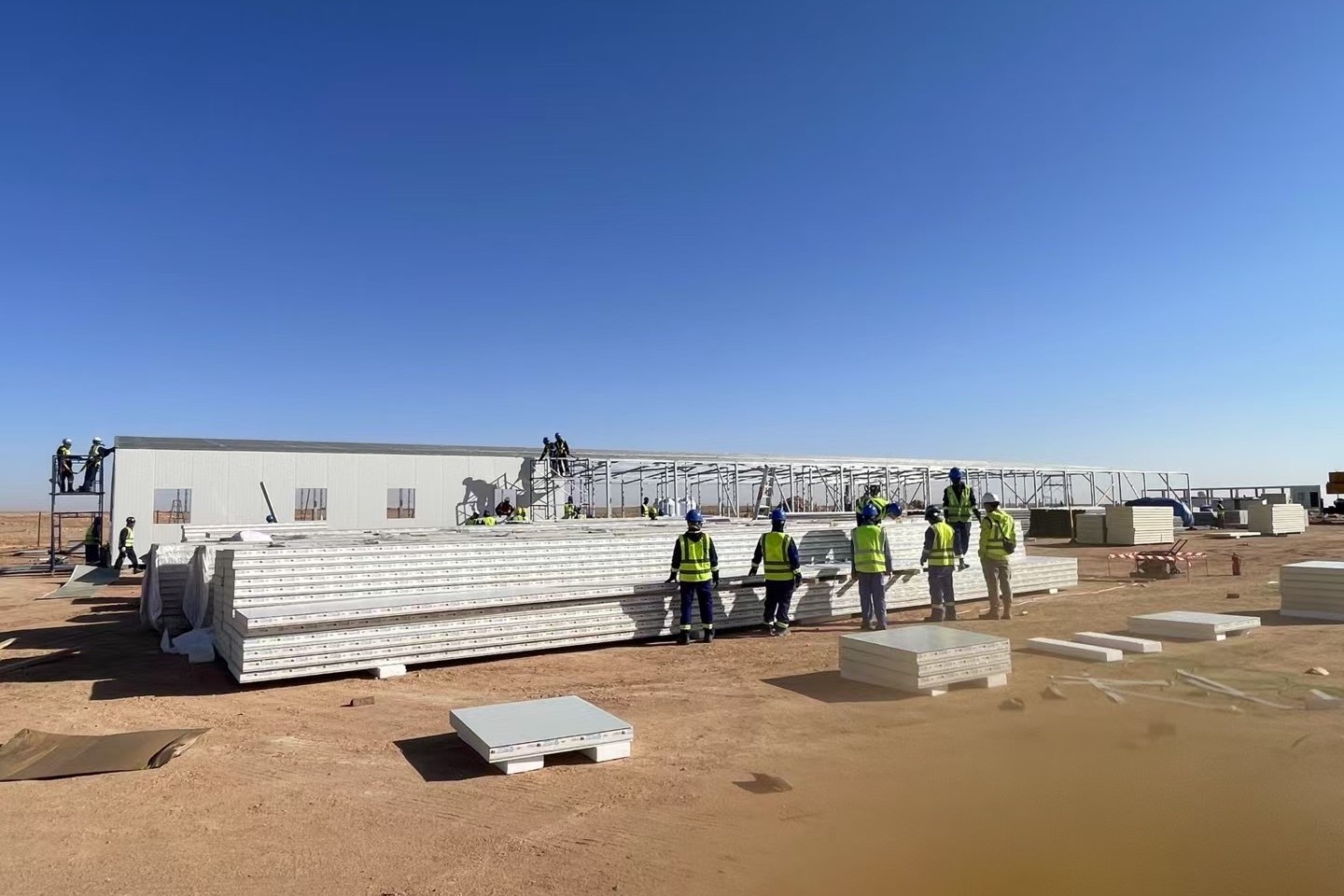
The demand for pre-engineered buildings (PEBs) is on the rise, driven by various factors that highlight their advantages in the construction landscape. As industries seek faster and more efficient building solutions, pre-engineering is becoming a go-to choice. With a growing emphasis on cost-effectiveness and sustainability, understanding what a pre-engineered building entails is crucial for stakeholders in Saudi Arabia's booming construction sector.
The construction industry in Saudi Arabia has witnessed remarkable growth trends over the past few years, with pre-engineering playing a pivotal role in this evolution. Increasingly, developers are asking, What is a PEB structure? as they look to capitalize on the benefits of speed and efficiency these buildings offer. The difference between PEB and RCC (Reinforced Cement Concrete) lies not only in construction time but also in overall costs—making pre-engineered buildings an attractive option for many projects.
Moreover, as urbanization accelerates within the kingdom, there’s an urgent need for structures that can be erected quickly without compromising quality. This has led to rising investments from pre-engineered buildings companies in Saudi Arabia that specialize in delivering tailored solutions to meet diverse needs. Consequently, the market demand for pre-engineering building solutions continues to expand alongside these growth trends.
Urbanization is reshaping cities across Saudi Arabia at an unprecedented pace, leading to increased demand for efficient construction methods like PEBs. The rapid influx of people into urban areas raises questions such as What is the meaning of pre engineering? It signifies a shift towards innovative practices that can accommodate growing populations while maintaining economic viability.
As cities expand and infrastructure needs evolve, pre-engineered steel buildings have emerged as ideal candidates to meet these challenges head-on. Their adaptability allows them to serve various functions—from warehouses to commercial spaces—making them essential amidst urban growth spurt demands. The synergy between urbanization and PEB technology highlights how critical it is for stakeholders to embrace modern building techniques.
Several key sectors are driving the demand for pre-engineered buildings across Saudi Arabia’s dynamic landscape. The industrial sector stands out prominently; companies are increasingly opting for PEBs due to their ability to streamline operations while keeping costs manageable—especially when considering factors like pre engineering building cost versus traditional methods like RCC.
Additionally, sectors such as logistics and retail have recognized the advantages of quick turnaround times afforded by using PEBs over conventional constructions methods—further fueling interest among investors and developers alike. As more businesses realize what a pre engineered building can do for operational efficiency and scalability, it's clear that this trend will only continue upwards.
In conclusion, with urbanization pushing boundaries and sectors demanding innovative solutions, the future looks bright for pre-engineered buildings in Saudi Arabia—a testament to their versatility and effectiveness within today’s competitive market landscape.
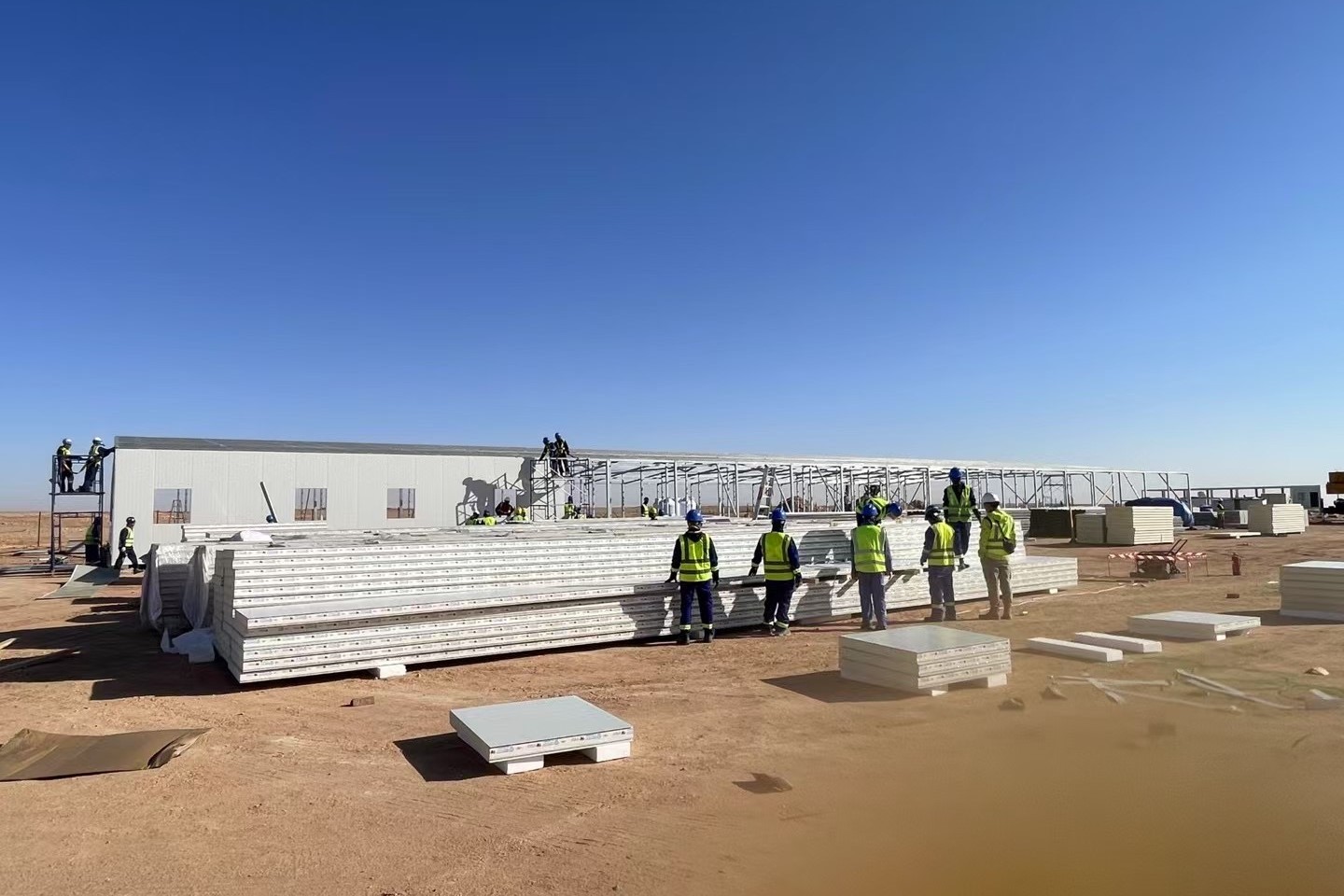
The manufacturing landscape for pre-engineered buildings (PEBs) is rapidly evolving, driven by modern techniques, sustainable materials, and technological advancements. As we delve into these innovations, it becomes clear how they enhance the efficiency, cost-effectiveness, and overall appeal of PEBs. Understanding these developments is crucial for stakeholders in Saudi Arabia's construction sector.
Modern techniques in pre-engineered building are revolutionizing the construction industry by offering streamlined processes that significantly reduce build times. One of the most notable advancements is the use of modular construction methods, which allow components to be fabricated off-site and assembled on-site with remarkable speed. This not only answers the question What is a pre-engineered building? but also highlights its efficiency compared to traditional methods like reinforced cement concrete (RCC).
Additionally, advanced software tools enable precise design and modeling of PEB structures before any physical work begins. This integration minimizes errors during construction and ensures that what you see on paper translates into reality seamlessly. When comparing PEB with RCC structures, it's evident that modern techniques give PEBs an edge in adaptability and customization.
Sustainability has become a buzzword across industries, including construction; thus, the use of sustainable materials in pre-engineering is gaining traction. Pre-engineered steel buildings in Saudi Arabia often incorporate recycled materials or sustainably sourced components to lessen environmental impact while maintaining structural integrity. This shift not only answers What is the meaning of pre engineering? but also aligns with global trends toward greener building practices.
Moreover, utilizing energy-efficient insulation materials contributes to lower energy costs over a building's lifetime—an important factor when considering pre engineering building cost versus traditional options. Companies specializing in pre-engineered buildings are increasingly focusing on eco-friendly practices to attract environmentally conscious clients while adhering to local regulations regarding sustainability.
Technology integration plays a pivotal role in enhancing efficiency within the realm of pre-engineering buildings. The implementation of Building Information Modeling (BIM) allows architects and engineers to collaborate more effectively throughout all phases—from design through construction—ensuring that everyone remains on the same page regarding project specifications and timelines.
In addition to BIM, automated machinery used during fabrication processes can significantly reduce labor costs while increasing precision—a win-win scenario for companies involved in producing PEBs! The difference between PEBs and traditional methods becomes stark when considering how technology streamlines workflows and minimizes waste.
As more firms emerge as key players among pre-engineered buildings companies in Saudi Arabia, embracing these technological advancements will be crucial for staying competitive within this growing market.

The pre-engineered building sector in Saudi Arabia faces several challenges that can hinder its growth and development. Understanding these obstacles is crucial for stakeholders aiming to thrive in this competitive market. From regulatory hurdles to supply chain limitations, each challenge presents unique implications for the future of pre-engineered buildings.
Navigating the regulatory landscape is a significant challenge for pre-engineered buildings companies in Saudi Arabia. The approval processes can be lengthy and complex, often requiring extensive documentation and compliance with local building codes. This can slow down project timelines, increasing costs associated with pre engineering building projects and ultimately impacting the overall efficiency of construction operations.
Moreover, what is the meaning of pre engineering if not to streamline processes? Unfortunately, regulatory constraints can complicate this goal by imposing additional layers of bureaucracy that manufacturers must navigate. As a result, many find themselves asking what is a PEB structure? It’s essential to understand how these regulations affect their ability to deliver timely and cost-effective solutions.
Another hurdle faced by the pre-engineered building industry is competition from traditional construction methods like reinforced cement concrete (RCC). While traditional methods have been relied upon for decades, they often come with longer construction times and higher labor costs compared to pre-engineered steel buildings Saudi Arabia offers. What is the difference between PEB and RCC? The latter may still be preferred by some clients due to familiarity or perceived reliability despite its drawbacks.
The ongoing battle between innovative techniques versus established practices creates an environment where manufacturers must continuously prove their value proposition. Pre engineering building cost advantages are often overshadowed by clients’ reluctance to shift from conventional methods they trust. Therefore, educating potential customers about the benefits of PEB structures becomes paramount in overcoming this competition.
Supply chain limitations also pose significant challenges for companies involved in manufacturing pre-engineered buildings in Saudi Arabia. Fluctuations in material availability can disrupt production schedules, leading to delays that undermine project timelines and increase costs unexpectedly. Additionally, sourcing local materials efficiently remains a priority; however, logistical issues often arise when trying to align supply with demand.
What is a pre engineered building without reliable components? If key materials are delayed or unavailable, it could lead companies down a path of increased expenses as they seek alternatives at higher prices or face extended lead times on orders. Consequently, understanding these limitations is essential for stakeholders looking to optimize their operations within this growing market segment.
As we wrap up our exploration of pre-engineered buildings, it's clear that they represent a significant shift in the construction landscape. The future of pre-engineered buildings is bright, thanks to their versatility and efficiency in meeting modern construction demands. With rising urbanization and a growing manufacturing sector, the potential for PEB structures to dominate the market is undeniable.
What is a pre-engineered building? It's a smart solution for modern architecture, combining speed, cost-effectiveness, and sustainability. As technology advances, innovations in design and materials will continue to enhance PEB capabilities, making them an attractive choice over traditional methods like RCC (Reinforced Cement Concrete). This evolution not only meets current needs but also anticipates future demands in various sectors.
The Kingdom of Saudi Arabia stands at a crossroads with its booming economy and ambitious Vision 2030 initiative. Pre-engineered steel buildings are increasingly recognized as a viable option to support rapid urbanization and infrastructural growth. Companies specializing in pre-engineering building solutions have ample opportunities to expand their offerings and cater to diverse industries—including commercial, industrial, and residential sectors—driving demand for innovative construction methods.
In conclusion, the manufacturing landscape surrounding pre-engineered buildings is ripe with potential. Understanding what is the difference between PEB and RCC can guide stakeholders toward making informed decisions that align with their project goals while keeping costs manageable. As more businesses explore pre-engineering building costs versus traditional methods, it becomes evident that investing in PEB structures may yield substantial long-term benefits.
 9States Delivers Fast-Assembly Modular Offices for Shanghai Xuhui Urban Greening Company
 Container Houses vs Traditional Construction: 7 Reasons Modular Buildings Are Reshaping the Industry in 2026
 9States Welcomes Paraguayan and Brazilian Delegation: A New Chapter for Modular Buildings in South America
 Container Houses vs Traditional Construction: 2026 Cost, Time and Sustainability Comparison
