In recent years, the concept of a modular warehouse office has gained significant traction among businesses seeking efficient and adaptable workspace solutions. As companies face evolving demands, the need for flexible environments has never been more critical. This guide will delve into the world of modular workspaces, exploring their benefits and how they can transform your operations.
The rise of modular warehouse offices is a testament to the changing landscape of modern business needs. These structures offer a practical solution to accommodate growing operations without the lengthy timelines associated with traditional construction. With an increasing number of businesses recognizing what a modular warehouse can offer, it’s clear that these innovative spaces are here to stay.
One of the standout advantages of modular workspaces is their cost-effectiveness compared to conventional options. Businesses can save time and resources with rapid installation processes while enjoying customizable designs tailored to specific requirements—after all, what is the standard size of a modular office? Modular office buildings provide flexibility that allows companies to adapt quickly as their needs evolve, making them an appealing choice for many industries.
This guide will provide you with comprehensive insights into modular warehouse offices, including answers to questions like What is a modular office building? and What is a modular workspace? You’ll discover key features that enhance efficiency and learn how these spaces compare against traditional setups in terms of cost and adaptability. By the end, you'll be well-equipped to explore options for your own modular warehouse office for sale or even consider investing in a custom-built solution.
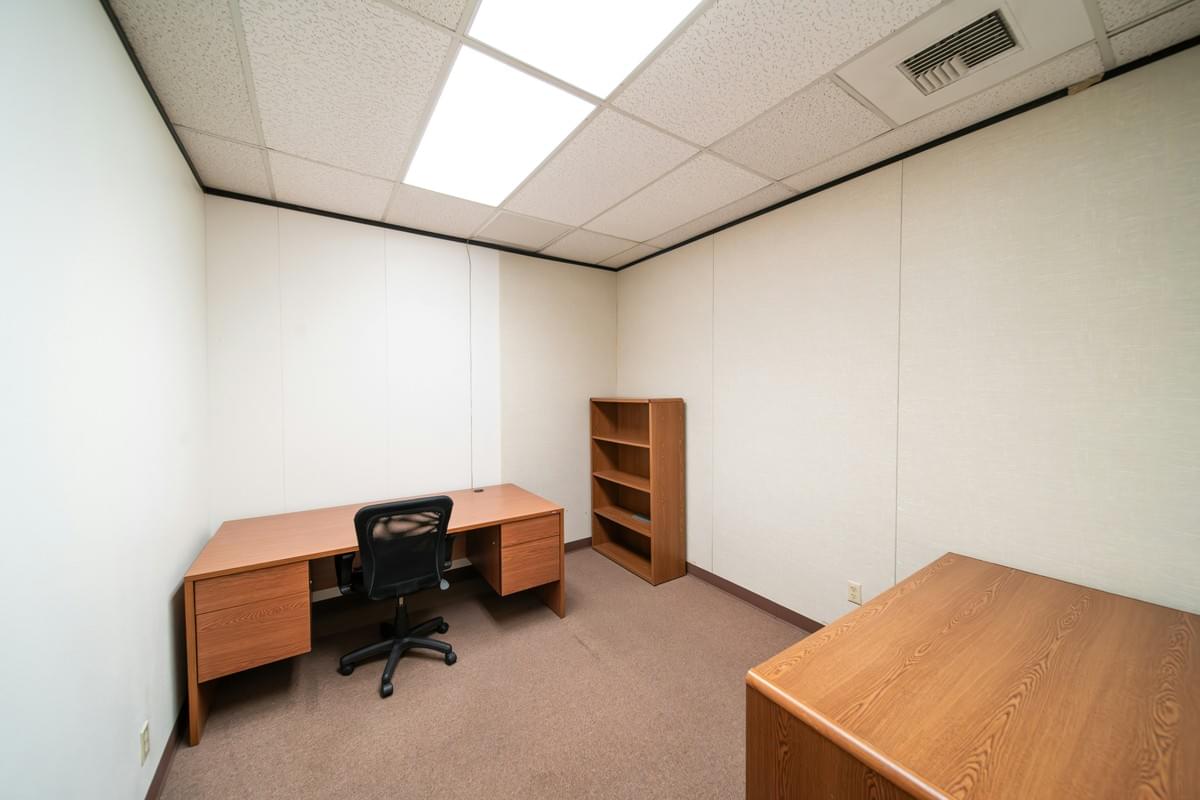
In the ever-evolving landscape of commercial real estate, modular warehouse offices are emerging as a game-changer. These innovative spaces blend functionality with flexibility, allowing businesses to adapt quickly to changing needs. But what exactly constitutes a modular warehouse office, and how does it differ from traditional setups? Let’s dive deeper into this intriguing world.
A modular warehouse is essentially a pre-fabricated structure designed for storage and operational efficiency. Constructed off-site in sections or modules, these warehouses can be assembled quickly on location, significantly reducing construction time. This approach not only saves time but also minimizes disruptions to ongoing business operations, making it an attractive option for companies looking for immediate solutions.
A modular office building shares many similarities with its warehouse counterpart but focuses more on providing workspace rather than storage. These buildings are created using the same off-site construction methods, allowing for rapid deployment and flexibility in design. Whether you’re seeking a small office or an extensive workspace solution, there’s likely a modular office that fits your needs perfectly.
The advantages of modular office spaces are numerous and compelling. For starters, they offer remarkable cost-effectiveness compared to traditional builds—saving you both time and money without sacrificing quality. Additionally, because they can be customized easily to accommodate various functions or expansions, businesses find them particularly appealing as their needs evolve over time.
Moreover, what is the standard size of a modular office? The beauty of these spaces lies in their versatility; they can range from compact units suitable for small teams to larger configurations that support extensive operations—all depending on your specific requirements! If you’re considering investing in a modular warehouse office or exploring options like “modular warehouse office for sale,” you'll discover that there’s something out there tailored just for you.
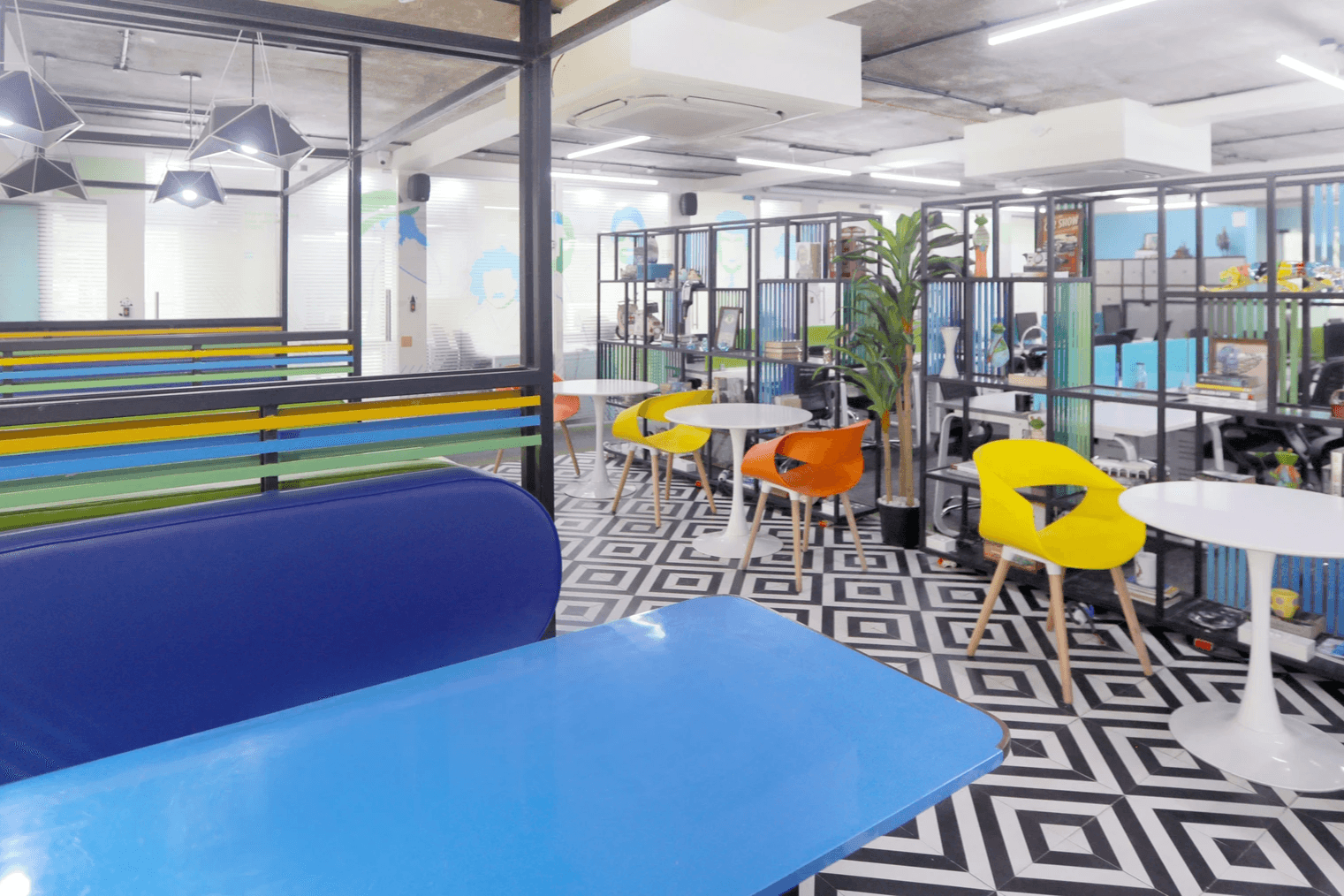
Modular design is revolutionizing the way businesses utilize space, particularly in the context of modular warehouse offices. This approach not only maximizes efficiency but also adapts effortlessly to changing needs. By incorporating flexible layouts, rapid installation processes, and streamlined workflows, modular office buildings are becoming the go-to choice for many industries.
One of the standout features of a modular warehouse office is its ability to offer flexible layouts tailored to dynamic business needs. Unlike traditional office setups, which can be rigid and difficult to modify, modular workspaces can be easily reconfigured as requirements change or expand. This adaptability means that businesses can optimize their space usage without incurring significant costs or delays.
Moreover, what is the standard size of a modular office? The answer varies based on specific requirements; however, these spaces can be designed to fit any operational demand—from small units to expansive configurations. This flexibility ensures that every square foot serves a purpose in enhancing productivity and collaboration within your team.
Traditional construction methods often lead to prolonged downtime as businesses wait for their new office spaces to be completed. In contrast, a modular warehouse can typically be assembled in a fraction of that time, allowing companies to resume operations swiftly.
This speed not only minimizes disruption but also helps organizations maintain continuity during transitions or expansions. As more companies seek out options like modular warehouse office for sale, they are discovering that quick setup times are a game-changer in maintaining productivity during growth phases.
Streamlined operations are at the heart of what makes a modular workspace so effective for modern businesses. Modular offices allow for strategic placement of departments based on workflow patterns—ultimately fostering better communication and collaboration among teams. When considering what is a modular warehouse or how it integrates with an overall business strategy, it’s clear that these designs prioritize functional efficiency alongside aesthetic appeal.
Additionally, with customization options available in modular office buildings, organizations can create environments specifically suited for their unique operational needs—whether that's high-tech meeting rooms or open-plan areas encouraging teamwork. The result? A workspace that not only looks great but also enhances productivity through thoughtful design choices tailored just for you.
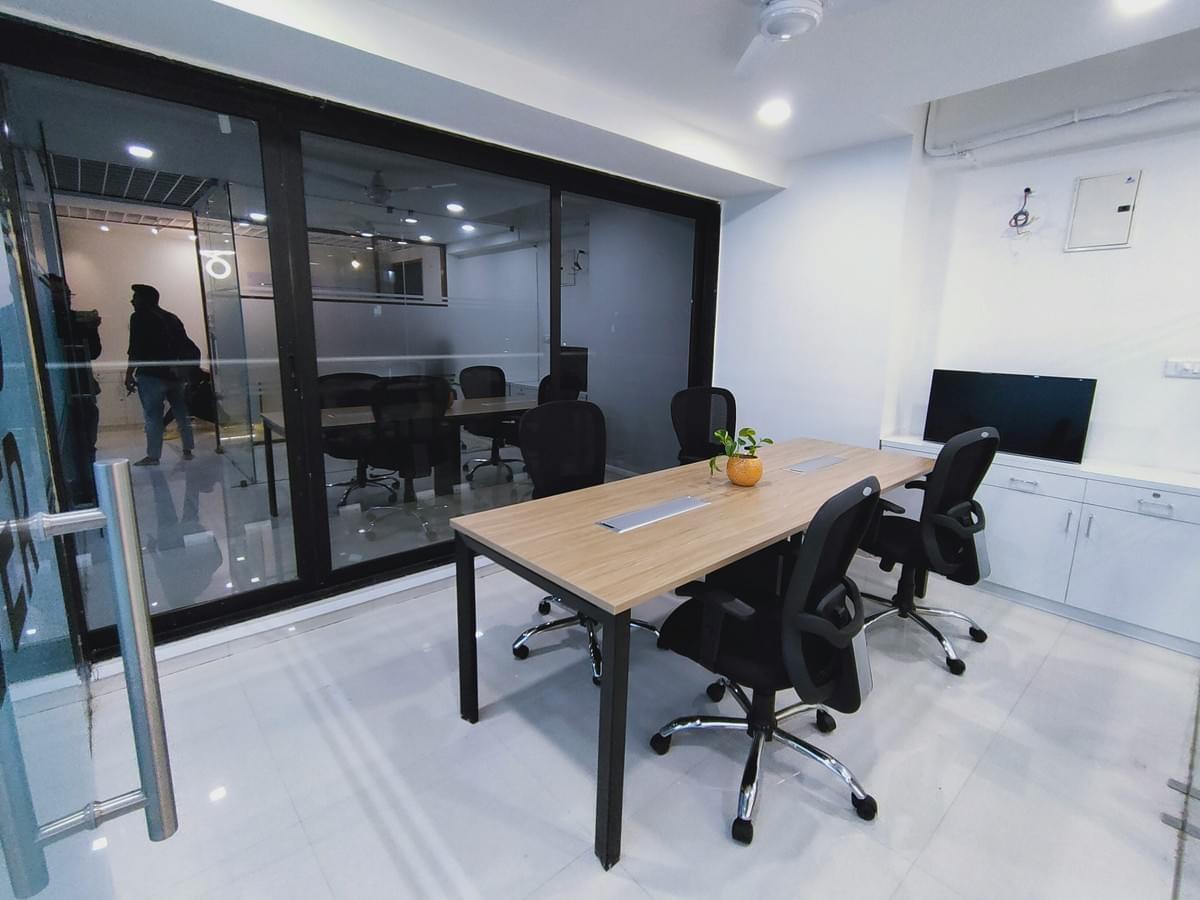
When it comes to modular warehouse offices, several key features set them apart from traditional office spaces. These features not only enhance functionality but also provide businesses with the flexibility they need to adapt to changing demands. Let's dive into the specifics that make modular warehouse offices an attractive option for modern businesses.
Space optimization is a cornerstone of any successful modular office design. With modular warehouse offices, you can maximize every square foot by employing innovative layouts tailored to your specific operational needs. Whether it's utilizing vertical space with shelving or creating multi-functional areas, these techniques ensure that you get the most out of your modular workspace.
Moreover, the standard size of a modular office can be customized to fit your requirements, allowing for efficient use of space without compromising on comfort or functionality. This adaptability means that as your business grows, your modular office can evolve alongside it—making it ideal for both small startups and larger enterprises looking for expansion options. In essence, space optimization techniques in a modular warehouse office create an environment where productivity thrives.
In today’s eco-conscious world, energy efficiency is more than just a buzzword; it's a necessity—and modular warehouse offices are leading the charge in sustainable building practices. These structures often incorporate energy-efficient materials and technologies that reduce utility costs while minimizing environmental impact. From solar panels to advanced insulation techniques, every aspect contributes to creating a greener workspace.
Additionally, many manufacturers offer options specifically designed for sustainability in their modular office buildings, allowing businesses to choose features that align with their environmental goals. By investing in a modular warehouse office that prioritizes energy efficiency and sustainability, companies not only save money but also enhance their brand image as responsible corporate citizens committed to reducing their carbon footprint.
One of the most appealing aspects of a modular office is its inherent flexibility when it comes to customization options. Unlike traditional construction methods where changes can be costly and time-consuming, modifying a modular workspace is often straightforward and efficient—a true game-changer for dynamic industries! Whether you need additional meeting rooms or specialized workstations tailored for unique tasks, customization ensures that your space reflects your operational needs perfectly.
Furthermore, when considering what is a modular warehouse or what is a modular office building specifically designed for various industries—be it logistics or manufacturing—the possibilities are virtually endless. This level of personalization not only enhances employee satisfaction but also boosts overall productivity by creating an environment where everyone can thrive comfortably and effectively.

When it comes to workspace solutions, the debate between traditional and modular offices is heating up. A modular warehouse office offers a fresh approach that can often outshine conventional setups in terms of flexibility, cost, and speed. Understanding these differences can help businesses make informed decisions that align with their operational needs.
One of the standout features of a modular office is its cost-effectiveness compared to traditional office buildings. Modular warehouse offices are typically less expensive to construct due to streamlined manufacturing processes and reduced labor costs. Additionally, businesses can save on ongoing expenses like energy consumption with many modular designs featuring energy-efficient elements.
What is the standard size of a modular office? While sizes vary widely based on specific needs, most modular offices can be customized to fit any space requirement without breaking the bank. This level of customization means you only pay for what you need, making it easier to allocate budget resources effectively.
Moreover, when considering long-term financial implications, a modular workspace often provides better value due to lower maintenance costs and quicker installation times. Companies seeking a cost-effective solution will find that investing in a modular office building can yield significant savings over time.
Time is money in the business world, and this adage rings particularly true when comparing construction timelines for traditional versus modular offices. A traditional office building may take months or even years to complete due to various factors like permitting delays and weather conditions. In contrast, installing a modular warehouse office can often be accomplished in just weeks or even days.
The rapid installation process associated with modular workspaces allows companies to start operations sooner than they would with conventional buildings. This efficiency not only minimizes downtime but also enables businesses to respond quickly to market demands or changes in operational strategy.
Furthermore, because much of the construction occurs off-site in controlled environments, there are fewer disruptions related to weather or site conditions during the build process for a modular office building. This reliability makes opting for a modular solution an attractive choice for companies looking for speed without sacrificing quality.
In today's fast-paced business environment, adaptability is key; this is where modular offices excel compared to their traditional counterparts. As companies evolve—whether through expansion or downsizing—a modular warehouse office allows them the flexibility needed without incurring significant costs associated with relocating or renovating permanent structures.
What is a modular warehouse? It’s essentially an adaptable space designed for various functions that can easily be reconfigured as business needs change over time—think open layouts that allow for quick adjustments as teams grow or shrink! This versatility makes it possible for organizations to pivot quickly while maintaining productivity levels.
Additionally, many businesses now prioritize sustainability and employee well-being within their spaces; modern modular workspaces often incorporate green building practices and ergonomic designs tailored specifically for evolving workforce requirements. Choosing a flexible solution like a modular office ensures your workspace remains relevant as your business continues its growth journey.
In the evolving landscape of modern workspaces, modular warehouse offices have emerged as a popular solution for businesses looking to optimize their operations. These structures offer flexibility and efficiency, making them ideal for various industries. With a growing number of success stories across the country, it's clear that modular workspaces are here to stay.
One notable example comes from a logistics company in 9States that needed to expand its operations rapidly. By opting for a modular warehouse office, they were able to construct an efficient workspace tailored to their specific needs in record time. This decision not only minimized disruption but also allowed them to increase productivity significantly while maintaining cost-effectiveness.
Another success story involves a manufacturing firm that transformed its outdated facilities into modern modular office buildings. By integrating modular designs, they optimized their workflow and improved employee satisfaction with better layouts and amenities. The result? A noticeable boost in overall efficiency and morale among staff members.
Additionally, a retail distribution center utilized a modular warehouse office for seasonal staffing needs. By implementing this flexible workspace solution, they could quickly adapt to fluctuating demands without the long-term commitment or expense associated with traditional construction methods. This adaptability is what makes modular workspaces so appealing in today’s fast-paced business environment.
Modular offices have found favor across various industries due to their versatility and practicality. For instance, the construction sector often requires temporary spaces on-site; thus, what is a modular office building if not an ideal solution? These structures can be assembled quickly and relocated as projects progress, reducing downtime significantly.
Moreover, healthcare facilities are increasingly adopting modular warehouse offices for administrative tasks or even patient care spaces during expansions or renovations. The ability to customize these environments ensures compliance with health regulations while providing comfort and efficiency for both staff and patients alike. As hospitals look for innovative solutions amid growing demands, these adaptable spaces prove invaluable.
Lastly, educational institutions are leveraging modular workspaces as well—especially during periods of growth or renovation when additional classrooms are needed swiftly. What is the standard size of a modular office? It can vary greatly depending on requirements but often includes configurations that maximize space usage while fostering collaborative learning environments.
Several case studies illustrate how businesses have increased efficiency through the use of modular offices. One such example involves an e-commerce giant that integrated multiple modular warehouse offices within its distribution centers across the country. This strategic move allowed them to streamline their logistics processes while ensuring teams had access to comfortable working conditions—all without significant delays typically associated with traditional construction.
Another compelling case study features an automotive parts supplier that faced challenges meeting production demands due to limited workspace availability. By investing in several modular office buildings adjacent to their main facility, they created dedicated areas for design teams and quality control inspections—resulting in faster turnaround times and improved product quality overall.
Lastly, consider the experience of an agricultural company that adopted a series of portable modular offices during peak harvest seasons when additional labor was essential but temporary solutions were required instead of permanent structures like traditional warehouses or factories. This approach not only met immediate staffing needs but also provided flexibility—a hallmark advantage when dealing with unpredictable agricultural cycles.
In a world where adaptability and efficiency are paramount, investing in modular offices can be a game-changer for businesses looking to grow. Modular warehouse offices offer a flexible solution that can be tailored to meet specific operational needs while providing significant cost savings. As the demand for agile workspaces increases, understanding the benefits of modular designs will empower companies to make informed decisions that foster growth.
The potential of modular office buildings goes beyond mere aesthetics; they represent a strategic investment in your company’s future. With options like modular warehouse offices for sale, businesses can quickly acquire spaces that are not only functional but also scalable as their needs evolve. By choosing a modular workspace, companies can redirect resources towards innovation and expansion rather than being bogged down by lengthy construction timelines.
As we look ahead, the trends suggest that modular workspaces will continue to dominate the landscape of commercial real estate. The rise of remote work has made flexibility more important than ever, and what is a modular warehouse if not the epitome of adaptability? With advancements in sustainable building practices and technology integration, these spaces are set to redefine how we think about office environments—turning traditional concepts on their head.
When searching for your ideal modular warehouse office, it's essential to consider factors such as size and layout—what is the standard size of a modular office? Understanding what is a modular office building will help you navigate options that best suit your business needs. By evaluating customization options and energy efficiency features, you can ensure that your chosen workspace aligns perfectly with your operational goals.
 How to Install a Modular Container Home: A Step-by-Step Construction Guide
 How Modular Container Hospitals Are Delivering Healthcare to Underserved Regions: A Practical Guide
 How Modular Container Hotels Are Redefining Hospitality in Remote Destinations
 What Makes Flat-Pack Container Homes a Smart Choice for Remote Areas: A Complete Technical Breakdown
