In recent years, the educational landscape has witnessed a remarkable shift towards modular classroom buildings, which offer innovative solutions for accommodating growing student populations. These structures have emerged as a practical answer to the challenges faced by traditional schools, providing flexibility and efficiency in design and construction. As educators seek ways to enhance learning environments while managing budgets, the question arises: how much does a modular classroom cost compared to conventional buildings?
Modular classroom buildings are taking center stage in the quest for effective educational spaces. This trend is fueled by a combination of factors, including rapid population growth and the urgent need for additional classrooms without lengthy construction delays. Schools are increasingly turning to portable classrooms with bathrooms and other essential amenities that make them not just functional but also comfortable learning environments.
One of the most compelling reasons for adopting modular classrooms is their cost-effectiveness. By streamlining construction processes and reducing labor costs, these buildings can be constructed in a fraction of the time it takes for traditional structures. Furthermore, schools can find various portable classrooms for sale that cater to different budgets and needs, ensuring that they can provide quality education without breaking the bank.
When considering modular classroom buildings, it's important to understand their unique features and benefits fully. What is a modular class? Essentially, it's an adaptable space designed with modern educational needs in mind—flexible enough to accommodate various teaching methods while being efficient in resource use. With options like customizable designs and sustainable materials available in today’s market, educators can create inspiring learning environments that meet both current demands and future trends in education.
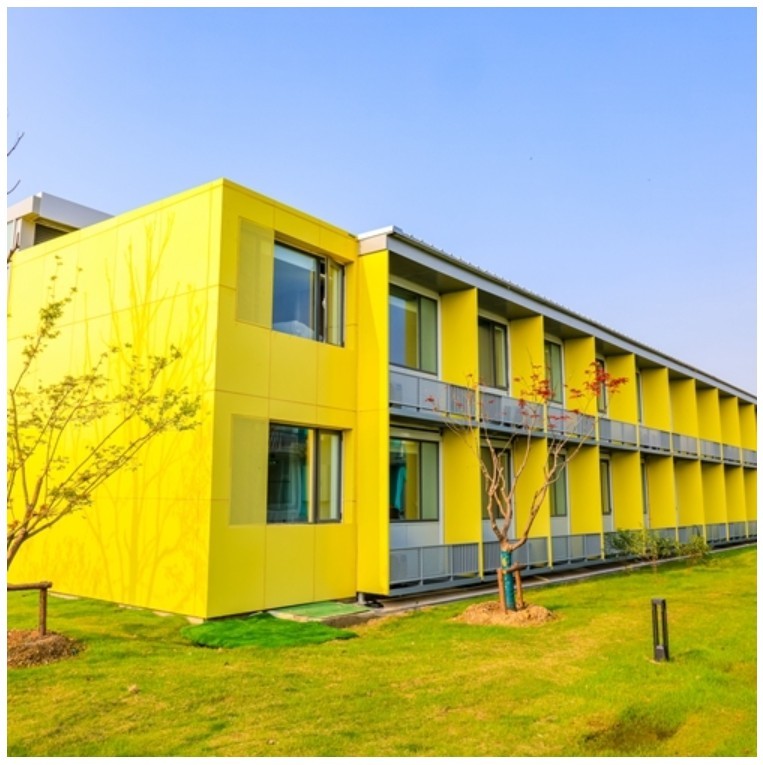
Modular classroom buildings are innovative structures designed to meet the evolving needs of educational institutions. They offer a flexible and efficient solution for schools facing space constraints or rapid enrollment growth. With options like portable classrooms with bathrooms, these modular units can be tailored to specific requirements while maintaining cost-effectiveness.
A modular classroom is a prefabricated structure that is built off-site and transported to its final location, making it an ideal choice for schools seeking quick solutions. These buildings can vary in size and layout, accommodating different educational settings from elementary schools to universities. Increasingly popular due to their adaptability, modular classrooms for sale provide an effective alternative when traditional construction timelines are impractical.
The manufacturing process of modular classroom buildings involves several key steps that ensure efficiency and quality control. First, the design is finalized based on the school’s needs, followed by the assembly of modules in a controlled factory environment. This method not only reduces construction time significantly but also minimizes delays caused by weather or site conditions—making it a smart choice for modern education facilities.
When it comes to constructing modular classrooms, various materials contribute to their durability and functionality. Commonly used materials include steel frames for structural integrity, high-quality insulation for energy efficiency, and eco-friendly finishes that promote sustainability. Additionally, these portable classrooms can incorporate advanced technology systems seamlessly into their designs—allowing schools to create dynamic learning environments tailored for today’s students.
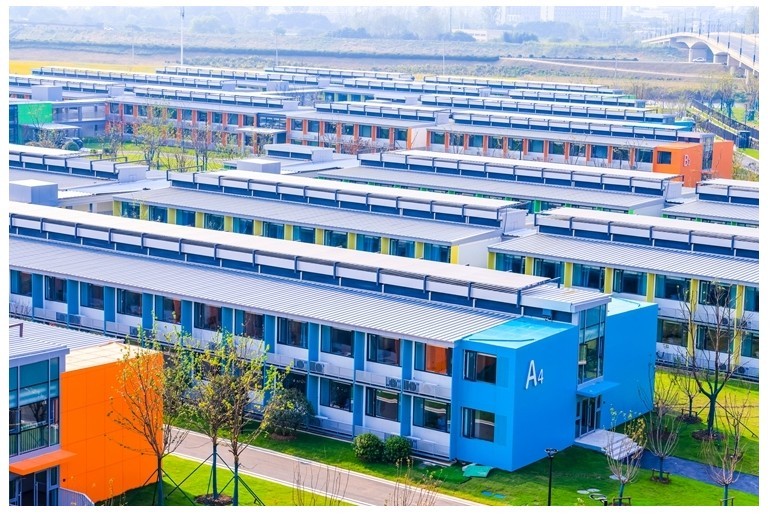
When it comes to educational infrastructure, modular classroom buildings are redefining cost-effectiveness. Unlike traditional buildings that can stretch budgets thin and timelines long, modular classrooms offer a refreshing alternative. With their efficient design and construction methods, they provide schools with a practical solution to accommodate growing student populations without breaking the bank.
One of the most significant advantages of modular classroom buildings is their reduced construction time. While traditional buildings can take months or even years to complete, a modular class can be ready for occupancy in a matter of weeks. This rapid turnaround means that schools can quickly address urgent needs for additional space, whether it’s due to an influx of students or the need for temporary facilities during renovations.
Moreover, this swift construction process allows educational institutions to allocate funds more effectively. Instead of waiting around while costs accrue during lengthy building projects, schools can invest in other areas such as technology or extracurricular programs. The question How much does a modular classroom cost? becomes less daunting when you realize that the quicker you build it, the sooner you start reaping the benefits.
Labor costs are another area where modular classrooms shine compared to traditional buildings. Modular construction typically requires fewer workers on-site at any given time since many components are prefabricated off-site. This not only reduces labor expenses but also minimizes disruptions at school locations during the building process.
Additionally, because these portable classrooms are designed for efficiency, they often require less specialized labor than traditional construction methods might demand. Schools looking into portable classrooms for sale will find that lower labor costs contribute significantly to overall savings in their budgets. In essence, investing in modular classroom buildings is like getting two benefits for one: lower costs and faster completion times.
The efficient use of resources is another compelling advantage offered by modular classroom buildings over their traditional counterparts. Modular designs often incorporate sustainable materials and practices that reduce waste during both manufacturing and installation processes. Schools benefit from this eco-friendly approach while also potentially lowering utility bills with energy-efficient features integrated into these structures.
Furthermore, because many components are manufactured off-site in controlled environments, quality control is enhanced—leading to fewer defects and less material waste overall. When considering options like portable classrooms with bathroom facilities or other amenities, it's essential to note how resource-efficient these solutions can be compared to conventional builds that may not prioritize sustainability as effectively.
In conclusion, choosing modular classrooms for sale not only makes financial sense but also aligns with modern educational needs by promoting efficiency and sustainability in building practices.

When it comes to modular classroom buildings, customization is the name of the game. Schools are no longer limited by cookie-cutter designs; instead, they can tailor their learning environments to meet specific educational needs and aesthetic preferences. This flexibility not only enhances the functionality of spaces but also boosts student engagement and comfort.
One of the standout features of modular classroom buildings is their flexible design choices. Schools can select layouts that best suit their teaching methods, whether that means open-concept spaces for collaborative learning or traditional classrooms for focused study. Additionally, options like a portable classroom with bathroom facilities make these buildings even more functional for diverse educational settings.
With modular classrooms for sale offering various configurations, schools can easily adapt to changing enrollment numbers or program requirements without breaking the bank. The ability to reconfigure these spaces means that educational institutions can evolve alongside modern teaching trends. Ultimately, this adaptability ensures that schools remain relevant and effective in providing quality education.
In today's digital age, integrating technology into learning environments is crucial—and modular classroom buildings excel in this area too. Equipped with high-speed internet access and advanced audiovisual systems, these structures support interactive learning experiences that keep students engaged and connected. Whether it’s through smart boards or virtual reality setups, technology plays a vital role in modern education within these versatile spaces.
Moreover, schools can customize tech integration based on curriculum needs, ensuring every student has access to cutting-edge resources tailored to their learning style. This level of adaptability allows educators to enhance lesson delivery while preparing students for future technological advancements in their careers. As a result, investing in modular classrooms not only meets current demands but also anticipates future educational trends.
Sustainability is no longer just a buzzword—it's an essential consideration when designing any educational facility today. Modular classroom buildings often incorporate eco-friendly materials and energy-efficient systems that reduce environmental impact while saving on operational costs over time. Features such as solar panels and rainwater harvesting systems make these structures ideal choices for schools aiming to promote sustainability among students.
The appeal of green building practices extends beyond just environmental benefits; they also provide an opportunity for hands-on learning experiences related to science and ecology within the very walls where students learn daily. By choosing portable classrooms designed with sustainability in mind, schools can instill values of conservation and responsibility among their students from an early age. Ultimately, sustainable features ensure that modular classrooms contribute positively not only to education but also to the planet's future.
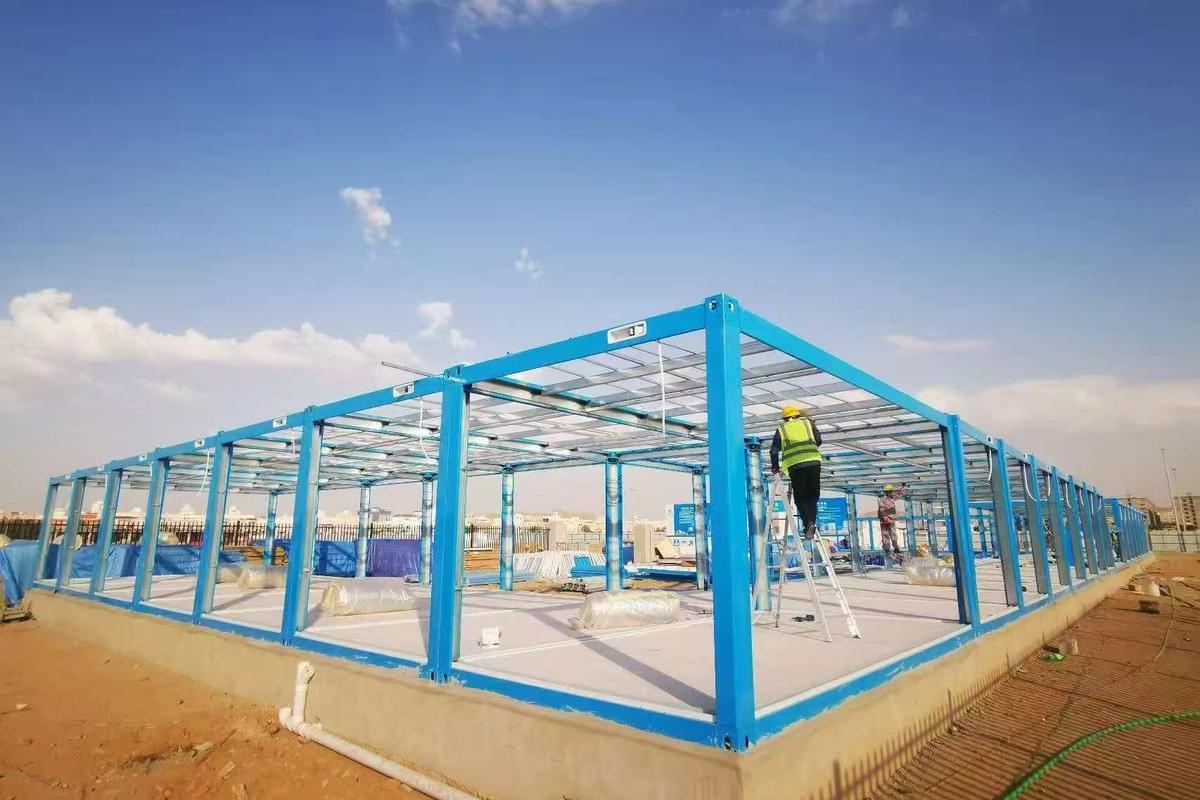
As schools increasingly seek innovative solutions to accommodate growing student populations, modular classroom buildings have emerged as a practical answer. This section highlights successful implementations of modular solutions, showcasing how they meet educational needs while remaining budget-friendly. By examining real-world examples, we can better understand the impact and effectiveness of these modern learning environments.
9States Shanghai Modular Building Co., Ltd has been at the forefront of providing high-quality modular classroom buildings across various regions. One standout project involved a series of portable classrooms with bathrooms designed for a rapidly expanding school district that required immediate space without sacrificing quality. These modular classrooms for sale not only met the district’s urgent needs but also offered flexible layouts that could be adapted over time.
In another instance, 9States provided a custom-designed modular building that served as both classrooms and administrative offices for an urban school struggling with space constraints. The design incorporated sustainable materials and energy-efficient systems, demonstrating that what is a modular building can also be environmentally friendly and cost-effective. Such implementations illustrate how schools are transforming their infrastructure to better serve students and educators alike.
Local schools adopting modular classroom solutions have reported significant improvements in both functionality and cost management. For example, one district opted for several portable classrooms for sale to address overcrowding in traditional facilities; this decision allowed them to expand quickly without incurring substantial costs associated with new construction. Furthermore, these schools found that the quick installation times associated with modular buildings minimized disruption during the academic year.
Another case study revealed that adopting a portable classroom with bathroom facilities reduced logistical challenges related to student movement between buildings. With enhanced accessibility and improved amenities, students experienced a more conducive learning environment while teachers benefited from fewer interruptions during lessons. Overall, local schools embracing these innovative structures have demonstrated adaptability in meeting changing educational demands.
When comparing costs between traditional constructions versus modular options, it becomes evident why many institutions are leaning toward what is a modular class environment: affordability without compromising quality or aesthetics. For instance, on average, the total expense associated with constructing conventional classrooms can exceed $300 per square foot—while many modular classroom buildings come in significantly lower at around $150 per square foot or less depending on customization choices.
Moreover, the ability to reuse materials in future projects further enhances the economic viability of these structures over time—making them an attractive option for districts looking to maximize their budgets amidst fluctuating funding landscapes. Another critical outcome observed was increased student enrollment rates following the implementation of these adaptable spaces; schools were able to accommodate more students promptly without lengthy delays typically seen in traditional construction projects.
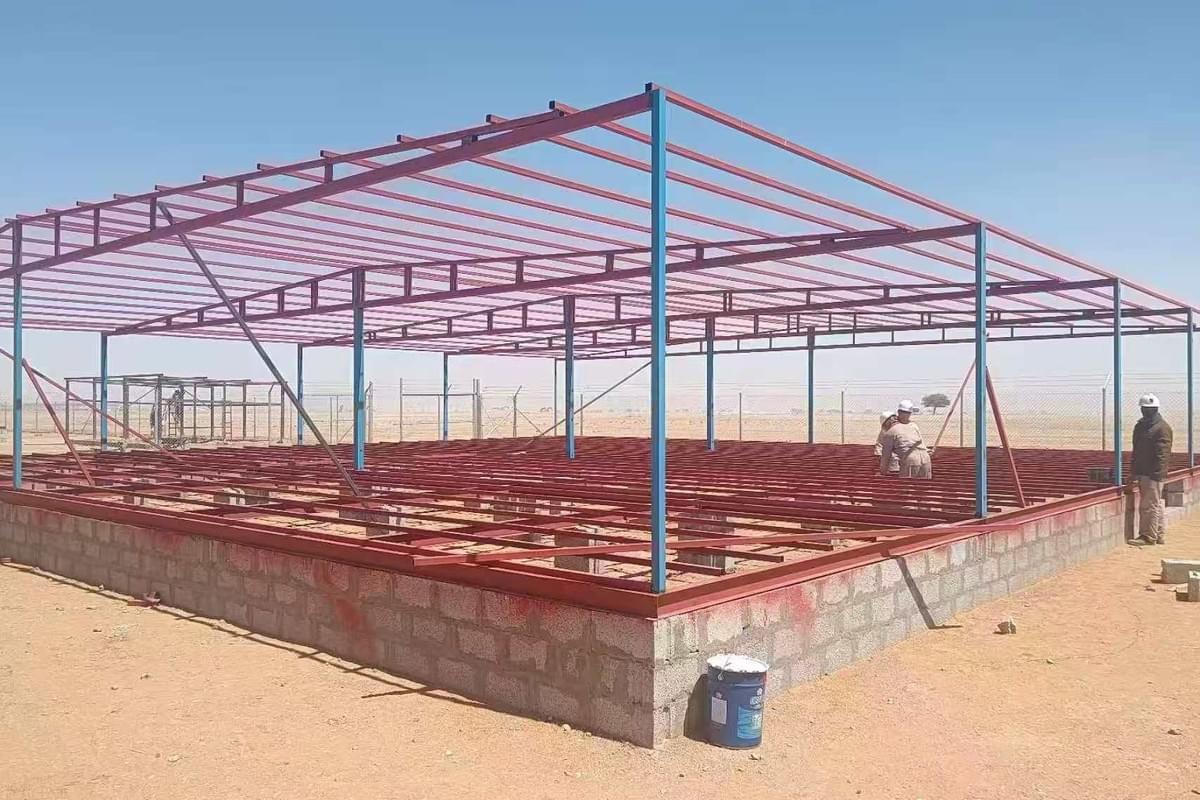
As the landscape of education evolves, so too does the infrastructure that supports it. Modular classroom buildings are at the forefront of this change, showcasing innovations that promise to revolutionize learning environments. With advancements in design and materials, these structures are becoming more versatile and appealing to educational institutions worldwide.
The future of modular classroom buildings is bright, thanks to continuous innovations in design and materials. Designers are now able to create spaces that not only meet educational needs but also inspire creativity and collaboration among students. New materials such as eco-friendly composites and high-performance insulation are making these buildings more durable and energy-efficient than ever before.
Moreover, the integration of smart technology is becoming a game-changer in modular classrooms. From interactive whiteboards to advanced HVAC systems, modern modular classrooms for sale can be equipped with cutting-edge tech that enhances learning experiences. As schools increasingly seek solutions that blend functionality with aesthetics, the demand for portable classrooms with bathrooms or integrated tech features continues to rise.
Urban areas are experiencing a surge in demand for modular classroom buildings due to space constraints and rising student populations. With real estate prices skyrocketing, traditional construction methods often can't keep up with the urgent need for additional educational facilities. In contrast, modular classrooms can be erected quickly on smaller plots of land, providing an immediate solution without sacrificing quality.
Additionally, urban planners recognize the potential of portable classrooms for sale as a means to address overcrowding while maintaining community aesthetics. These structures can be designed to blend seamlessly into their surroundings while offering flexible layouts tailored to specific educational needs. Consequently, cities around the globe are turning toward modular solutions as an efficient way to expand their educational infrastructure.
The adaptability of modular buildings presents an exciting opportunity for global adoption across diverse educational contexts. Countries facing rapid population growth or those recovering from natural disasters can benefit immensely from implementing modular classroom solutions quickly and efficiently. As awareness grows regarding how much a modular classroom costs compared to traditional builds, more institutions will likely opt for this cost-effective approach.
Furthermore, international collaborations focused on education may pave the way for widespread use of modular facilities worldwide. From developing nations seeking sustainable options to established countries looking for innovative solutions, there’s a growing recognition that modular classrooms offer both flexibility and functionality tailored to local needs. The potential is vast; as we look ahead at global trends in education infrastructure, it's clear that modular classroom buildings will play a pivotal role.
In a world where educational needs are evolving rapidly, modular classroom buildings present a compelling solution that maximizes value while addressing budget constraints. These innovative structures offer flexibility and cost-effectiveness, making them an attractive option for schools looking to expand or adapt their facilities. By understanding how much a modular classroom costs compared to traditional buildings, administrators can make informed decisions that benefit both students and educators.
Maximizing value with modular classroom buildings starts with recognizing their inherent advantages over conventional construction methods. Schools can save significant amounts on labor and materials, leading to lower overall costs when considering options like portable classrooms for sale. Additionally, the speed of installation means that educational institutions can quickly respond to changing enrollment numbers without sacrificing quality or functionality.
The question often arises: What is a modular class? Essentially, it refers to the learning environment created within these adaptable spaces designed specifically for education. With customizable layouts and modern technology integration, schools can create engaging environments tailored to their unique curriculum needs. This adaptability not only enhances the learning experience but also ensures that every dollar spent contributes directly to student success.
As educational paradigms shift towards more dynamic teaching methodologies, adapting facilities becomes crucial. Modular classroom buildings allow schools to pivot quickly in response to new teaching strategies or increased student populations without the long delays associated with traditional construction projects. The ability to incorporate features like portable classrooms with bathrooms further accommodates diverse student needs while maintaining a focus on accessibility and comfort.
Moreover, these structures are not merely temporary solutions; they provide long-term value through durability and sustainability practices integrated into their design. Schools can confidently invest in modular classrooms for sale knowing they are choosing an option built for longevity while being mindful of environmental impacts—a win-win scenario in today's eco-conscious society.
Looking ahead, the future of cost-effective learning spaces appears bright as innovations in design and materials continue to emerge within the realm of modular building construction. As urban areas grow denser and demand for educational facilities increases, modular classroom buildings will likely become even more popular due to their efficiency and scalability options tailored for urban settings.
In addition, as global awareness around education quality rises alongside population growth, there is potential for widespread adoption of these versatile structures across various regions—transforming how we think about schooling infrastructure forever! By embracing this trend now, educational institutions position themselves at the forefront of modern learning environments that prioritize adaptability without sacrificing quality or budget constraints.
 How to Install a Modular Container Home: A Step-by-Step Construction Guide
 How Modular Container Hospitals Are Delivering Healthcare to Underserved Regions: A Practical Guide
 How Modular Container Hotels Are Redefining Hospitality in Remote Destinations
 What Makes Flat-Pack Container Homes a Smart Choice for Remote Areas: A Complete Technical Breakdown
