
In recent years, the trend of expandable container homes has gained significant traction, transforming how we think about housing. These innovative structures, often crafted from repurposed shipping containers, offer a unique blend of sustainability and modern design that appeals to a growing demographic seeking alternative living solutions. With the rise of container homes, the concept of container at home is no longer just a dream; it's becoming a reality for many.
Expandable container homes represent a revolutionary shift in the housing market, combining efficiency with creativity. Their modular design allows for easy customization and expansion, making them an attractive option for those looking to maximize their living space without compromising on style. As more people embrace minimalist lifestyles and eco-friendly choices, these container house designs have emerged as an ideal solution.
Shipping container homes are often built using materials that can withstand high temperatures, but understanding fire safety standards is essential for ensuring peace of mind in your new home. Investing in fire-resistant features not only enhances safety but also contributes to the longevity and durability of your container house.
Sealing performance plays a pivotal role in the overall efficiency and comfort of container homes. Proper sealing prevents air leaks and moisture intrusion, which can lead to costly repairs down the line—nobody wants a leaky roof over their heads! By implementing advanced sealing techniques during construction, homeowners can ensure that their prefab homes remain cozy and energy-efficient throughout the seasons.

Expandable container homes are revolutionizing the way we think about living spaces. These innovative structures utilize repurposed shipping containers, offering a unique blend of functionality and style. With their modular design, they can be easily expanded or customized to meet individual needs, making them an attractive option for modern living.
At their core, expandable container homes are prefabricated structures that utilize shipping containers as the primary building blocks. These containers can be combined and configured in various ways to create spacious and functional living environments. The beauty of container house designs lies in their versatility; they can be adapted for residential, commercial, or even temporary uses.
The concept of container at home has gained traction due to its eco-friendly approach—recycling materials that would otherwise go to waste. Moreover, the modular nature of these homes means that they can grow with your needs; whether you're starting small or planning for future expansions, expandable container homes have you covered. In a world where space is often at a premium, these innovative dwellings offer a smart solution.
One of the standout benefits of container house designs is their cost-effectiveness compared to traditional homes. Building with shipping containers often requires less time and fewer resources, which translates into savings for homeowners. Additionally, the durability and strength of steel containers mean they require minimal maintenance over time.
Another significant advantage is sustainability; using repurposed materials helps reduce your carbon footprint while providing modern amenities typically found in prefab homes. The energy efficiency associated with well-insulated container homes also contributes positively to both environmental impact and utility bills. Plus, the aesthetic appeal of these unique structures allows homeowners to express their creativity through various architectural styles.
Shipping container homes have found popularity in various applications beyond just personal residences; they are increasingly used as vacation rentals, offices, and even pop-up shops! Their mobility means that you can set up a cozy retreat by the beach or in the mountains without committing to permanent construction—perfect for those who crave adventure but still want comfort at home.
Moreover, many businesses leverage container houses as innovative workspaces or retail locations due to their eye-catching designs and flexibility in layout options. From trendy cafes to art studios, these versatile structures cater to diverse needs while standing out from conventional buildings. As more people embrace this modern lifestyle choice, the possibilities for expandable container homes continue to expand.
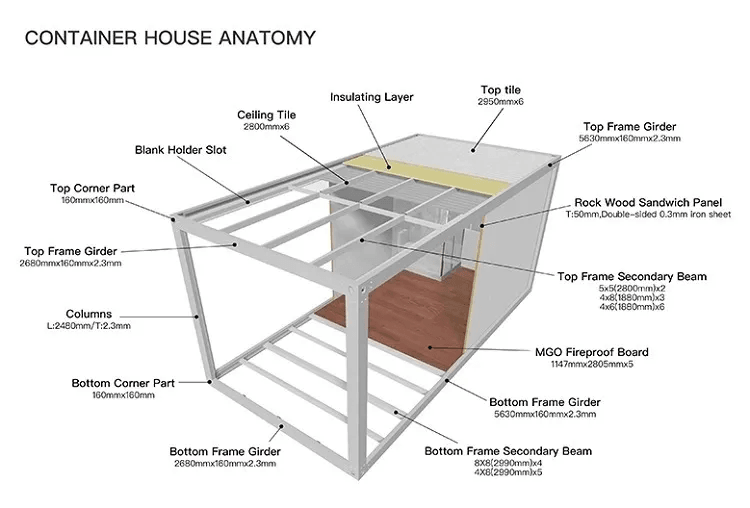
The choice of materials in shipping container homes plays a vital role in their overall fire resistance. Steel, the primary material used in container construction, inherently possesses excellent fire-resistant properties; it doesn’t ignite easily and can withstand high temperatures. Additionally, incorporating fire-retardant insulation and non-combustible cladding into your container house design can further bolster its ability to resist flames.
Moreover, using advanced materials like mineral wool or fiberglass insulation enhances thermal performance while providing an extra layer of protection against heat. These materials not only help keep your container at home comfortable but also minimize the risk of fire spreading within the structure. By selecting appropriate finishes and coatings that are specifically designed for fire resistance, you can create a safer living environment within your modular house.
In the realm of prefab homes, adhering to rigorous testing standards is essential for ensuring fire safety in expandable container homes. Various organizations set forth guidelines that dictate how materials should be tested for flammability and heat resistance before they’re used in construction. For instance, ASTM E84 is a widely recognized test method that evaluates surface burning characteristics of building materials—essential information when designing safe shipping container homes.
Additionally, compliance with local building codes often requires passing specific fire safety tests tailored to regional risks and climate conditions. Builders must ensure their designs meet these standards to provide occupants with reliable protection from potential fires. By prioritizing these testing protocols during construction phases, you can confidently invest in a secure living space within your container house.
Real-world examples abound showcasing effective integration of fire-resistant features in expandable container homes across various settings. One notable case is the use of modified shipping containers as emergency shelters during wildfires; these structures were equipped with specialized coatings and insulated panels designed to withstand extreme heat while providing safe refuge for inhabitants. Such innovative approaches demonstrate how adaptable container homes can be when it comes to addressing real-life challenges.
Another impressive example involves upscale residential designs featuring custom-built shipping containers enhanced with advanced sprinkler systems and strategically placed landscaping designed to create defensible space against wildfires—proving that aesthetics don’t have to compromise safety in modern modular houses. These successful implementations highlight how thoughtful planning around material selection and design choices leads to functional yet stylish living spaces without sacrificing crucial safety measures.
By focusing on both cutting-edge technology and tried-and-true methods for enhancing fire resistance within your container home design, you’ll be well-equipped to enjoy all the benefits that come from this unique housing solution while keeping safety at the forefront.

When it comes to expandable container homes, sealing performance is a fundamental aspect that can greatly affect the longevity and comfort of these unique structures. A well-sealed container house not only prevents water intrusion but also enhances energy efficiency, making your prefab home more sustainable and cost-effective. Without proper sealing, you may face issues like mold growth or heat loss, which can turn your cozy shipping container home into a leaky nightmare.
Sealing is crucial in prefab homes because it directly impacts the indoor environment and overall structural integrity. In a container house design, gaps and joints can become pathways for moisture and air leaks if not adequately sealed. This leads to increased energy costs and potential damage over time, making effective sealing an essential factor in maintaining your container at home.
Furthermore, the variety of climates that shipping container homes are often placed in necessitates robust sealing techniques to withstand harsh weather conditions. Whether it's heavy rain or extreme temperatures, proper sealing ensures that your container home remains a sanctuary against the elements. Ultimately, investing in superior sealing methods will enhance the durability of your house modular while providing peace of mind for years to come.
Achieving optimal sealing in expandable container homes involves several techniques tailored to address specific vulnerabilities within the structure. First off, using high-quality sealants around windows, doors, and joints can significantly reduce air leakage and improve insulation performance. Additionally, employing weather stripping on entry points further ensures that no unwanted drafts make their way into your cozy abode.
Another effective technique is applying spray foam insulation inside the walls of shipping container homes; this not only adds an extra layer of thermal protection but also seals any small cracks or gaps effectively. Furthermore, incorporating vapor barriers helps manage moisture levels within the container house design while preventing condensation build-up—a common issue in prefab homes. By combining these techniques with regular maintenance checks on seals over time, you’ll create a resilient living space that stands up to whatever Mother Nature throws its way.
Several case studies highlight how well-sealed expandable container homes have thrived under various conditions due to meticulous attention to sealing performance. For instance, a family residing in a shipping container home near coastal areas faced challenges with saltwater corrosion; however, they implemented advanced sealants along with stainless steel fixtures which resulted in minimal maintenance issues over five years—proving that good seals pay off!
 9States Delivers Fast-Assembly Modular Offices for Shanghai Xuhui Urban Greening Company
 Container Houses vs Traditional Construction: 7 Reasons Modular Buildings Are Reshaping the Industry in 2026
 9States Welcomes Paraguayan and Brazilian Delegation: A New Chapter for Modular Buildings in South America
 Container Houses vs Traditional Construction: 2026 Cost, Time and Sustainability Comparison
