In a world where speed and efficiency are paramount, modular building systems (MBS) have emerged as a game-changer in the construction industry. These innovative solutions allow for the rapid assembly of structures, offering both flexibility and sustainability. As we delve into the rise of modular construction, particularly in regions like Saudi Arabia, it becomes clear that this approach is not just a trend but a significant shift in how we think about building.
Modular building systems are prefabricated structures created off-site and then transported to their final location for assembly. This method differs vastly from traditional construction methods, which typically involve on-site building from scratch. With MBS, components such as walls, roofs, and floors are manufactured in controlled environments, ensuring quality and precision while minimizing waste.
The surge in modular construction can be attributed to various factors including technological advancements and an increasing demand for efficient housing solutions. Countries like Saudi Arabia have recognized the potential of modular buildings to address rapid urbanization challenges while maintaining cost-effectiveness. This growing acceptance has led to the establishment of specialized modular construction factories that streamline production processes.
The advantages of modular buildings extend far beyond mere speed; they encompass cost savings and sustainability as well. By utilizing MBS, builders can significantly reduce labor costs and project timelines without sacrificing quality or safety standards. Furthermore, the environmentally friendly nature of modular construction contributes positively to ecological goals by reducing material waste and energy consumption during manufacturing.
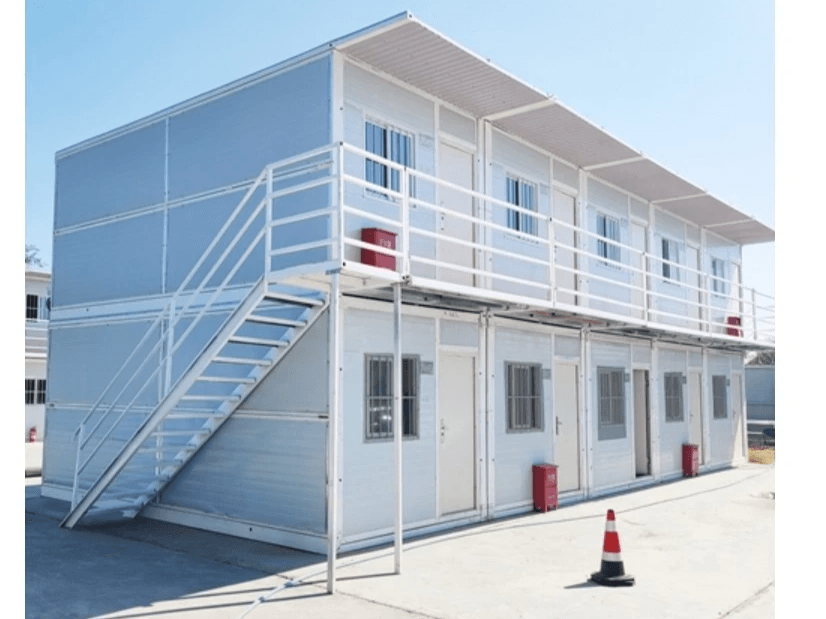
Modular building systems (MBS) represent a revolutionary approach to construction, where structures are prefabricated in a controlled environment and then assembled on-site. This method involves creating individual modules that can be combined in various configurations to form complete buildings. With the rise of modular construction, particularly in regions like Saudi Arabia, these systems are becoming increasingly popular due to their efficiency and adaptability.
At its core, modular building systems consist of pre-manufactured sections or modules that serve as the building blocks for a structure. Each module is designed with essential components such as walls, floors, roofs, windows, and doors—all constructed off-site in a modular construction factory. This assembly-line approach not only streamlines the building process but also enhances quality control since each piece is built under optimal conditions.
Unlike traditional construction methods that often rely on on-site labor and materials, modular building systems prioritize efficiency by shifting much of the work to factories. This difference means that while traditional builds can be susceptible to weather delays and site-related issues, MBS projects can progress smoothly regardless of external conditions. Furthermore, modular buildings often result in less waste and greater sustainability compared to conventional methods.
There’s a diverse array of modular buildings designed for various applications within the realm of modular construction. Residential modular homes are perhaps the most recognized type; they offer customizable living spaces that can be quickly erected without compromising quality or aesthetics. Additionally, commercial modular buildings serve businesses looking for efficient office space solutions while industrial applications may include warehouses or factories built using advanced MBS technologies.

Modular construction has been gaining traction in the building industry, and for good reason. The advantages of modular building systems (MBS) extend beyond mere convenience; they encompass speed, cost savings, and sustainability. As we delve into these benefits, it becomes clear why modular buildings are a compelling choice for various applications.
One of the most significant advantages of modular construction is its speed. With modular building systems, much of the construction process occurs off-site in a controlled environment, allowing for simultaneous site preparation and module fabrication. This overlap drastically reduces overall project timelines, meaning that clients can move into their new spaces faster than with traditional methods.
In Saudi Arabia, where rapid urban development is essential, modular construction offers an efficient solution to meet housing demands quickly. Expertise in modular buildings allows builders to streamline processes, ensuring that projects are completed ahead of schedule without compromising quality. Moreover, the reduced time on-site minimizes disruptions to surrounding communities and environments.
The swift assembly process also means that weather-related delays are less likely to impact progress. This efficiency is particularly beneficial in regions with extreme weather conditions or tight deadlines for commercial projects. Ultimately, the speed of modular construction makes it an attractive option for developers looking to maximize their return on investment.
Cost-effectiveness is another major selling point for modular construction enthusiasts. By utilizing factory-built components through a modular construction factory approach, builders can achieve significant savings on labor and material costs compared to traditional building methods. These savings often translate into lower overall project expenses for clients while maintaining high-quality standards.
Additionally, because many aspects of construction occur simultaneously rather than sequentially—thanks to MBS—there’s less downtime between phases of development. This efficiency not only shortens project timelines but also helps control costs associated with financing and site management during prolonged build times. As a result, businesses considering commercial applications find that investing in modular buildings often yields higher profit margins.
Furthermore, the precision manufacturing techniques used in MBS reduce waste significantly compared to conventional methods where excess materials may end up discarded on-site. In an era where sustainability is increasingly prioritized by consumers and businesses alike, this aspect further enhances the appeal of choosing modular construction in Saudi Arabia or elsewhere.
Sustainability has become a cornerstone consideration in modern architecture and design practices—and rightly so! Modular building systems inherently offer environmentally friendly solutions by minimizing waste during production and reducing energy consumption throughout their lifecycle. The controlled environment of a modular construction factory ensures precise measurements and efficient use of materials.
Moreover, many manufacturers are now incorporating sustainable materials into their designs as part of their commitment to eco-friendly practices within the industry. This trend aligns perfectly with global efforts toward carbon neutrality and responsible resource management—making MBS not just a smart choice economically but also ethically appealing for conscientious consumers seeking greener alternatives.
Finally, once installed on-site as fully functional structures ready for occupancy or use within days rather than months or years later down the line—modular buildings contribute positively towards reducing urban sprawl while maximizing land utilization effectively too! In summary: choosing sustainable options like these helps pave pathways toward healthier cities overall!
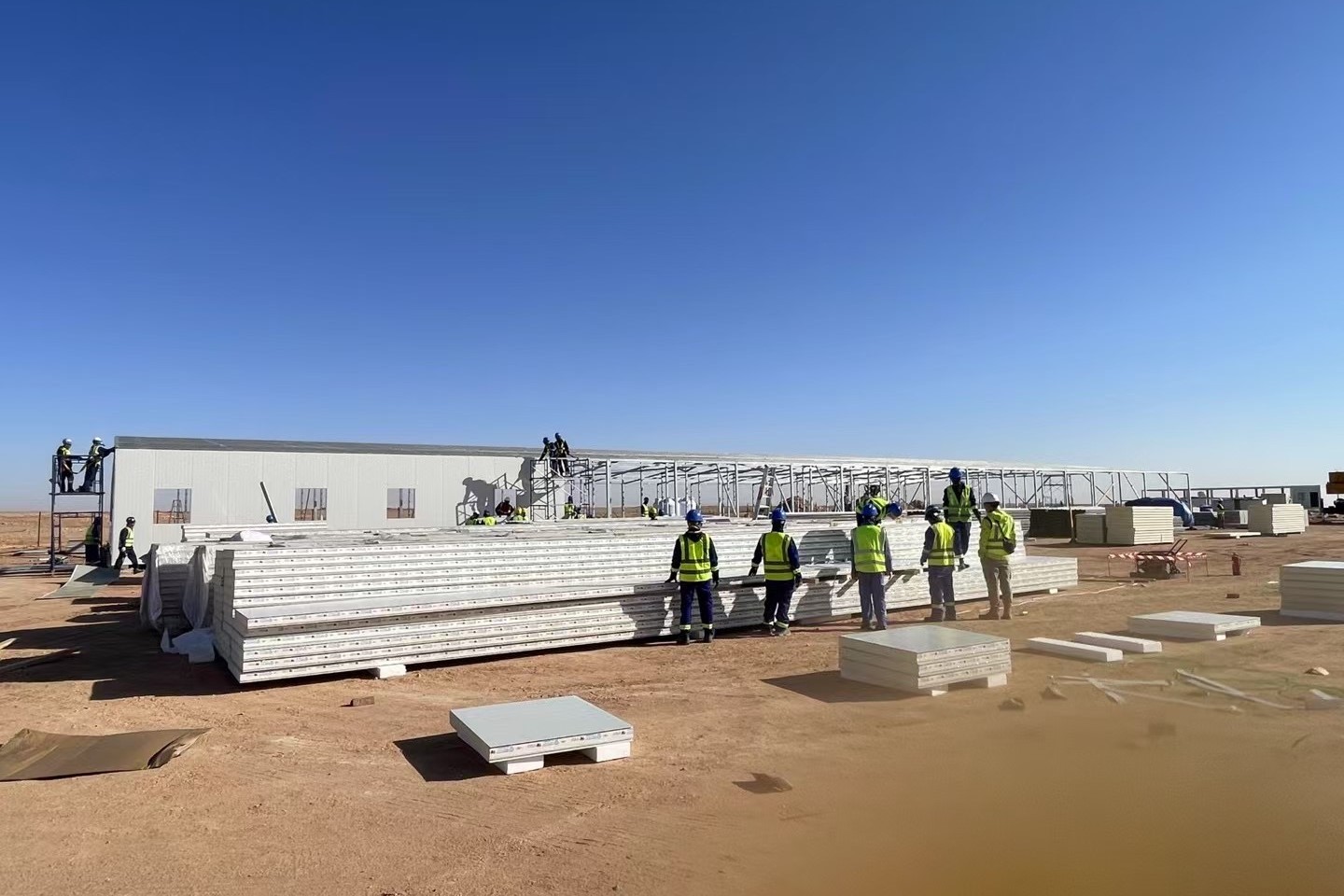
When it comes to modular building systems, the process is as streamlined as the structures themselves. From design to installation, each stage is meticulously planned to ensure efficiency and quality. This approach not only accelerates the construction timeline but also enhances collaboration among stakeholders.
The design and planning stages are crucial in the development of modular buildings, setting the foundation for success. During this phase, architects and engineers collaborate closely to create blueprints that meet both aesthetic desires and functional requirements. Advanced software tools are often utilized to visualize modular construction in Saudi Arabia, allowing for precise adjustments before any materials are even cut.
Moreover, understanding local regulations is essential during this stage; compliance with zoning laws and building codes ensures that your modular building systems (MBS) adhere to safety standards. This careful planning results in a well-organized project timeline that minimizes delays during manufacturing and assembly phases. Ultimately, a solid design plan translates into a smoother overall process.
Once the design is finalized, it's time for manufacturing—where the magic truly happens! Modular buildings are constructed in a controlled environment within a modular construction factory, ensuring quality control at every step of production. Each component is built off-site using advanced techniques that allow for faster turnaround times compared to traditional methods.
After fabrication, these components are transported to the site where they will be assembled into their final form. Expertise in modular buildings shines through during this phase as skilled workers piece together sections like an intricate puzzle—each part fitting perfectly due to precise engineering standards. The result? A sturdy structure ready for its new purpose!
The installation phase brings everything together as modules arrive on-site for assembly—a sight that’s both exciting and efficient! Cranes lift pre-fabricated sections into place with remarkable precision, showcasing how modular construction can dramatically reduce on-site labor time compared to conventional building methods. Once all modules are positioned correctly, teams focus on connecting utilities like plumbing and electrical systems.
After installation comes those all-important final touches: interior finishes such as flooring, painting, and cabinetry enhance both aesthetics and functionality within your new space. This last step ensures that your modular building systems look polished while meeting all necessary regulations before welcoming inhabitants or occupants inside. With everything completed swiftly yet thoroughly, you’ll be amazed at how quickly you can enjoy your new environment!

Modular building systems (MBS) have made significant inroads into various sectors, showcasing their versatility and adaptability. From homes to businesses, these modular buildings are revolutionizing how we think about construction. Let’s explore some of the most impactful real-world applications of modular construction.
When it comes to residential uses, modular building systems offer a fantastic solution for homeowners seeking efficiency without sacrificing style. These modular buildings can be tailored to fit individual tastes while being constructed in a fraction of the time it takes traditional homes. Whether it's a single-family home or multi-unit dwellings, modular construction is gaining traction in Saudi Arabia as an innovative way to meet housing demands.
With the rise of urbanization, many people are turning to modular homes as a quick and affordable option for living spaces. The ease of assembly and reduced labor costs make these structures particularly appealing for first-time homeowners or those looking to downsize. Plus, with advancements in design capabilities, these homes can now rival traditional builds in aesthetics and functionality.
Modular building systems are not just limited to residential projects; they have found their niche in commercial and industrial applications as well. Businesses are increasingly opting for modular construction due to its speed and cost-effectiveness—perfect for companies looking to expand quickly without breaking the bank. From office spaces to retail outlets, these modular buildings provide flexible solutions that adapt easily to changing business needs.
In industrial settings, MBS can be used for warehouses, manufacturing facilities, or even research labs that require rapid deployment with minimal disruption. Modular construction factories enable businesses to scale operations efficiently while maintaining high-quality standards throughout the process. This adaptability makes modular buildings a smart choice for industries aiming for growth without the lengthy timelines associated with traditional construction methods.
One of the standout features of modular construction is its ability to provide emergency and temporary structures when disaster strikes or urgent needs arise. In situations like natural disasters or humanitarian crises, MBS can be deployed quickly to create shelters or medical facilities that support affected communities instantly. These structures not only serve immediate needs but also offer long-term solutions that can be repurposed once their initial use has ended.
In Saudi Arabia, where rapid development often coincides with urgent housing needs during events like festivals or conferences, temporary modular buildings have become invaluable assets. They provide versatile options that cater not just for accommodation but also dining areas and event spaces—showing just how adaptable these systems can be under pressure. With expertise in creating such structures rapidly, manufacturers ensure that communities receive timely assistance when they need it most.

Selecting a modular builder is a pivotal step in the journey toward your dream project using modular building systems (MBS). With an industry that’s growing rapidly, especially in regions like Saudi Arabia, it’s essential to find a company that not only understands the nuances of modular construction but also aligns with your specific needs. A good builder will offer expertise in modular buildings and ensure that your vision comes to life efficiently and effectively.
When choosing a modular builder, there are several key factors to consider that can significantly influence the success of your project. First and foremost is their experience with modular construction; builders who have worked extensively with modular building systems typically bring invaluable insights into design optimization and material selection. Additionally, check if they have a robust portfolio showcasing various types of modular buildings, which can give you an idea of their versatility and craftsmanship.
Another crucial aspect is communication; you want a builder who listens to your ideas and concerns throughout the process. Their ability to provide transparent timelines and cost estimates will also help you avoid unpleasant surprises down the line. Lastly, don’t forget about after-sales support—having access to expertise on maintenance or modifications for your modular building can be a game changer.
In the realm of modular construction, several companies stand out for their innovation and reliability. For instance, firms specializing in Modular construction in Saudi Arabia are making waves by integrating local architectural styles with modern MBS technology, ensuring culturally relevant yet efficient designs. Another notable player is one known for its cutting-edge Modular construction factory that focuses on sustainable practices while delivering high-quality structures.
Moreover, some companies have garnered praise for their customer-centric approaches; they prioritize client satisfaction through tailored solutions and ongoing support throughout each project phase. Researching these top companies can provide you with insights into their specialties, reputation within the industry, and past projects—helping you make an informed choice when selecting your builder.
Embarking on a journey with a modular builder involves several stages where clarity is key at every turn. Initially, expect detailed consultations where you'll discuss design preferences along with practical considerations like budget constraints—this is where expertise in modular buildings truly shines as builders navigate potential challenges before they arise. Following this phase comes planning; here’s where blueprints take shape based on both aesthetic desires and structural necessities.
Once everything's set in motion at the Modular construction factory, manufacturing begins! This stage typically promises quicker turnaround times compared to traditional methods due to streamlined processes inherent in MBS production techniques. After assembly at the factory concludes, installation follows—a phase often marked by excitement as your new structure takes form right before your eyes!
In wrapping up our exploration of modular building systems, it's clear that these innovative construction methods are not just a fleeting trend but a significant shift in how we approach building design and execution. The future of modular construction looks bright, especially with advancements in technology and growing acceptance across various sectors. As we move forward, it’s evident that modular buildings will play an increasingly vital role in shaping our urban landscapes.
The future of modular building systems (MBS) is poised for expansion as more industries recognize the efficiency and adaptability they offer. With the rise of modular construction in Saudi Arabia and other regions, we're witnessing a global shift towards sustainable practices that prioritize speed without compromising quality. Innovations such as smart technology integration and eco-friendly materials will further enhance the appeal of MBS, making them a go-to choice for developers and homeowners alike.
Homeowners should consider several key takeaways when thinking about modular buildings for their next project. First, understanding the various types of modular construction available can help you make informed decisions tailored to your specific needs—whether it’s a cozy home or an expansive office space. Additionally, engaging with reputable companies specializing in expertise modular buildings ensures that you receive quality craftsmanship along with timely project completion.
In conclusion, modular construction represents a transformative approach to how we build today—combining speed, cost-effectiveness, and sustainability into one neat package. As we continue to embrace these methodologies, it's important to remain open-minded about the potential benefits they bring to both residential and commercial projects alike. Embracing this shift can lead to not only innovative living spaces but also a more sustainable future for all.
 400-Bed Modular Worker Camp for Oman's Copper Mining Revival — Desert Climate Accommodation in Sohar
 600-Bed Modular Camp for Peru's Copper Mine Expansion -- High-Altitude Worker Accommodation in the Andes
 400-Bed Modular Worker Camp for Uzbekistan Gold Mining Belt Desert Climate Accommodation Solution for Central Asian Mining Expansion
 9States Delivers 500-Bed Modular Mining Camp for Zambia's Copperbelt Expansion
