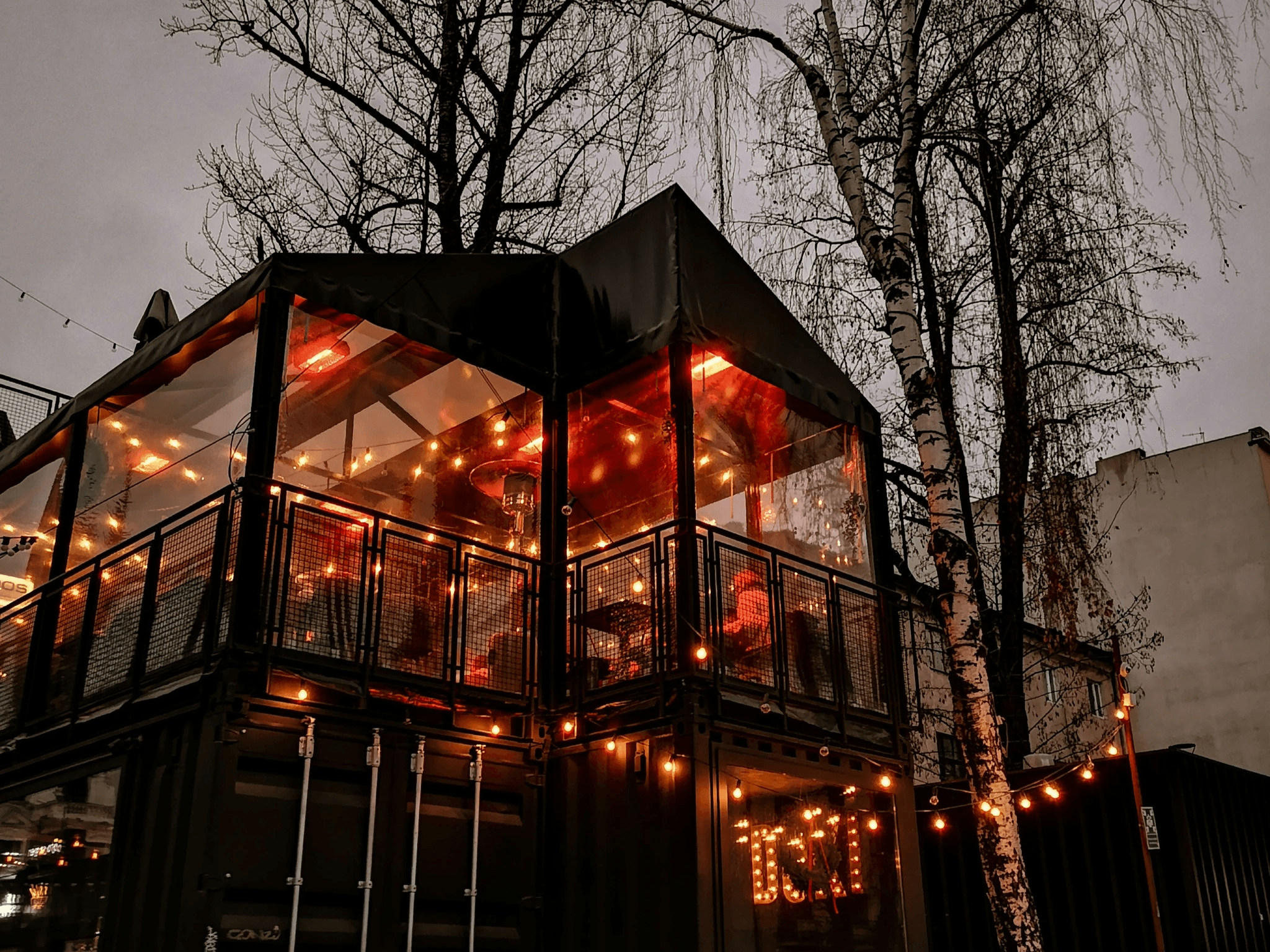
The culinary world is undergoing a transformation, with innovative container concepts leading the charge. From shipping container cafes to pop-up restaurants, these creative spaces are redefining how we experience food and community. With unique designs and flexible structures, they offer a fresh approach to dining that resonates with urban explorers and food enthusiasts alike.
Shipping containers have evolved from mere transportation units to trendy venues for dining and retail. They provide an eco-friendly solution for entrepreneurs looking to make their mark in the bustling world of pop-up restaurants. With their modular nature, these containers can be easily repurposed, allowing for endless possibilities in design and functionality.
Pop-up restaurants have surged in popularity, capturing the imagination of chefs and diners alike. These temporary eateries often utilize shipping containers as their base, creating a unique dining experience that is both accessible and exciting. The allure of pop-up restaurant container examples lies not only in their novelty but also in the opportunity they provide for culinary experimentation without the commitment of a permanent location.
The aesthetic appeal of shipping container cafes is undeniable; they boast an industrial charm that draws patrons in. With vibrant colors, striking graphics, and clever layouts, these spaces stand out against traditional brick-and-mortar establishments. As more entrepreneurs embrace shipping container marketing pop-ups, we see a rise in imaginative designs that reflect local culture while offering delicious food options.
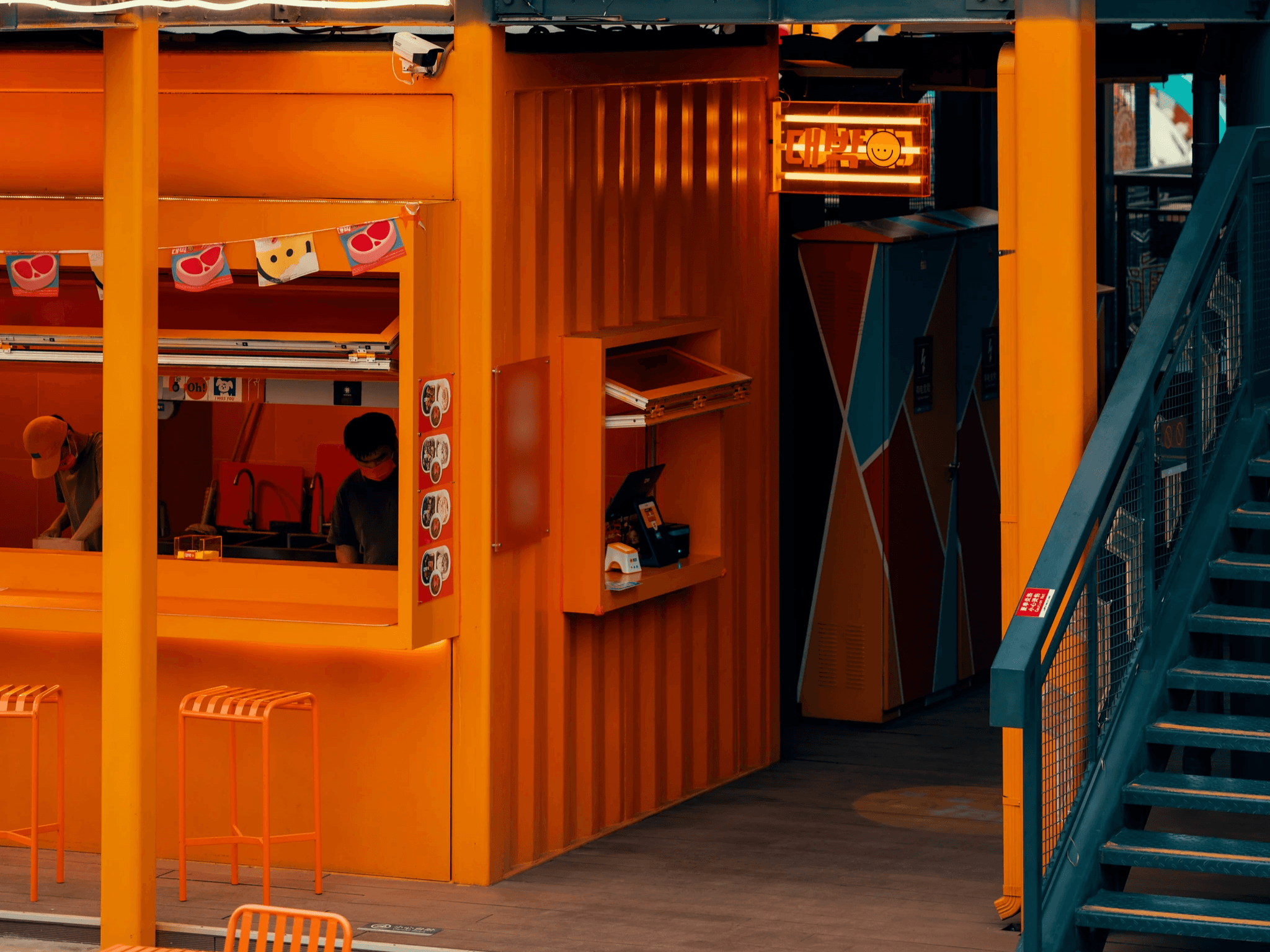
Shipping container restaurants are revolutionizing the dining scene, blending creativity with practicality. These pop-up restaurant container examples not only offer unique culinary experiences but also showcase innovative designs that transform urban landscapes. Let's explore some of the standout container restaurants making waves around the world.
Nestled in Seattle, La Marzocco Cafe is a prime example of how shipping container cafes can elevate coffee culture. This vibrant space serves as both a café and a showcase for artisanal coffee equipment, attracting both locals and tourists alike. With its sleek design and rotating menu featuring different roasters, it exemplifies how pop-up restaurants can create a dynamic dining experience.
The cafe's interior reflects a modern aesthetic while maintaining an inviting atmosphere, making it a perfect spot for coffee enthusiasts to gather. Visitors can enjoy expertly brewed beverages while learning about the craft behind each cup—an educational twist that makes this shipping container cafe stand out from traditional establishments. La Marzocco Cafe is not just about coffee; it's about community engagement and celebrating the art of brewing.
In the heart of Los Angeles, The Container Yard serves as an eclectic hub for food lovers and artists alike. This vibrant venue features multiple shipping containers transformed into eateries offering diverse cuisines—from tacos to gourmet burgers—making it one of the most exciting pop-up restaurant container examples in the city. With street art adorning its walls and live music events on weekends, The Container Yard captures LA's creative spirit perfectly.
The concept behind this dynamic space emphasizes collaboration among local chefs and artists, fostering a sense of community through shared experiences. Each visit promises something new as food vendors rotate frequently, showcasing their culinary talents in this unique setting. As one of many successful shipping container marketing pop-ups across the country, The Container Yard proves that innovation knows no bounds when it comes to dining.
Boxpark London takes modular dining to another level by combining retail with food offerings within its iconic shipping containers along Shoreditch’s bustling streets. This pioneering concept brings together independent eateries under one roof—think sushi bars next to vegan cafes—all housed within stylishly designed containers that create a lively atmosphere for diners and shoppers alike. It's no wonder Boxpark has become synonymous with trendy pop-up restaurants in London.
Boxpark’s commitment to supporting small businesses shines through its selection of vendors who often use locally sourced ingredients in their dishes. Beyond just serving up delicious meals, this innovative space hosts various events from live music performances to artisan markets, solidifying its status as more than just another shipping container store but rather a cultural hotspot in London’s ever-evolving landscape. It stands out as an exemplary model of how shipping containers can be repurposed creatively while bringing communities together around food and fun.
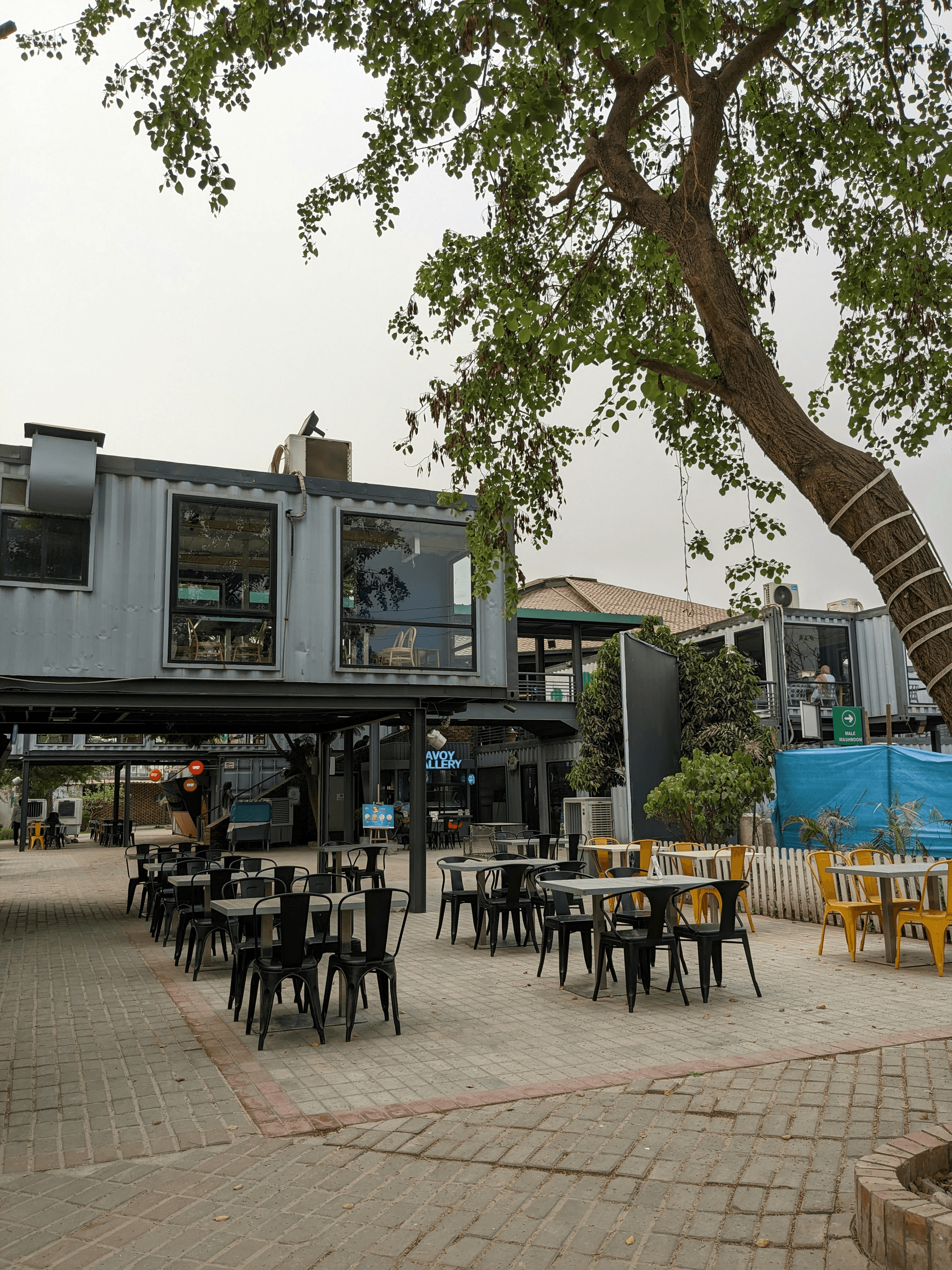
Shipping container cafes are redefining the coffee culture landscape, providing unique experiences that blend creativity with sustainability. These innovative spaces not only serve delicious brews but also stand out as pop-up restaurant container examples, making them a trendy choice for urban dwellers. As more entrepreneurs embrace this concept, the charm and allure of shipping container cafes continue to grow.
Nomad Pizza in New Jersey is a prime example of how shipping containers can be transformed into delightful dining spots. This cafe specializes in artisanal pizzas cooked in a wood-fired oven, all housed within a vibrant shipping container that adds an artistic flair to the surrounding area. As one of the notable shipping container cafes, Nomad Pizza exemplifies the fusion of quality food and innovative design that attracts both locals and visitors alike.
The ambiance at Nomad Pizza is casual yet inviting, making it an ideal spot for families or friends looking to enjoy a meal together. The use of repurposed materials not only supports sustainable practices but also contributes to the cafe's unique aesthetic appeal. With its commitment to fresh ingredients and creative toppings, Nomad Pizza stands out as a beloved destination among pop-up restaurants.
In Austin, The Coffee House has carved out its niche within the bustling coffee scene by utilizing a shipping container as its base of operations. This cozy cafe offers an array of specialty coffees alongside delectable pastries and light bites, proving that great taste can come from unexpected places like these pop-up restaurant container examples. The design elements incorporate local art and greenery, creating an inviting atmosphere that encourages patrons to linger.
The Coffee House thrives on community engagement by hosting events such as open mic nights and art showcases, further solidifying its status as more than just another coffee shop. This focus on building relationships within the neighborhood reflects the broader trend seen across many successful shipping container cafes today. With each cup brewed and every pastry served, The Coffee House embodies what it means to create lasting memories through thoughtful dining experiences.
Mad Cactus Cafe brings its own flavor to San Francisco's culinary scene with a quirky twist on traditional cafe offerings—all crafted from within a colorful shipping container setup. Known for their eclectic menu featuring globally inspired dishes alongside classic favorites, this cafe has quickly become known for its inventive approach to food presentation and flavor combinations. As one of the standout shipping container stores turned eateries, Mad Cactus Cafe showcases how versatility can thrive in compact spaces.
The vibrant decor inside Mad Cactus Cafe invites customers into an explosion of colors while providing comfortable seating arrangements perfect for socializing or working remotely. Their commitment to sourcing local ingredients aligns perfectly with sustainable practices seen across many pop-up restaurants today—making their impact felt beyond just delicious food alone! By embracing this model, Mad Cactus Cafe exemplifies how creative concepts can transform urban environments while appealing directly to modern consumers seeking unique dining experiences.

Shipping container stores have become a unique and trendy way to shop, blending sustainability with innovative design. These structures not only serve as retail spaces but also contribute to the urban landscape, making shopping an experience rather than a chore. Here’s a look at some standout examples that exemplify the creativity and functionality of shipping container stores.
The Vessel is an architectural marvel located in Hudson Yards, New York City, designed as a striking centerpiece for the area. This honeycomb-like structure consists of 154 interconnected flights of stairs made from steel and concrete, creating an interactive experience for visitors. While primarily an art installation, it also hosts pop-up restaurant containers that offer visitors delicious bites while they take in breathtaking views of the city skyline.
The integration of pop-up restaurant container examples within The Vessel enhances its appeal, allowing food vendors to showcase their culinary talents amidst stunning surroundings. This innovative use of shipping containers not only provides a platform for local chefs but also contributes to the overall vibrancy of Hudson Yards. As people flock to this iconic location, it’s clear that shipping container marketing pop-ups are redefining how we think about dining and shopping experiences.
In Portland, Oregon, ReUse Warehouse stands out as a prime example of how shipping container stores can promote sustainability while offering unique products. This store specializes in reclaimed materials and supplies for DIY projects, making it a haven for eco-conscious shoppers and creatives alike. The use of repurposed shipping containers adds character to the warehouse-style layout and aligns perfectly with its mission to encourage reuse over waste.
ReUse Warehouse not only showcases products but also hosts workshops that empower community members with skills in upcycling and sustainable practices. By incorporating pop-up restaurants into their events, they create an engaging atmosphere where shopping meets culinary exploration—truly embodying the spirit of shipping container cafes! With each visit, customers can enjoy delicious food while browsing through innovative materials that inspire creativity.
The Container Store has taken the concept of organization to new heights by utilizing shipping containers across various locations nationwide. Known for their wide range of storage solutions and organizational tools, this store is committed to providing functional yet stylish options for every home or office space. Their use of modular design elements often includes repurposed shipping containers that enhance both aesthetics and practicality.
 Container Houses vs Traditional Construction: 7 Reasons Modular Buildings Are Reshaping the Industry in 2026
 9States Welcomes Paraguayan and Brazilian Delegation: A New Chapter for Modular Buildings in South America
 Container Houses vs Traditional Construction: 2026 Cost, Time and Sustainability Comparison
 Modular Construction Market Trends to Watch in Summer 2026
