In the fast-paced world of construction, the role of site offices has evolved significantly. Portable site offices, in particular, have become essential tools for effective project management and coordination on job sites. Understanding what a site office is in construction can help teams optimize their workflow and enhance communication among various stakeholders.
Portable site offices are crucial for maintaining organization and efficiency on construction sites. They provide a centralized location for project managers, engineers, and workers to collaborate and share vital information. The flexibility offered by temporary site office construction allows teams to adapt to changing project needs while ensuring that essential resources are always within reach.
Temporary site offices offer numerous benefits that can significantly impact the success of a construction project. These structures not only save time but also reduce costs associated with permanent facilities, making them an attractive option for many contractors. By implementing a well-thought-out construction site office plan, teams can streamline operations and improve overall productivity.
What is a site office? At its core, it serves as the nerve center for any construction project, facilitating communication and decision-making among team members. In addition to housing essential equipment and documentation, understanding what is a site office in construction helps clarify its purpose—supporting project execution from start to finish while addressing common misconceptions about their function and necessity.

When embarking on a construction project, understanding what a site office is can be pivotal in ensuring smooth operations. A site office serves as the hub of activity on any construction site, providing essential space for planning, management, and coordination. But what exactly is a site office in construction? Let’s dive into its key features, purpose, and some common misconceptions that often surround it.
Site offices are designed with specific features that cater to the unique needs of construction projects. Typically equipped with essential amenities such as desks, meeting rooms, and communication tools, these offices facilitate efficient operations. Furthermore, they often include storage areas for important documents and equipment necessary for effective temporary site office construction.
Another key feature of site offices is their adaptability; they can be customized to fit various project requirements and sizes. Whether it's a small-scale renovation or a large infrastructure project, the design can be modified accordingly. This flexibility makes them invaluable in managing diverse tasks while maintaining productivity on-site.
Finally, many modern site offices incorporate technology solutions like Wi-Fi connectivity and digital project management tools to streamline workflows. With these features combined, it’s clear that understanding the key attributes of site offices is essential for anyone involved in construction projects.
The primary purpose of a site office in construction is to provide a centralized location for project management activities. It serves as the command center where teams collaborate to ensure that every aspect of the project runs smoothly—from scheduling tasks to managing resources effectively. Without an organized space dedicated to these functions, chaos could easily ensue on-site.
Moreover, temporary site offices also play an integral role in enhancing communication among team members and stakeholders. By having all relevant personnel within close proximity—such as contractors, architects, and engineers—decisions can be made quickly and efficiently without unnecessary delays. This streamlined communication fosters collaboration which ultimately leads to better outcomes for the entire project.
Additionally, having a dedicated space allows for proper documentation and record-keeping throughout the project's lifecycle. From safety protocols to progress reports—everything can be managed within this organized environment ensuring compliance with regulations while facilitating seamless operations.
Despite their importance in construction projects, there are several common misconceptions about what constitutes site offices and their roles within projects. One prevalent myth is that all site offices are permanent structures; however, many are actually portable or temporary setups designed specifically for short-term use during various phases of construction work.
Another misconception revolves around the belief that only large-scale projects require substantial office spaces on-site; this couldn't be further from reality! Even smaller projects benefit significantly from having designated areas where teams can meet regularly to discuss progress or address challenges—underscoring how crucial these spaces truly are regardless of size.
Lastly, some people may think that constructing a temporary site office requires extensive resources or complicated processes; however, learning how to build a site office efficiently involves straightforward planning and execution strategies tailored toward maximizing functionality without breaking budgets or timelines.
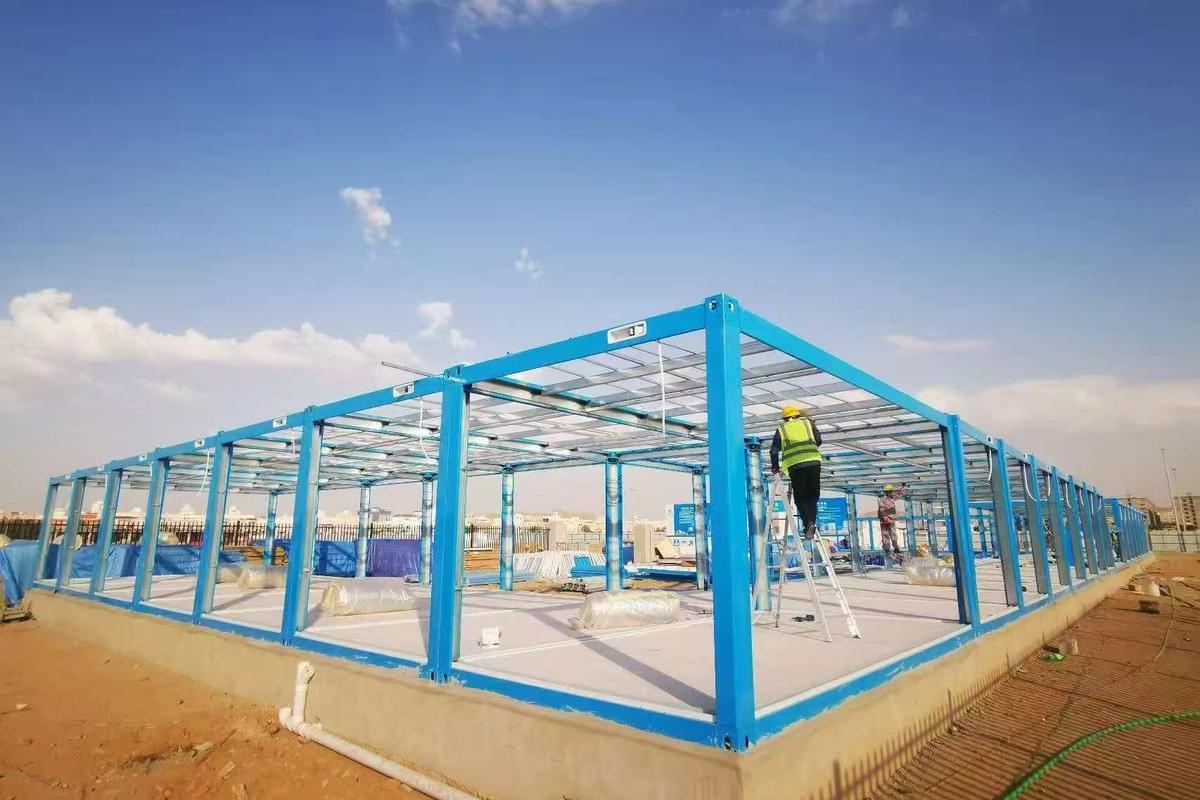
When it comes to site offices, understanding the different types available can be crucial for optimizing your construction project. There are three primary types of site offices, each with its unique characteristics and benefits. Knowing what these options entail will help you make informed decisions about your construction site office plan.
The three main types of site offices are modular offices, container offices, and traditional trailer offices. Modular offices are prefabricated structures that can be customized to fit specific needs, offering a more permanent solution while still being portable. Container offices utilize shipping containers as their base, providing robust and secure workspaces. Traditional trailer offices are mobile units that can easily be relocated but may lack some of the amenities found in modular or container options.
Each type of site office has its own set of pros and cons that can influence your choice in temporary site office construction. Modular offices offer customization but often come at a higher cost; they also require more time for installation compared to other types. Container offices provide excellent durability and security but may have limited space unless modified; they also tend to be heavier and less mobile than trailers. Traditional trailer offices are highly mobile and quick to set up but might not offer the same level of comfort or functionality as modular options.
Choosing the right type depends on your project's specific needs and duration. If you're looking for a long-term solution with customizable features, a modular office is ideal for extensive projects where collaboration is key—think large-scale commercial builds or ongoing renovations. For projects requiring high security or those in remote locations, container offices shine due to their resilience against harsh weather conditions while still being portable enough for relocation when necessary. Meanwhile, traditional trailer offices work best for short-term projects where mobility is crucial—like utility repairs or small residential builds—allowing you to set up quickly without compromising on essential workspace.
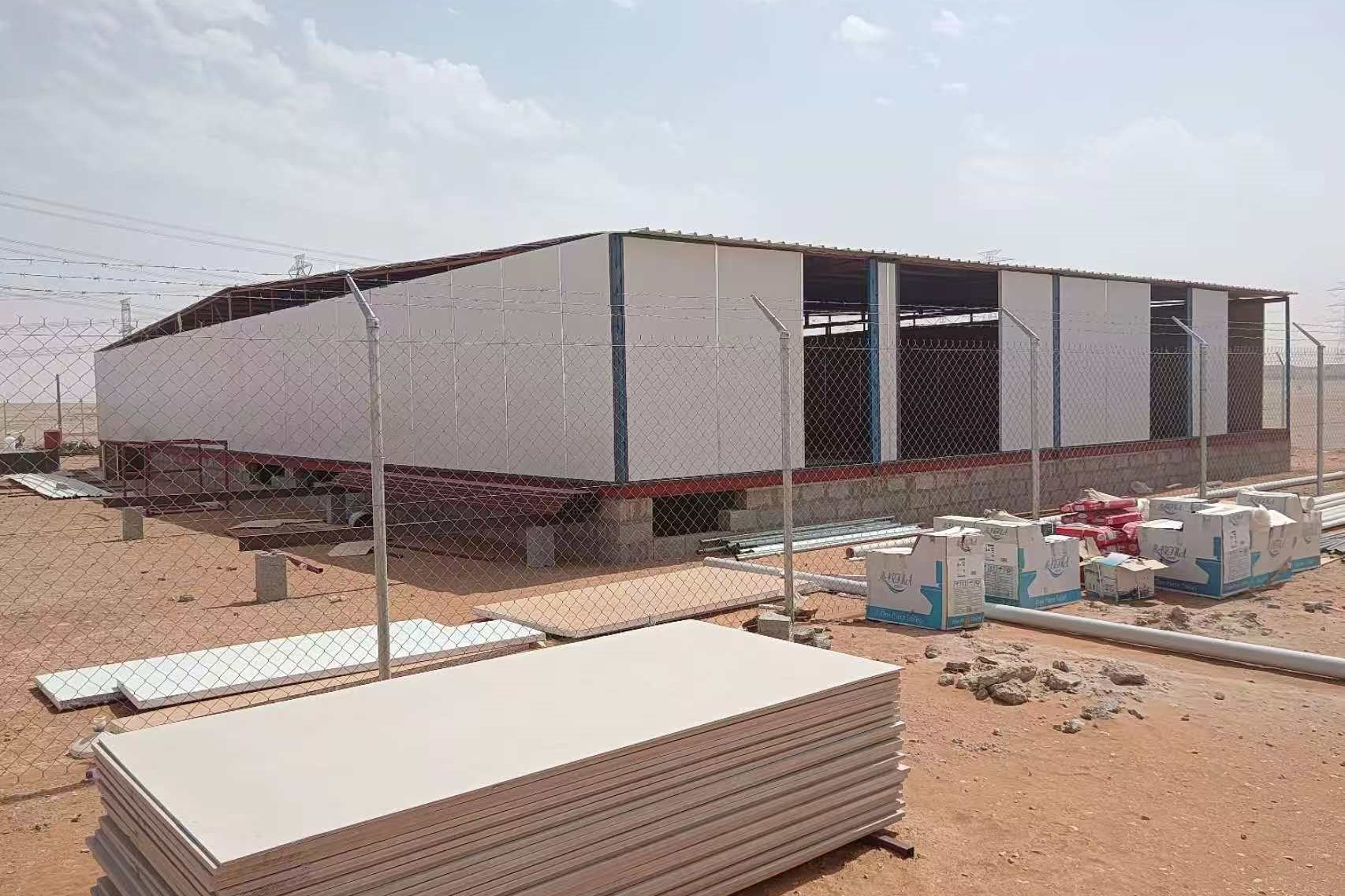
Planning your construction site office is not just about throwing up a few walls and calling it a day. A well-thought-out site office can dramatically enhance productivity, streamline operations, and serve as the nerve center for your project. It’s essential to consider various components that contribute to the efficiency of temporary site office construction.
When crafting a construction site office plan, several essential components come into play. First and foremost, you need to consider the layout; this includes workspaces for project managers, engineers, and administrative staff. Additionally, don’t forget about crucial amenities like meeting rooms, storage areas for documents and equipment, and restroom facilities—these are vital for keeping morale high on-site.
Another key element is technology integration; ensure that your site offices have reliable internet connectivity and communication tools to facilitate seamless collaboration among team members. Furthermore, safety features should be incorporated into your plan to protect both personnel and equipment from the unpredictable nature of construction sites. Ultimately, understanding what is a site office in construction? will guide you in creating an efficient workspace tailored to your project's needs.
Choosing the right location for your site office can significantly impact its effectiveness in managing operations on-site. Ideally, the site office should be positioned close to major activity zones within the construction area; this ensures easy access for all team members while minimizing travel time between workstations. Consider factors such as visibility from main roads or pathways—this not only enhances communication but also allows for easier monitoring of activities.
Moreover, think about environmental factors like drainage and weather conditions when selecting a location; you want your temporary site office construction to withstand elements without compromising functionality or safety. Don’t overlook accessibility either—make sure there are adequate routes for vehicles transporting materials or personnel so that workflow remains uninterrupted throughout the project duration.
Navigating regulations and permits is an unavoidable part of establishing any construction site office plan. Depending on local laws and building codes, you may require specific permits before setting up your temporary structures on-site—failure to comply could lead to costly delays or fines down the line! It’s advisable to consult with local authorities early in the planning process; they can provide guidance on what’s necessary regarding zoning laws or environmental regulations.
Additionally, ensure that all safety standards are met when constructing your site offices; this includes proper fire exits, electrical wiring inspections, and compliance with health regulations concerning sanitation facilities. Understanding what are the three types of offices? will also help clarify which type best suits regulatory requirements specific to your project scope.

Building a site office is an essential step in establishing a functional workspace on any construction project. Whether you're looking to create a temporary site office construction or a more permanent structure, understanding how to build a site office is crucial for effective project management. In this section, we will provide you with a comprehensive guide that covers everything from planning to execution.
First things first, let’s break down how to build a site office into manageable steps. Start by creating a construction site office plan that outlines your needs, including size and layout based on the number of personnel and equipment involved. Next, secure the necessary permits and ensure compliance with local regulations before laying the foundation—this step is often overlooked but critical in avoiding future headaches.
Once your foundation is set, it’s time for assembly! If you're opting for portable options like modular units or prefabricated structures, follow the manufacturer’s instructions closely for quick setup. Finally, don’t forget about utilities: electricity and plumbing are essential for comfort and productivity in any site office in construction.
When it comes to choosing materials for your site offices, consider durability and functionality above all else. Common choices include steel frames for structural integrity and weather-resistant materials like vinyl or aluminum siding that can withstand harsh conditions on-site. The design should also reflect the purpose of the space; open layouts encourage collaboration while separate offices provide privacy when needed.
Incorporate elements such as large windows for natural light or insulation materials that keep temperatures comfortable year-round—after all, no one wants to work in an oven! Remember that what you choose can affect not just aesthetics but also efficiency; so think about how each material aligns with your overall goals for productivity within your temporary site office construction.
Building an efficient yet budget-friendly site office doesn’t have to be rocket science! Consider renting portable units instead of constructing from scratch if you’re looking at short-term projects; this can significantly reduce costs while still providing necessary amenities. Additionally, sourcing second-hand materials or utilizing recycled components can help stretch your budget further without sacrificing quality.
Another savvy approach involves DIY solutions where feasible—simple tasks like painting or landscaping can be tackled by willing team members which not only saves money but fosters teamwork as well! Lastly, always keep an eye out for local suppliers who may offer discounts on bulk purchases; every little bit helps when managing expenses related to what is a site office?

Portable site offices have revolutionized the way construction projects are managed, offering a multitude of advantages that enhance efficiency and effectiveness on-site. These temporary site office constructions are designed to be moved as needed, making them an ideal solution for dynamic construction environments. Understanding these benefits can help project managers make informed decisions about their construction site office plans.
One of the standout features of portable site offices is their flexibility and mobility, which allows them to adapt to the ever-changing landscape of construction sites. When you ask yourself, What is a site office in construction? consider its ability to relocate quickly based on project needs or site conditions. This adaptability not only saves time but also minimizes disruptions, ensuring that operations continue smoothly regardless of external factors.
Moreover, this mobility means that temporary site office constructions can be set up at various locations without the need for extensive groundwork or permanent installations. For instance, if a project's focus shifts from one area to another, moving your site office becomes a breeze—no heavy lifting required! This level of flexibility supports teams in staying organized and connected no matter where they are on the job.
Effective communication is crucial in any construction project, and portable site offices significantly enhance this aspect by providing a centralized hub for team interactions. With easy access to essential resources and personnel right on-site, everyone involved can stay aligned on project goals and updates without wasting time traveling back to a distant headquarters. The question What are the three types of offices? becomes less relevant when you realize that portable options streamline communication across all types.
Additionally, having a dedicated space for meetings within these temporary structures fosters collaboration among team members who might otherwise struggle with miscommunication or delays due to distance. When workers feel connected through enhanced communication channels established by their construction site office plan, productivity naturally follows suit! The result? Projects move forward more efficiently than ever before.
The design of portable site offices contributes significantly to streamlining workflows within construction projects by eliminating unnecessary bottlenecks often caused by disorganization or lack of proper facilities. By centralizing operations within these mobile units, teams can access tools, documents, and resources effortlessly—no more running around trying to find what you need! When contemplating how to build a site office effectively, remember that organization is key; everything should have its place.
Moreover, streamlined workflows lead directly to improved timelines and reduced costs associated with delays or mismanagement—two critical concerns in any successful construction endeavor. Portable solutions allow for quick adjustments when challenges arise while maintaining productivity levels throughout the process; after all, who wants downtime? Embracing this approach ensures that every worker remains focused on their tasks rather than getting sidetracked by logistical challenges.
In the fast-paced world of construction, the importance of site offices cannot be overstated. They serve as the nerve center for project management, ensuring that every aspect of temporary site office construction runs smoothly. By understanding what a site office is in construction and how to build a site office effectively, you can elevate your project management efficiency to new heights.
Efficient project management hinges on clear communication and organized workflows, both of which are greatly enhanced by well-planned site offices. A solid construction site office plan allows teams to collaborate more effectively, addressing challenges as they arise without losing momentum. When you understand what is a site office and its role in construction projects, you can tailor your approach to maximize efficiency and productivity.
The landscape of construction is evolving, with increased emphasis on flexibility and adaptability—qualities inherent in modern site offices. As we look to the future, innovations such as modular designs and sustainable materials will redefine what is a site office in construction today. Understanding the three types of offices available allows project managers to choose solutions that align with their specific needs while embracing trends that promote efficiency and sustainability.
When it comes to creating an effective temporary site office construction strategy, partnering with experts like 9States can provide invaluable insights into best practices and innovative solutions. Their expertise ensures that your construction site office plan is not only compliant with regulations but also optimized for productivity and collaboration among team members. By leveraging their knowledge on how to build a site office tailored to your project's unique requirements, you can achieve significant improvements in workflow efficiency.
 How to Install a Modular Container Home: A Step-by-Step Construction Guide
 How Modular Container Hospitals Are Delivering Healthcare to Underserved Regions: A Practical Guide
 How Modular Container Hotels Are Redefining Hospitality in Remote Destinations
 What Makes Flat-Pack Container Homes a Smart Choice for Remote Areas: A Complete Technical Breakdown
