In today’s educational landscape, the need for flexible learning environments has never been more pressing. Portable temporary classrooms have emerged as a practical solution to address space shortages in schools while providing students with a conducive learning atmosphere. Whether you’re considering their benefits, exploring options like Portable Classrooms for Sale or Lease, or simply wondering about the costs involved, understanding these modular classrooms can help you make informed decisions.
So, what is a temporary classroom? Essentially, these are prefabricated structures designed to serve as additional learning spaces that can be easily relocated or installed on school grounds. Unlike traditional classrooms that require extensive construction and permanent fixtures, temporary classrooms offer versatility and adaptability to meet evolving educational needs.
The advantages of modular classrooms are numerous and compelling. First off, they provide rapid deployment options that allow schools to quickly accommodate growing student populations without the lengthy delays associated with traditional building methods. Additionally, these portable spaces can be customized to fit various educational purposes and settings while maintaining a comfortable environment conducive to learning.
When it comes to budgeting for educational infrastructure, many ask: how much does it cost for a portable classroom? Generally speaking, these units can be more affordable than constructing new buildings from scratch due to lower labor costs and reduced timeframes for installation. Moreover, factors such as lease vs. purchase decisions can significantly impact overall expenses; thus understanding your options is crucial in maximizing cost-effectiveness while ensuring quality education delivery.

Temporary classrooms are innovative solutions designed to address immediate educational needs without the long-term commitment associated with traditional school buildings. Often referred to as modular classrooms, these structures provide a flexible and adaptable learning environment. They can be quickly deployed and customized, making them an attractive option for schools facing space shortages or unexpected increases in student enrollment.
So, what is a temporary classroom? Simply put, it's a portable structure that serves as a classroom for students and teachers, typically used for short to medium-term educational purposes. These classrooms can be constructed off-site and transported to various locations, allowing schools to respond swiftly to changing demands without the hassle of permanent construction.
Temporary classrooms are utilized in various scenarios, including during school renovations, natural disasters, or unexpected population surges in certain areas. They serve not only as additional learning spaces but also as specialized facilities for programs like art or music that may require dedicated areas. With their versatility, many districts find themselves exploring options like Portable Classrooms for Sale or Lease when traditional space becomes limited.
When comparing temporary classrooms with traditional classrooms, several key differences emerge. Traditional classrooms are typically permanent structures built with significant investment and time commitments; on the other hand, temporary classrooms offer flexibility and speed in deployment. Additionally, while traditional classrooms might boast more extensive facilities like built-in storage and permanent fixtures, modular classrooms can still provide essential amenities tailored to meet specific educational needs—making them an appealing alternative.

When considering educational environments, modular classrooms emerge as a practical and innovative solution. These temporary classrooms are designed to meet the diverse needs of schools facing space constraints or urgent enrollment increases. By opting for modular classrooms, institutions can create functional learning spaces without the long-term commitment typically associated with traditional construction.
Modular classrooms offer numerous advantages that make them an appealing choice for schools and educational institutions. First, they can be constructed quickly and efficiently, allowing for immediate use in response to urgent needs—perfect for those wondering what is a temporary classroom? Additionally, these portable classrooms provide flexibility in design and layout, enabling schools to customize their learning environments based on specific requirements. Lastly, cost-effectiveness is a major draw; many are curious about how much does it cost for a portable classroom? With lower upfront costs compared to traditional buildings, modular options often lead to significant savings over time.
The construction process of modular classrooms is streamlined and efficient, making them an attractive option for schools in need of quick solutions. Typically built off-site in controlled environments, these structures are assembled using high-quality materials that meet safety standards—ensuring longevity even as temporary classrooms. Once completed, the modules are transported to the designated location and connected seamlessly with existing infrastructure, allowing educational facilities to expand rapidly without extensive disruption.
Across the country, many schools have successfully integrated modular classrooms into their campuses as a response to growing student populations or renovations of existing facilities. For instance, districts facing unexpected enrollment spikes have turned to portable classrooms for sale near me as an immediate solution while maintaining quality education standards. These examples showcase how versatile and effective modular solutions can be when addressing various educational challenges while ensuring that students remain engaged in conducive learning environments.
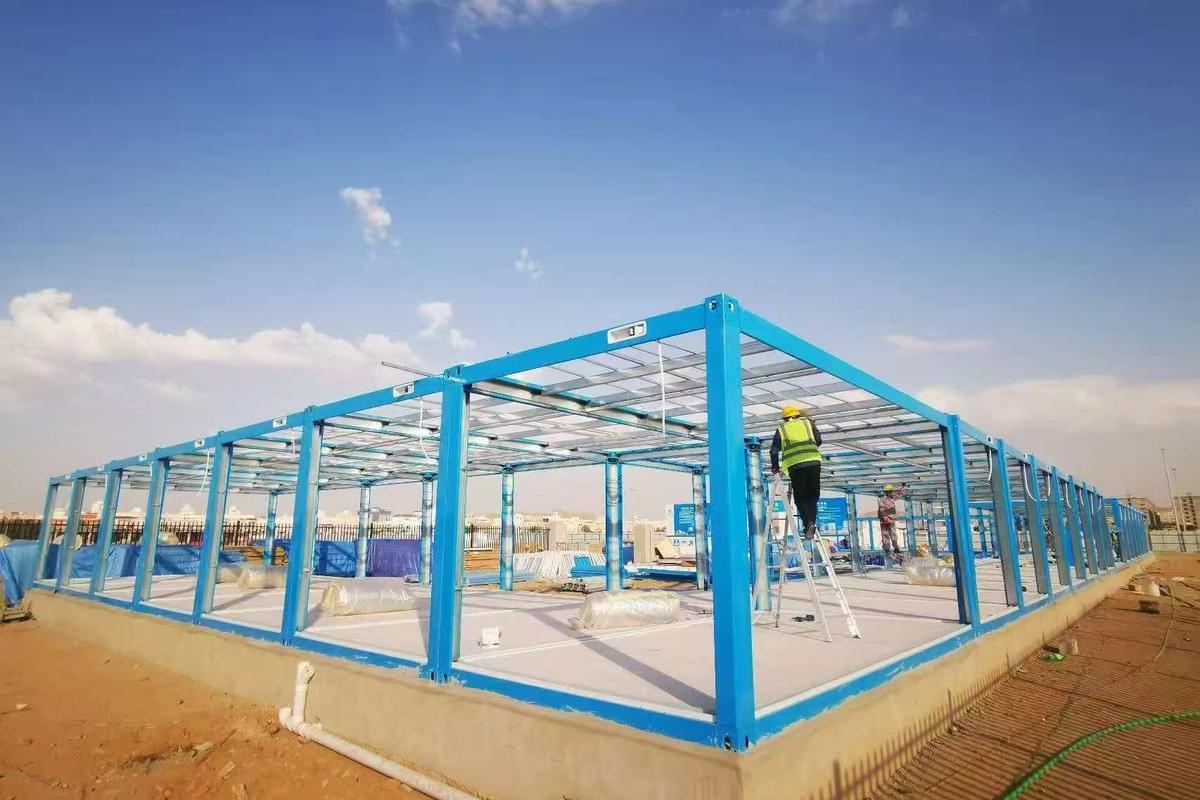
In the world of education, the need for flexible learning environments is ever-growing. This has led to an increase in interest around portable classrooms for sale or lease. Whether you're a school administrator looking to expand your facilities or a community organization needing extra space, understanding your options can make all the difference.
Finding portable classrooms for sale near me is easier than you might think! Many manufacturers and suppliers specialize in modular classrooms, offering both new and used options that cater to various educational needs. A quick online search can point you toward local dealers, auction sites, and even government surplus sales where temporary classrooms are available.
Additionally, networking with other educational institutions can provide leads on where to find quality portable classrooms for sale or lease. Many schools have successfully navigated this terrain and can offer recommendations based on their experiences. Don't forget to check social media platforms and community boards; sometimes the best deals come from unexpected places!
When considering whether to lease or purchase temporary classrooms, several factors come into play that can influence your decision-making process. First off, budget constraints often dictate whether leasing is more viable in the short term compared to making a significant upfront investment in purchasing modular classrooms outright. Additionally, consider how long you'll need the classroom—if it’s only for a few months during renovations or emergencies, leasing may be the smarter choice.
Another important factor is maintenance responsibility; leasing typically means that the provider will handle upkeep, while owning might require budgeting for repairs over time. Lastly, think about future needs—will your school require more space down the line? If so, opting for a lease could allow you flexibility without committing long-term.
So how much does it cost for a portable classroom? The price range varies widely depending on size, features, and whether you're purchasing new or used units. Generally speaking, you can expect costs to start around $10,000 for basic models and go up significantly from there if you're looking at larger spaces with advanced amenities.
When evaluating pricing options for temporary classrooms, it's essential to factor in additional costs such as delivery fees and installation expenses which may not be included in initial quotes. Furthermore, if you're considering leasing instead of buying outright, you'll want to compare monthly rates against potential purchase prices over time—this will help ensure that whichever route you choose aligns with your budgetary goals.

When it comes to maximizing learning environments, understanding the capacity and space utilization of temporary classrooms is essential. These portable classrooms are designed to be flexible and efficient, accommodating varying numbers of students based on the specific needs of the educational institution. With thoughtful planning, schools can create effective learning spaces that optimize both comfort and engagement.
The question How many students can fit in a portable classroom? often arises when schools consider their options for expanding or adapting their facilities. Typically, a standard modular classroom can comfortably accommodate between 20 to 30 students, depending on its size and layout. However, this number can vary based on local regulations and the specific design of temporary classrooms; some may allow for larger groups if configured appropriately.
To truly make the most out of your temporary classrooms, exploring various configurations is key. Schools often use flexible furniture arrangements that allow for different teaching styles—think movable desks or collapsible seating that can adapt to group activities or individual workspaces. Additionally, utilizing wall-mounted storage solutions helps keep floors clear while providing easy access to materials, ultimately enhancing the learning experience in these portable classrooms.
Planning for different grade levels in portable classrooms requires careful consideration of both space and resources. Younger students may need more room for movement and interactive activities, while older students might benefit from dedicated study areas with technology access. By tailoring the setup according to age groups—such as creating distinct zones within modular classrooms—educators can ensure that all learners thrive in these adaptable environments.
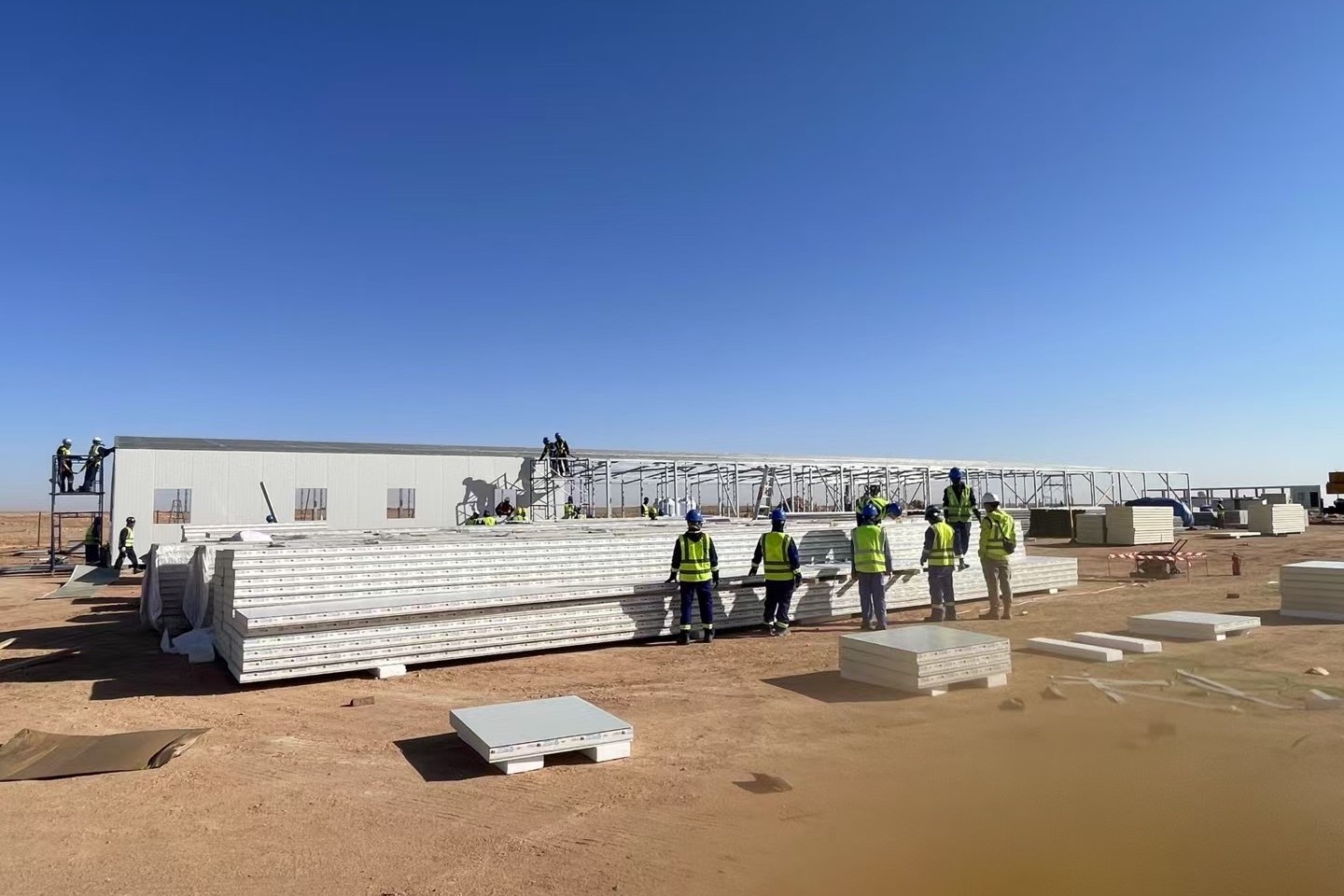
Setting up temporary classrooms is a process that requires careful planning and execution to ensure a smooth transition from concept to reality. The installation of these modular classrooms involves several key steps, which vary depending on the specific requirements of the educational institution. Understanding these steps can help schools make informed decisions when exploring options for Portable Classrooms for Sale or Lease.
The first step in installing temporary classrooms is site preparation, which includes assessing the location for accessibility and utility connections. Once the site is ready, delivery of the modular units takes place, followed by assembly on-site, where each section is connected to form a complete classroom environment. After assembly, final touches such as interior setup, utility connections, and safety inspections are conducted to ensure everything meets local regulations.
In addition to physical installation, schools should also consider logistical elements like scheduling classes around construction timelines. This ensures minimal disruption to students during the transition period. Ultimately, proper planning during this stage will lead to a successful implementation of portable classrooms.
9States plays a crucial role in facilitating the installation of temporary classrooms by providing guidance on regulatory compliance and best practices throughout the process. They assist with navigating local zoning laws and building codes that govern where and how portable classrooms can be set up. Additionally, 9States often collaborates with contractors specializing in modular classroom installations to streamline operations.
Their expertise helps schools avoid common pitfalls associated with setting up temporary classrooms while ensuring that installations are efficient and cost-effective. With 9States' involvement, institutions can focus more on their educational mission rather than getting bogged down by administrative hurdles or logistical nightmares.
The timeline for deploying portable classrooms can vary based on several factors including site preparation time, delivery schedules, and local regulations governing installation processes. Generally speaking, once all permits are secured and site preparations are complete, it may take anywhere from a few weeks to several months before students can comfortably occupy their new learning spaces.
Schools need to communicate effectively with contractors and stakeholders throughout this timeline to ensure everyone is aligned regarding expectations and deadlines—especially when considering how many students can fit in a portable classroom once it’s ready for use! By maintaining open lines of communication during deployment phases, institutions can better facilitate transitions into their new modular environments.
In wrapping up our exploration of portable classrooms, it's clear that these flexible learning environments provide a multitude of advantages for educational institutions. From their cost-effectiveness to their adaptability in various settings, temporary classrooms are becoming increasingly popular among schools looking to accommodate growing student populations. As we look ahead, the future of education may very well hinge on the smart integration of modular classrooms into traditional learning landscapes.
Portable classrooms offer several key advantages that make them an attractive option for schools and educational institutions alike. One significant benefit is their rapid deployment; schools can quickly set up temporary classrooms to meet immediate needs without lengthy construction delays. Additionally, these structures are often more affordable than traditional buildings, sparking interest in questions like How much does it cost for a portable classroom? which typically yields budget-friendly answers compared to permanent solutions.
Moreover, the flexibility offered by modular classrooms allows for easy relocation or reconfiguration based on changing requirements. This means that whether you're dealing with fluctuating enrollment numbers or needing additional space for specific programs, portable classrooms can adapt without breaking the bank or disrupting daily operations. As schools continue to evolve and expand, the demand for versatile solutions like these will undoubtedly grow.
When considering portable classrooms for sale or lease, it's essential to evaluate your specific needs carefully before making a decision. Factors such as intended use—whether it's for temporary overflow during renovations or long-term classroom space—will influence your choice significantly. Additionally, understanding how many students can fit in a portable classroom is crucial; ensuring adequate space helps maintain a conducive learning environment while adhering to safety regulations.
It's also wise to consider features such as insulation and ventilation when selecting from available options labeled portable classrooms for sale near me. Each school has unique requirements based on its location and climate; thus, tailoring your choice ensures not just functionality but also comfort year-round. Ultimately, aligning your selection with both immediate and future needs will yield long-term benefits.
Looking toward the future of temporary learning environments reveals an exciting landscape filled with possibilities driven by innovation and necessity. As educational institutions face challenges like overcrowding and budget constraints, modular classrooms are poised to play an increasingly vital role in shaping how we think about schooling spaces. The trend toward sustainability may also influence this sector as eco-friendly materials become more accessible for constructing temporary classrooms.
Furthermore, advancements in technology will likely enhance these spaces' capabilities—think smart boards integrated into mobile units or energy-efficient designs that minimize operational costs over time. As educators continue exploring new methods of engaging students outside traditional settings, we may see even more creative uses emerge within both permanent and modular structures alike. In this dynamic environment where flexibility meets functionality, one thing is certain: portable classrooms are here to stay!
 How to Install a Modular Container Home: A Step-by-Step Construction Guide
 How Modular Container Hospitals Are Delivering Healthcare to Underserved Regions: A Practical Guide
 How Modular Container Hotels Are Redefining Hospitality in Remote Destinations
 What Makes Flat-Pack Container Homes a Smart Choice for Remote Areas: A Complete Technical Breakdown
