
In today’s fast-paced world, the concept of a portable office has transformed dramatically, catering to the evolving needs of businesses and professionals alike. Gone are the days when an office was synonymous with a fixed location; modern portable office buildings now offer innovative solutions that blend flexibility with functionality. This shift towards modular structures not only enhances productivity but also aligns with the dynamic nature of contemporary work environments.
A modern portable office is more than just a temporary workspace; it's a versatile environment designed to adapt to various business requirements. These modular buildings come in different forms, including containerized offices and customized layouts, making them suitable for various industries. With features like smart technology integration and energy efficiency, portable office buildings are revolutionizing how we approach workspaces.
The importance of modular structures cannot be overstated in our rapidly changing economic landscape. They provide businesses with cost-effective solutions that can be deployed quickly without sacrificing quality or comfort. As companies increasingly seek agility and scalability, temporary modular office buildings have emerged as a practical answer to fluctuating demands and workforce mobility.
One of the most compelling aspects of temporary modular offices is their inherent flexibility in design and usage. Whether you need additional space for a project team or a pop-up location for an event, these portable office solutions can be tailored to fit specific needs easily. This adaptability not only saves time during setup but also allows businesses to pivot quickly in response to market changes or operational demands.

The rise of containerized offices marks a significant shift in how businesses approach workspace solutions. These innovative structures are transforming the landscape of portable office buildings, offering a unique blend of flexibility and functionality. As the demand for modular buildings continues to grow, companies are increasingly exploring temporary modular office buildings as an effective solution to their spatial needs.
Containerized office spaces come with a myriad of advantages that make them an attractive option for businesses. First and foremost, they offer unparalleled mobility; organizations can easily relocate their portable office setups without the hassle typically associated with traditional office relocations. Additionally, containerized offices are designed to be eco-friendly, often utilizing recycled materials and energy-efficient technologies that align with modern sustainability goals.
Another key advantage is cost-effectiveness. Modular structures generally require less time and labor to construct compared to conventional buildings, resulting in significant savings for businesses looking to optimize budgets. Furthermore, these temporary modular office buildings can be customized to fit specific needs while maintaining a streamlined design process that minimizes delays.
Several companies have successfully embraced containerized offices, showcasing their versatility and practicality in real-world applications. For instance, a tech startup based in Silicon Valley transformed shipping containers into vibrant workspaces that foster collaboration and creativity among employees. This approach not only reduced costs but also created an inspiring environment that reflected the company’s innovative spirit.
Another compelling case involves a construction firm that utilized portable office buildings on-site during major projects. By employing modular building offices made from repurposed shipping containers, they ensured efficient communication between teams while maintaining a minimal environmental footprint. These examples illustrate how containerized offices can enhance productivity while providing practical solutions tailored to specific industry needs.
The market for containerized offices is rapidly evolving, with several key players leading the charge in this innovative sector. Companies like MODS International specialize in designing custom portable office solutions that cater to diverse industries ranging from education to construction projects. Their expertise ensures clients receive tailored modular structures designed for maximum efficiency and aesthetic appeal.
Another notable player is Mobile Mini Solutions, which offers versatile temporary modular office buildings equipped with modern amenities suitable for any business environment. Their commitment to quality and customer satisfaction has positioned them as leaders within the industry, helping organizations transition seamlessly into flexible workspace arrangements. As demand continues to rise for portable offices, these key players will undoubtedly shape the future landscape of modular building solutions.
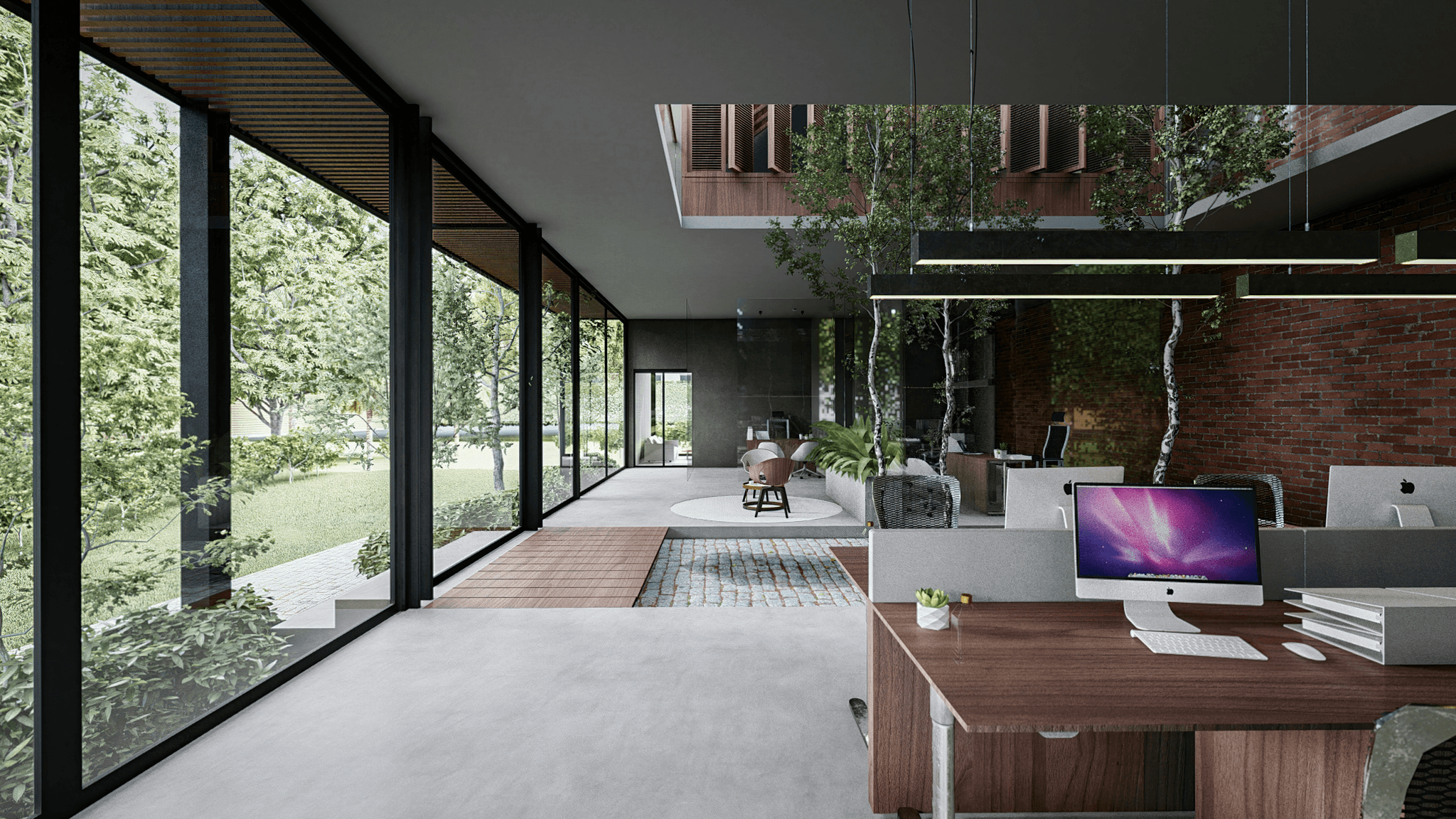
When it comes to portable office buildings, the design and functionality must go hand in hand. These modular structures are not just about being temporary; they need to provide a comfortable and efficient workspace that meets the demands of modern businesses. Therefore, understanding key features is essential for maximizing their potential.
The interior design of portable offices plays a crucial role in creating an inviting atmosphere that promotes productivity. Modular buildings should be designed with flexibility in mind, allowing for various layouts that can adapt to different needs—be it open spaces for collaboration or private areas for focused work. Additionally, incorporating elements like natural light, ergonomic furniture, and soundproofing can significantly enhance the work environment within these temporary modular office buildings.
Color schemes and branding opportunities also come into play here; using company colors can foster a sense of identity even within a containerized office setting. It's vital to create an environment where employees feel motivated and comfortable, which ultimately reflects on their performance. With thoughtful interior design considerations, portable office buildings can transform into inspiring workplaces.
In today's increasingly digital landscape, tech integration is paramount for any portable office solution. Modular building offices must be equipped with robust internet connectivity options, power sources, and communication tools to facilitate seamless remote work experiences. Features such as built-in video conferencing capabilities and collaborative software setups allow teams to connect effortlessly from anywhere.
Moreover, smart technology options like automated lighting systems or climate control can enhance energy efficiency while providing comfort tailored to individual preferences. The goal is not just to have a workspace but one that supports modern workflows and enhances collaboration among team members—whether they’re working onsite or remotely from different locations in their containerized offices.
Sustainability is no longer just a buzzword; it's an essential feature in the design of portable office buildings today. Modular structures are often constructed using eco-friendly materials that minimize waste during production while maximizing energy efficiency once installed on-site. This approach not only reduces the carbon footprint but also lowers operational costs over time.
Incorporating solar panels or green roofing solutions within these temporary modular office buildings further underscores commitment to sustainability by harnessing renewable energy sources. Additionally, advanced insulation techniques contribute significantly to maintaining comfortable temperatures without excessive reliance on heating or cooling systems—making these spaces both environmentally friendly and cost-effective in the long run.

The world of modular buildings is evolving rapidly, with innovations making portable office solutions more appealing than ever. As businesses adapt to changing work environments, temporary modular office buildings are becoming a staple for flexibility and efficiency. Embracing advancements in materials and technology is essential for meeting the demands of modern workspaces.
The use of cutting-edge materials in modular construction has revolutionized the way portable office buildings are designed and built. Lightweight yet durable options like structural insulated panels (SIPs) and advanced composites allow for quicker assembly without compromising on strength or aesthetics. These innovative materials not only enhance the overall performance of modular structures but also contribute to energy efficiency, making them a smart choice for sustainable design.
Moreover, the integration of eco-friendly materials is gaining traction within the industry, aligning with global sustainability goals. Recycled steel and low-VOC (volatile organic compounds) finishes are now commonplace in containerized offices, promoting healthier indoor environments while reducing environmental impact. As companies increasingly prioritize green building practices, these materials will play a crucial role in shaping the future of portable offices.
Smart technology is another game-changer for modular building offices, transforming how we think about workspace functionality and connectivity. With features like IoT-enabled devices and automated systems, these portable office solutions can optimize energy use and enhance comfort levels for occupants. Imagine controlling lighting, heating, or cooling through a smartphone app—this level of convenience makes temporary modular office buildings not just practical but also highly desirable.
Furthermore, integrating advanced communication technologies ensures that remote workers can stay connected seamlessly from their containerized offices. High-speed internet access and collaborative tools make it easier than ever to maintain productivity regardless of location. As businesses continue to embrace hybrid work models, smart technology will be pivotal in ensuring that portable office buildings remain relevant.
9States has emerged as a key player in the realm of modern modular solutions by focusing on innovation and customer satisfaction within the industry. Their commitment to developing state-of-the-art portable office designs has positioned them at the forefront of this evolving market segment. By offering customizable options tailored to specific business needs, 9States helps organizations find their ideal temporary modular office buildings that align with their operational goals.
 Container Houses vs Traditional Construction: 7 Reasons Modular Buildings Are Reshaping the Industry in 2026
 9States Welcomes Paraguayan and Brazilian Delegation: A New Chapter for Modular Buildings in South America
 Container Houses vs Traditional Construction: 2026 Cost, Time and Sustainability Comparison
 Modular Construction Market Trends to Watch in Summer 2026
