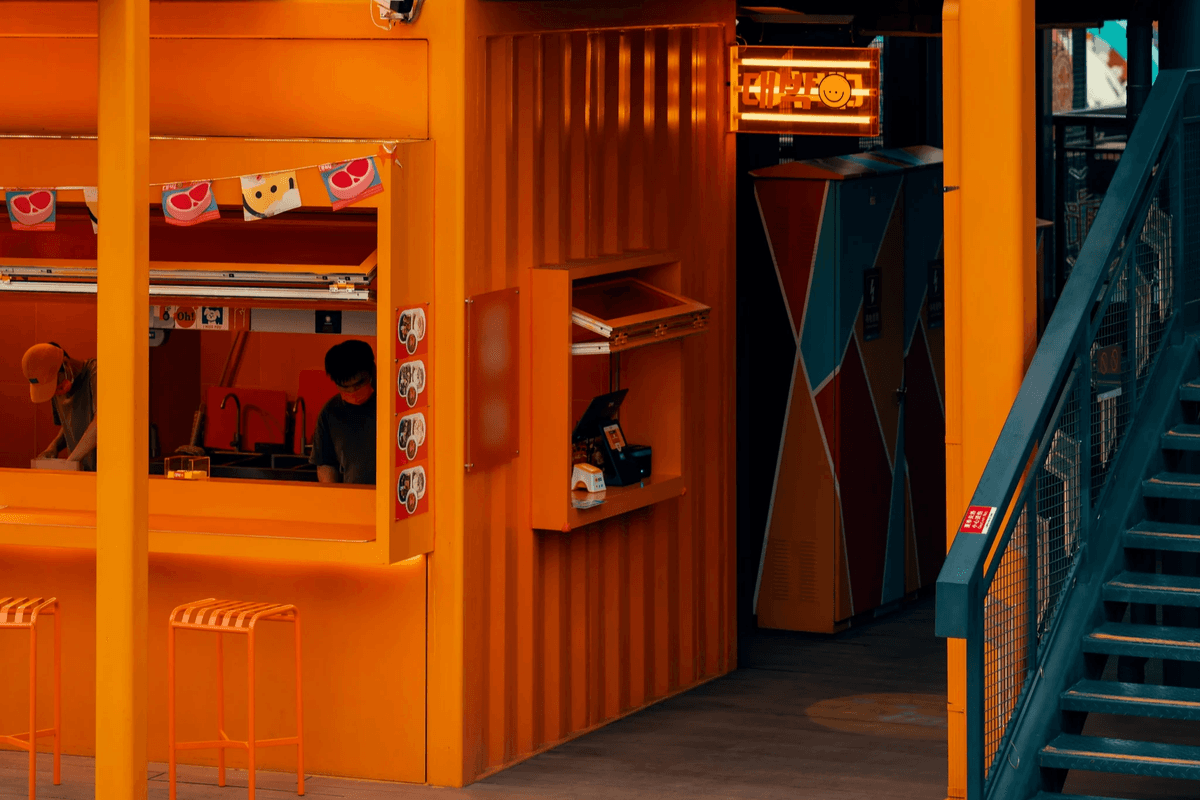
In recent years, the retail landscape has witnessed a remarkable transformation with the rise of shipping container shops. These innovative spaces, often referred to as Shipping Container Stores, have become popular alternatives to traditional brick-and-mortar establishments. With their unique designs and eco-friendly appeal, Custom Shipping Container Retail Stores are redefining how we think about shopping and community engagement.
Shipping container shops have emerged as a trendy solution for entrepreneurs looking to launch their businesses without the hefty price tag associated with conventional storefronts. The question on many minds is: How much does a 20 feet container cost? Surprisingly affordable, these versatile containers can be transformed into vibrant Pop-Up Shops or even chic Pop-Up Cafe & Bar Solutions that attract customers and create buzz in urban environments.
Each Custom Shipping Container Retail Store can be tailored to meet specific needs, from layout adjustments to unique facades that catch the eye of passersby. This level of personalization not only enhances customer experience but also fosters a sense of community within these creative retail spaces.
The versatility of shipping containers invites endless possibilities for creative retail spaces that challenge traditional design norms. From minimalist aesthetics to bold color schemes, each shipping container shop tells its own story through design choices that resonate with its target audience. By thinking outside the box—literally—entrepreneurs are not just selling products; they are crafting experiences that engage customers in new and exciting ways.

Shipping containers have rapidly emerged as a popular choice for retail spaces, thanks to their unique advantages. From eco-friendliness to cost-effectiveness and flexibility, these modular structures are revolutionizing the concept of retail. In this section, we’ll explore how shipping container shops can benefit business owners and consumers alike.
One of the standout benefits of shipping container shops is their eco-friendly nature. By repurposing old containers, retailers can significantly reduce waste and promote sustainability in their operations. This not only appeals to environmentally conscious consumers but also aligns with global efforts toward greener business practices.
Moreover, Custom Shipping Container Retail Stores often incorporate energy-efficient technologies such as solar panels and rainwater harvesting systems, further enhancing their sustainability credentials. This eco-friendly approach is particularly attractive for Pop-Up Shops looking to make a positive impact while still being trendy and innovative. As more businesses prioritize sustainability, shipping container stores provide an excellent platform for showcasing green initiatives.
When it comes to setting up a retail space, cost is a significant factor that cannot be overlooked. Shipping container shops offer a budget-friendly alternative compared to traditional brick-and-mortar establishments. How much does a 20 feet container cost? Generally speaking, the price can range from $1,500 to $5,000 depending on condition and location—far less than leasing or building a commercial space.
Additionally, the reduced need for extensive renovations means that business owners can save even more money when creating their ideal Pop-Up Cafe & Bar Solutions or retail environments. With lower overhead costs associated with shipping container stores, entrepreneurs can allocate funds toward marketing or product development instead—making it an attractive option for startups and small businesses alike.
Flexibility is another major advantage offered by shipping containers in retail design. These modular units can be easily customized to fit various layouts, allowing retailers to create unique shopping experiences tailored to their brand identity. Whether you’re looking for an open concept design or multi-container configurations for larger spaces, the possibilities are virtually endless.
Furthermore, Custom Shipping Container Retail Stores can be relocated with relative ease compared to traditional buildings—ideal for seasonal Pop-Up Shops that want to capitalize on foot traffic during peak times or special events. This adaptability not only enhances creativity in design but also allows businesses to respond quickly to market demands without being tied down by conventional real estate constraints.
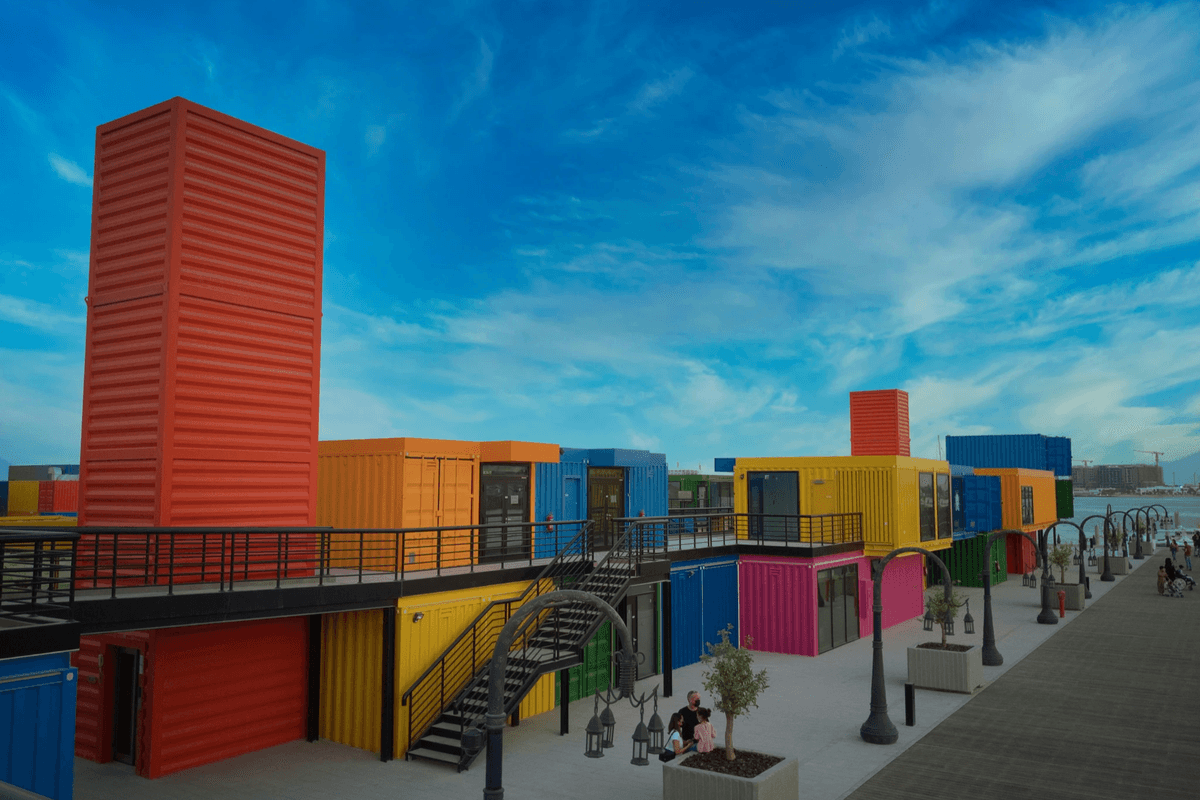
Shipping container shops have been popping up all over the globe, showcasing the versatility and creativity that these structures can offer. From trendy pop-up cafes to permanent retail solutions, custom shipping container retail stores are revolutionizing the way we think about shopping spaces. Let’s take a closer look at some standout examples of how shipping containers are being utilized in retail.
9States Shanghai Modular Building Co.,Ltd. is a prime example of innovative design using shipping containers in urban environments. This company specializes in creating unique shipping container shops that blend seamlessly into city landscapes while offering functional retail spaces. Their projects not only highlight how much does a 20 feet container cost but also demonstrate the endless possibilities for customization and branding in these modular units.
The vibrant colors and clever layouts of their custom shipping container retail stores attract both locals and tourists alike, making them popular destinations for shopping and dining. With an emphasis on sustainability, 9States integrates eco-friendly materials and practices into their designs, ensuring that each project aligns with modern environmental standards. As more cities embrace this trend, the influence of companies like 9States will undoubtedly continue to grow.
Boxpark in London is often hailed as one of the pioneers of the shipping container shop concept, having transformed disused space into a bustling hub of activity. This innovative project features an array of pop-up shops housed within repurposed shipping containers, creating a vibrant marketplace filled with unique offerings from local businesses. The flexibility offered by these custom shipping container retail stores allows entrepreneurs to test their products without committing to long-term leases.
Visitors flock to Boxpark not only for shopping but also for its lively atmosphere complete with food vendors and entertainment options like live music events—making it more than just a shopping destination; it's an experience! The design encourages interaction among shoppers and promotes community engagement, proving that these shipping container shops can foster connections beyond mere transactions. Boxpark’s success has inspired similar projects worldwide, underscoring the potential for growth within this sector.
Cargo Market in San Francisco exemplifies how shipping containers can be used creatively to revitalize urban areas while providing essential services to communities. This unique marketplace features multiple shipping container shops offering diverse products ranging from artisanal foods to handmade crafts—all under one roof! By utilizing sustainable practices and materials, Cargo Market champions eco-conscious consumerism while showcasing what custom shipping container retail stores can achieve.
With its strategic location near public transportation hubs, Cargo Market attracts both locals looking for fresh produce and visitors seeking authentic San Francisco experiences through pop-up cafe & bar solutions within the market space. The aesthetic appeal of brightly painted containers adds character to this urban landscape while promoting local entrepreneurship among small business owners who might otherwise struggle to find affordable retail space. Ultimately, Cargo Market highlights how effective planning combined with innovative design can create thriving community hubs using humble shipping containers.

Open concept designs are all the rage in modern retail, and shipping container shops lend themselves beautifully to this trend. By removing unnecessary walls and barriers within the space, you create an inviting atmosphere that encourages exploration and interaction among customers. This layout not only maximizes visibility but also allows for flexible merchandising options, making it ideal for Pop-Up Shops or even a Pop-up Cafe & Bar Solutions.
With an open floor plan, you can easily adapt your shipping container shop for different events or seasonal promotions without major renovations. Imagine hosting community workshops or art exhibits within your space—this versatility is one of the many benefits of utilizing shipping containers as retail environments. Plus, with ample natural light flooding in through large windows or roll-up doors, you'll create an airy ambiance that keeps customers coming back.
Your store's facade is its first impression—make it count! Unique facades crafted from reclaimed wood, vibrant colors, or eye-catching graphics can transform a simple shipping container shop into a visual masterpiece that reflects your brand’s personality. Custom Shipping Container Retail Stores thrive on creativity; think about how you can incorporate local art or thematic elements that resonate with your target audience.
Branding is equally crucial; consider using bold signage and interactive displays to engage passersby and draw them into your space. The exterior should tell a story about what’s inside while enticing potential customers to take a closer look at what you offer. With thoughtful design choices in both facade and branding, you’ll elevate your shipping container shop above the competition.
Why settle for just one when you can have multiple? Multi-container configurations allow retailers to expand their offerings while maintaining an eye-catching aesthetic that stands out in any location. By combining several containers into one cohesive layout, you can create distinct areas within your shipping container shop dedicated to different products or services.
This approach not only enhances functionality but also provides opportunities for creative architectural designs—from staggered heights to interconnected spaces—making each visit an exciting adventure for customers exploring every nook and cranny of your store. Additionally, this configuration works beautifully for businesses looking to host events such as food festivals or craft fairs in their Pop-Up Shops setting up multiple vendors under one roof.
With these design ideas at hand, you're well on your way to creating an unforgettable shopping experience that showcases the true potential of shipping containers as retail spaces!

Building a shipping container shop comes with its unique set of practical considerations that can make or break your venture. From understanding local regulations to ensuring your space is equipped with essential utilities, every detail matters when designing Custom Shipping Container Retail Stores. Let’s dive into what you need to keep in mind to create a successful and functional retail environment.
Before you even think about placing that first shipping container, it's crucial to navigate the maze of permits and regulations in your area. Different municipalities have varying rules regarding zoning, building codes, and health regulations for Shipping Container Shops, which can impact everything from design to operation. Failing to secure the necessary permits could lead to costly fines or even forced closures—definitely not the kind of drama you want for your Pop-Up Shops!
It's also worth considering that certain areas might have restrictions on where you can position your shipping container shop. For example, if you're eyeing a high-traffic area for your Pop-up Cafe & Bar Solutions, check whether local laws permit such structures there. Always consult with local authorities or a legal expert who understands the nuances of shipping container retail before breaking ground.
When it comes to choosing the right location for your custom shipping container shop, visibility and accessibility are key factors. A prime spot can significantly increase foot traffic and customer engagement—essential ingredients for any successful retail business! Think about high-traffic areas like markets or festivals where people naturally congregate; these locations are perfect for Shipping Container Stores looking to capture spontaneous shoppers.
However, don’t just focus on busy streets; consider nearby amenities as well. Proximity to public transport options or parking spaces can make it easier for customers to visit your shipping container shop without hassle. Ultimately, finding that sweet spot requires research and sometimes a bit of trial and error—but it’s worth it when those sales start rolling in!
Just because you're operating out of a shipping container doesn't mean you should skimp on essential utilities and amenities! Your Custom Shipping Container Retail Stores need electricity, water supply, waste disposal systems, and possibly internet connectivity if you're planning on taking payments digitally or running an online marketing campaign simultaneously. Ensuring these essentials are in place will help create a seamless experience for both you and your customers.
Additionally, think about incorporating comfort features like seating areas or heating/cooling solutions if you're setting up something like a Pop-Up Cafe & Bar Solutions—after all, happy customers tend to linger longer! Don’t forget about restroom facilities either; having access to clean restrooms can be a significant drawcard for potential patrons visiting your shipping container shop.

As the retail landscape continues to evolve, shipping container shops are at the forefront of innovative business solutions. These creative spaces not only offer unique aesthetics but also align with modern consumer values, such as sustainability and community engagement. As we look ahead, several key trends are shaping the future of shipping container stores.
Sustainability is no longer just a buzzword; it’s a necessity for modern businesses, including custom shipping container retail stores. Using repurposed materials like shipping containers significantly reduces waste and promotes eco-friendly practices. Additionally, many container shops incorporate green technologies such as solar panels and rainwater harvesting systems, further enhancing their commitment to sustainability.
Retailers are also exploring ways to minimize their carbon footprint through sustainable sourcing and energy-efficient operations. This shift towards eco-consciousness resonates well with consumers who prioritize environmental responsibility when making purchasing decisions. By embracing these green business practices, shipping container shops can attract a loyal customer base that values sustainability.
The integration of technology into shipping container shops is transforming how retailers engage with customers. From mobile payment options to augmented reality experiences, technology enhances the shopping experience in ways traditional stores can’t match. Custom shipping container retail stores are increasingly adopting smart technologies that streamline operations while providing valuable data insights for business owners.
Moreover, tech-savvy pop-up cafes & bar solutions leverage social media and online platforms to create buzz around their offerings. This digital-first approach allows businesses to reach wider audiences and foster community interactions beyond physical locations. As technology continues to advance, expect more innovative applications within the realm of shipping container shops.
The rise of shipping container shops has led to the development of vibrant communities centered around these unique retail spaces. More cities are recognizing the potential of pop-up shops as a way to revitalize underutilized areas while promoting local entrepreneurship. This trend encourages collaboration among small businesses within these communities, fostering an environment where creativity thrives.
As more entrepreneurs explore how much does a 20 feet container cost?, they find that investing in a shipping container shop is not only feasible but also rewarding in terms of community engagement and brand visibility. The expansion of these communities creates opportunities for events like markets or festivals that draw crowds eager for unique experiences offered by various vendors housed within containers. Ultimately, this synergy between businesses helps establish thriving ecosystems that benefit everyone involved.
In a world where creativity and sustainability go hand in hand, shipping containers are revolutionizing the retail landscape. These versatile structures not only offer unique aesthetics but also provide a practical solution for businesses looking to stand out. As we explore the potential of shipping container shops, it becomes clear that they unlock new opportunities for entrepreneurs and established retailers alike.
Shipping container shops have emerged as a beacon of innovation, allowing businesses to break free from traditional retail constraints. With their modular nature, these Custom Shipping Container Retail Stores can be easily adapted to fit various business models and locations, making them ideal for pop-up shops or permanent fixtures alike. Furthermore, their eco-friendly design promotes sustainability—an essential factor in today’s consumer market.
The question on many minds might be: How much does a 20 feet container cost? The answer varies depending on condition and modifications but generally remains affordable compared to traditional brick-and-mortar setups. This cost-effectiveness allows budding entrepreneurs to dive into the retail scene without breaking the bank, while established brands can experiment with new concepts like Pop-Up Cafe & Bar Solutions without heavy investments.
Customization is where shipping container stores truly shine; they can be tailored to reflect brand identity in ways that conventional stores simply cannot match. From vibrant facades to innovative layouts, each shipping container shop can tell its own unique story while engaging customers at every turn. This level of personalization not only enhances customer experience but also fosters brand loyalty—essential in today’s competitive marketplace.
Moreover, retailers are increasingly embracing technology within these spaces, integrating smart solutions that enhance operations and customer interaction. Whether it’s through digital displays or mobile payment systems, customizing your shipping container shop goes beyond mere aesthetics—it creates an immersive experience that resonates with modern shoppers looking for something fresh and exciting.
As we look ahead, it's evident that the future of retail is leaning towards container-based solutions more than ever before. The rise of Pop-Up Shops has shown us how adaptable these structures can be; they're perfect for seasonal markets or temporary events while still offering all the charm of a traditional storefront. Moreover, as communities continue to grow around these innovative spaces, we’ll likely see an expansion of shipping container shop clusters that foster collaboration among diverse brands.
With sustainability becoming a key focus for consumers worldwide, investing in shipping containers aligns perfectly with green business practices—making them not just trendy but responsible choices too! As technology continues to evolve alongside consumer expectations, it's clear: Custom Shipping Container Retail Stores are here to stay and will play an integral role in shaping the future landscape of retail.
 How to Install a Modular Container Home: A Step-by-Step Construction Guide
 How Modular Container Hospitals Are Delivering Healthcare to Underserved Regions: A Practical Guide
 How Modular Container Hotels Are Redefining Hospitality in Remote Destinations
 What Makes Flat-Pack Container Homes a Smart Choice for Remote Areas: A Complete Technical Breakdown
